
← Back
02/20/2020 • 8 views

Vatican Opens World War II Archives to Scholars
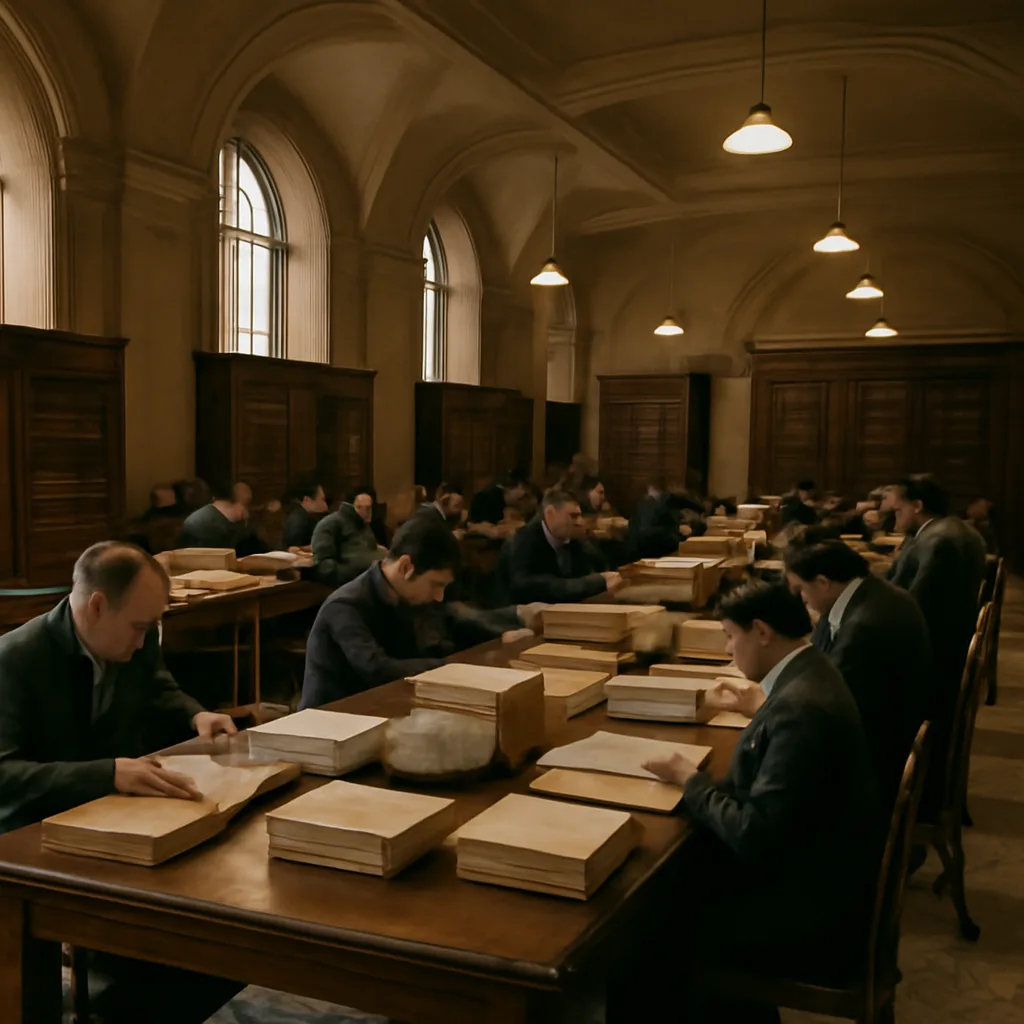
Archivists’ reading room at the Vatican Archives with rows of wooden tables, stacks of bound archival boxes and open documents under soft light, evoking a mid-20th-century records repository.

On 20 February 2020 the Vatican made millions of documents from Pope Pius XII’s papacy available to historians, granting access to its Second World War-era archives and prompting international scholarly review and renewed debate over the pope’s wartime conduct.


On 20 February 2020 the Vatican opened the archival records from the pontificate of Pope Pius XII (1939–1958) to qualified historians for in-person consultation at the Vatican Apostolic Archives. The release covered a crucial period that includes the Second World War, and it made available diplomatic correspondence, internal memoranda, reports from nuncios, and files related to Catholic institutions and individuals during the conflict.

Background
The Vatican’s decision followed a long-standing demand from historians and Jewish organizations for access to primary sources relating to the Holy See’s actions and policies during the Holocaust. Until the 2020 opening, scholars had worked with scattered documents, microfilm, and partial collections released over decades. The newly available fonds are intended to allow more systematic, evidence-based study of papal decisions, Vatican diplomacy, and the Church’s relationship with Axis and Allied powers.

Scope and access
The opened records pertain specifically to the pontificate of Pius XII and include material produced by the Secretariat of State, the Secretariat of Non-Christians (later the Commission for Jewish Relations), nuncios’ dispatches, and other curial offices. The Vatican imposed standard archival rules: access is granted to qualified researchers who consult documents on-site; reproduction and publication rules follow the Archives’ regulations. Some files may be subject to redaction or delayed release due to privacy or diplomatic sensitivities, a common archival practice.

Scholarly implications
Historians anticipated that systematic examination of these records would clarify contested questions: the extent and nature of Pius XII’s public and private responses to Nazi persecution, the Vatican’s diplomatic maneuvers, and the actions of Catholic clergy and institutions across Europe. Early research has been expected to refine or revise existing interpretations rather than produce immediate, definitive judgments. Because archives require time-consuming examination, meaningful scholarly consensus would likely develop over years as specialists publish monographs and articles based on primary sources.

Public reaction and debate
The opening prompted a wide range of responses. Some Jewish groups and scholars saw it as a necessary step toward historical clarity and accountability. Supporters of Pius XII’s legacy emphasized the need to assess documents in context and warned against rushing to judgment. The move also intersected with processes within the Church itself: Pius XII’s beatification cause and broader discussions about papal responsibility during wartime became focal points for renewed attention, though archival research was not itself a juridical proceeding.

Limitations and cautions
A number of caveats accompany the release. Not all relevant records are housed in the Vatican archives; national, diocesan, and private archives contain complementary materials. Some Vatican documents may be illegible, incomplete, or produced for diplomatic rather than historical clarity. Scholars must therefore triangulate Vatican files with other sources—government archives, contemporary press, personal papers, and testimonial records—to build robust narratives. Additionally, the Archives’ rules allow for restricted access in certain circumstances, meaning some materials might remain closed for a period.

Outlook
The 2020 opening represented a significant enlargement of the primary evidence available to historians studying the Vatican’s wartime role. It is likely to generate a sustained wave of scholarship that will deepen understanding of the Catholic Church’s institutional behavior during World War II and its interactions with Nazi and Allied authorities. Over time, careful, document-based research should help clarify contested claims about Pope Pius XII’s actions and offer a more nuanced picture of Vatican decision-making in a period of global crisis.

Share this

Email Share on X Facebook Reddit

Did this surprise you?