
← Back
08/24/1968 • 5 views

France Conducts Nuclear Test in the Pacific, August 24, 1968
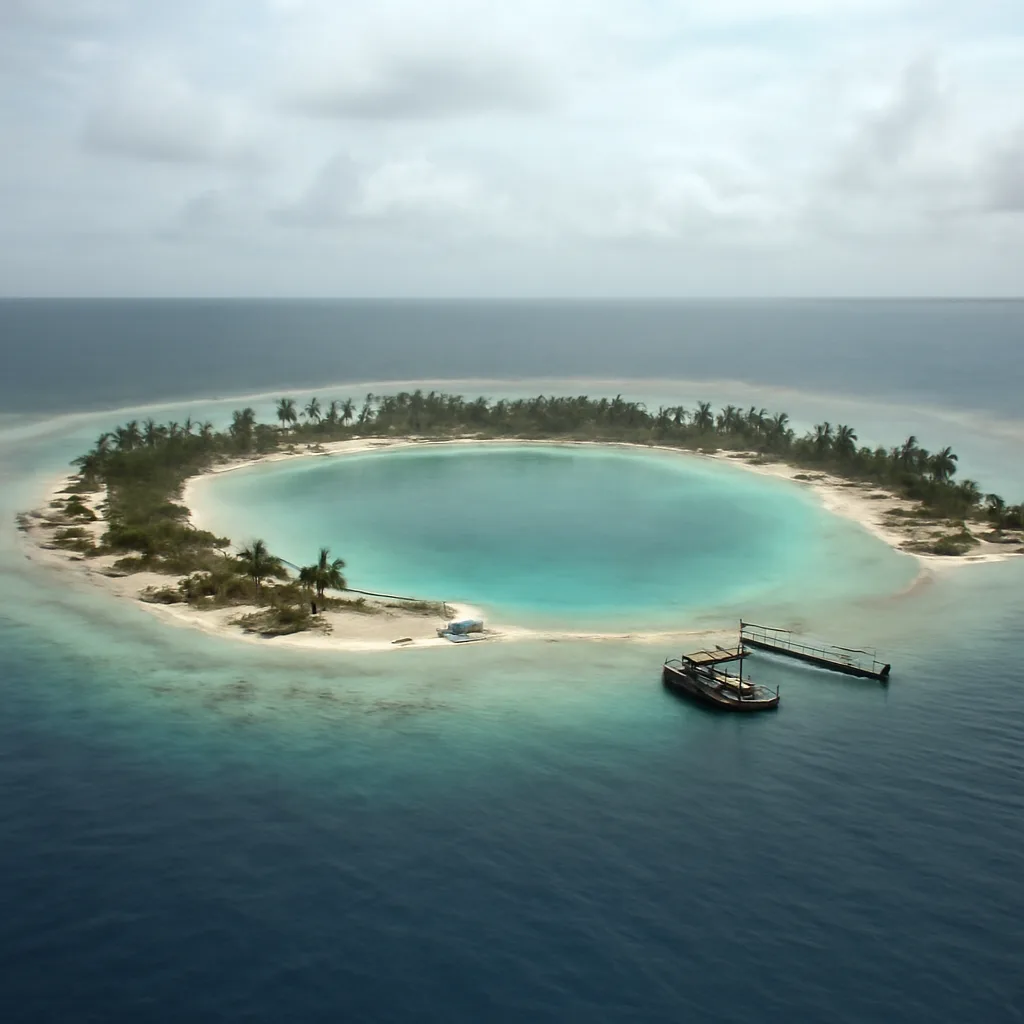
Aerial view of Fangataufa atoll in the Tuamotu archipelago: low coral islets encircling a central lagoon under a partly cloudy sky, circa 1960s.

On August 24, 1968, France detonated a nuclear device at the Fangataufa atoll in the Tuamotu archipelago, continuing its series of atmospheric tests in French Polynesia amid international criticism and local concern.


On August 24, 1968, France carried out a nuclear detonation at the Fangataufa atoll in the Tuamotu archipelago of French Polynesia. The test was part of France’s independent nuclear weapons program, which conducted both atmospheric and underground detonations in the Pacific from 1966 until 1996. Fangataufa, along with the nearby Mururoa atoll, served as the principal test sites after France moved testing from the Algerian Sahara following Algerian independence.

The 1968 detonation occurred during a period of sustained French atmospheric testing in the Pacific. These tests were intended to validate warhead designs and gather data on explosive yield and radiological effects. France’s program was politically contentious: it provoked protests from Pacific islanders, anti-nuclear activists, and several foreign governments concerned about radioactive fallout and environmental impacts. The French government maintained that tests were necessary for national defense and sought to control information released about yields and contamination levels.

Operationally, tests in the Fangataufa lagoon were carried out from ships and platforms, with instrumentation to measure blast pressure, seismic signals, and radiological outputs. Local populations in French Polynesia were subject to evacuations or restrictions at times, and fishing zones were periodically closed. Reports distributed later by activists, health researchers, and governments raised concerns about long-term health and environmental consequences for people in the region and for military and civilian personnel involved in test operations. French official accounts and independent analyses have at times disagreed over the extent and causes of observed health effects and contamination patterns.

International reaction to French Pacific testing was mixed but frequently critical. Neighboring Pacific nations, non-nuclear states, and anti-nuclear movements repeatedly called for a halt to atmospheric tests and for greater transparency. Over time, international pressure and evolving technical practices led France to shift from atmospheric testing to underground detonations in 1974 and ultimately to a moratorium and cessation of testing in the 1990s. In 1996 France signed and later ratified the Comprehensive Nuclear-Test-Ban Treaty (CTBT) in 1996 (it signed the treaty in 1996 and later ratified protocols relating to non-proliferation), though debates about historical accountability and remediation in French Polynesia have continued.

Historical assessments of France’s Pacific tests consider strategic motives, technological needs, and the environmental and social consequences. Scholars and investigators emphasize that data-gathering during this era occurred under secrecy and national-security classifications, complicating retrospective evaluations. The August 24, 1968 detonation is one of many tests in a decades-long program whose legacy remains a subject of scientific study, political debate, and calls for recognition and compensation by affected communities.

Share this

Email Share on X Facebook Reddit

Did this surprise you?