
12/12/2001 • 5 views
Enron Executives Testify Before Congress as Scandal Unfolds
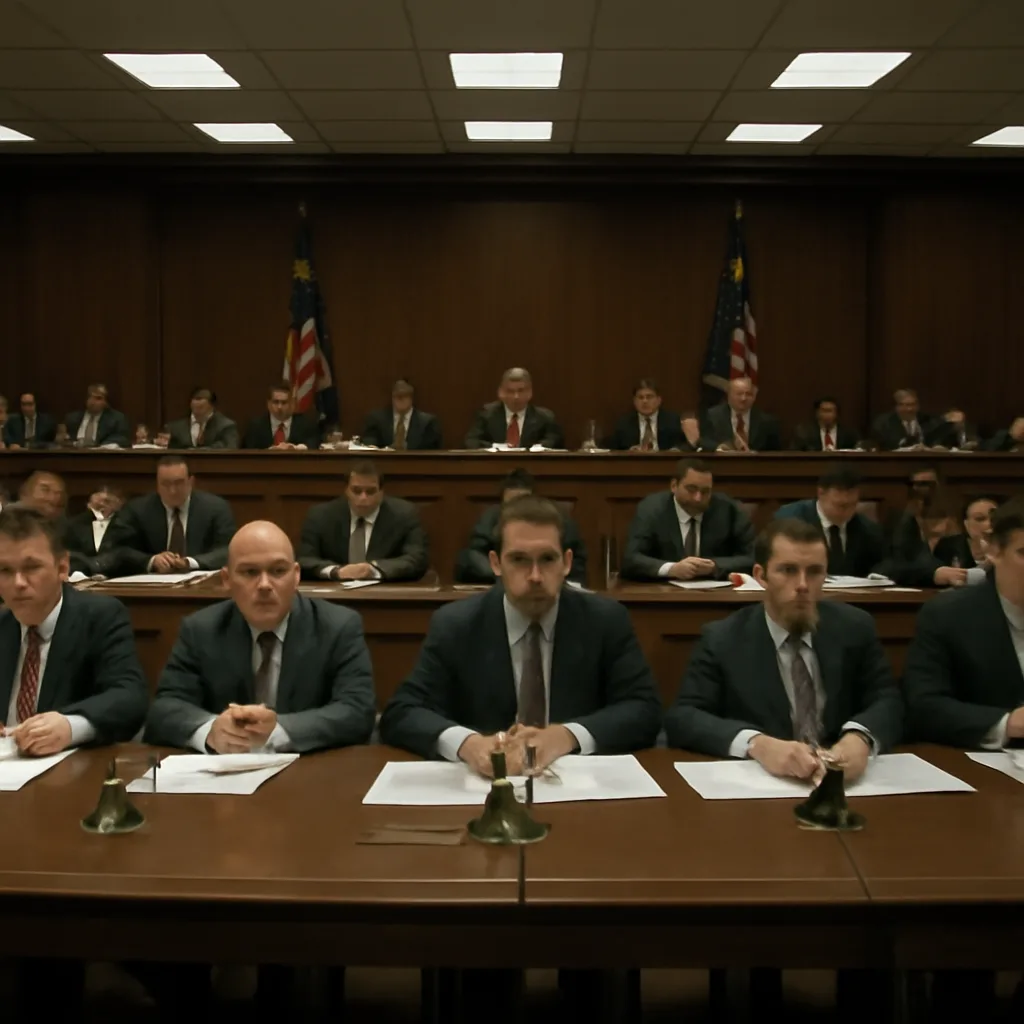
Top Enron executives appeared before Congress on December 12, 2001, testifying about the company’s collapse amid investigations into accounting practices and corporate governance failures that led to investigations and criminal probes.
Congressional leaders convened hearings to explore several central issues: the role of Enron’s executives and board in approving complex off-balance-sheet entities, the adequacy of disclosures to shareholders and employees (many of whom held company stock in retirement plans that lost much of their value), and whether auditors and regulators failed to detect or act on warning signs. Testimony sought to clarify how limited partnerships and special purpose entities were used to hide debt and inflate reported earnings, and to examine the relationship between Enron and its accounting firm, which faced scrutiny for both audit practices and consulting work.
The atmosphere in the hearing rooms was sharply focused on accountability. Members of Congress questioned executives about timelines of key transactions, internal controls, executive compensation and stock sales, and the extent to which senior management was aware of or directed accounting maneuvers. Lawmakers also raised concerns about conflicts of interest involving financial institutions and advisers that structured the vehicles used in Enron’s financial reporting.
The hearings paralleled criminal and civil investigations by the U.S. Department of Justice, the Securities and Exchange Commission (SEC), and state prosecutors. Enron’s bankruptcy had triggered inquiries into potential securities fraud, obstruction of justice, and other violations. In the months that followed, federal prosecutors pursued multiple indictments and convictions against former Enron executives and affiliated finance professionals.
Beyond legal accountability, the hearings highlighted broader regulatory and policy questions. Policymakers debated whether accounting standards, corporate governance rules, and oversight of auditors were sufficient to protect investors and the public. The unfolding events helped propel legislative and regulatory responses in subsequent years aimed at strengthening financial reporting, auditor independence, and board oversight—reforms that were later embodied in measures such as the Sarbanes-Oxley Act of 2002.
Public reaction to the hearings reflected anger and anxiety. Enron employees and retirees who had lost retirement savings or jobs attended some sessions or followed proceedings closely, and shareholders and pension beneficiaries sought explanations and remedies. The hearings also intensified scrutiny of the role of financial analysts, credit rating agencies, and investment banks in enabling or failing to warn about the company’s opaque financial condition.
While testimony provided fragments of explanation about specific transactions and decisions, many details remained subject to investigation and later legal proceedings. The December 12 hearings were an early chapter in a broader process of fact-finding, litigation, and reform that continued for years, as investigators probed internal documents, interviewed witnesses, and pursued charges where sufficient evidence was found.
The Enron hearings on December 12, 2001, therefore served both as a public accounting of a corporate collapse and as a catalyst for examination of systemic weaknesses in corporate oversight and financial regulation. Their legacy shaped debates about transparency, accountability, and the protections afforded to investors and employees in publicly traded companies.