
12/12/2001 • 6 views
Referee Mistakenly Ejects Wrong Player, Declines to Reverse Call
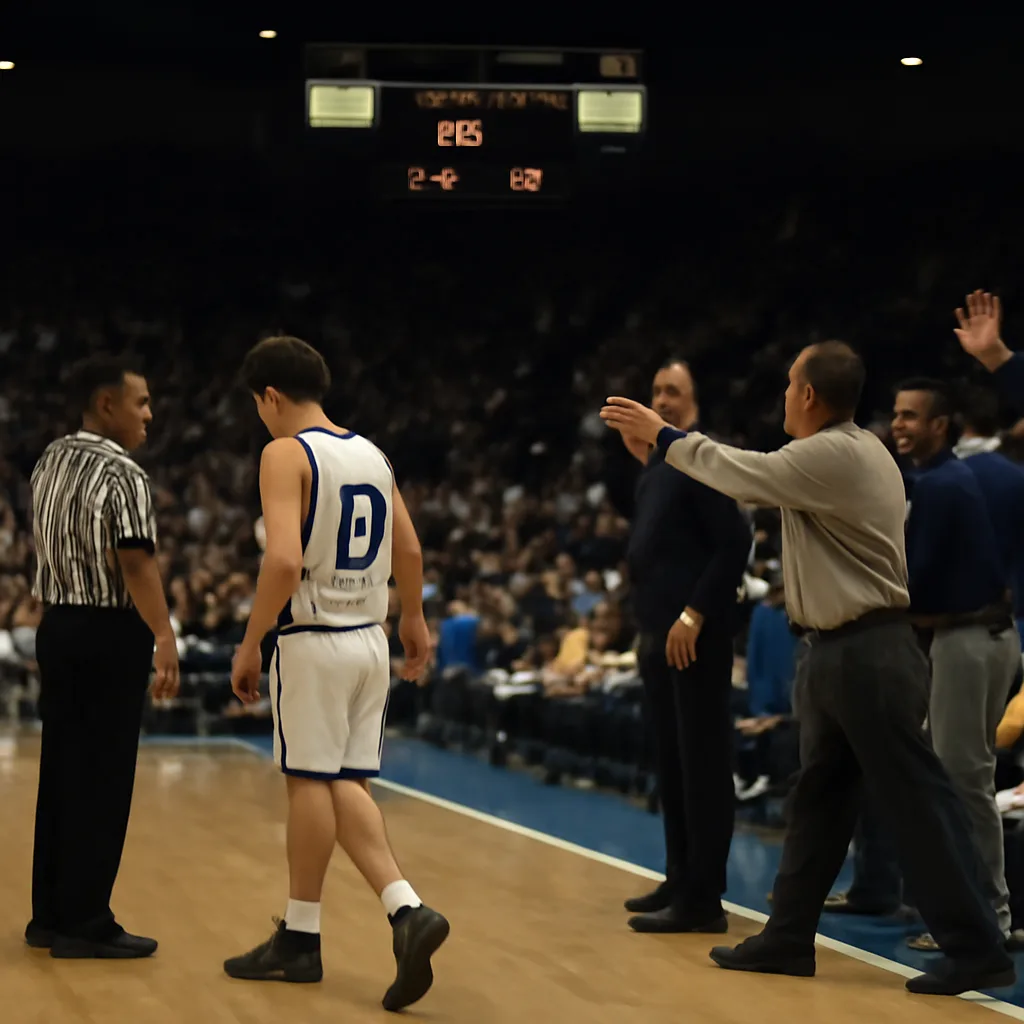
During a December 12, 2001 basketball game, an official ejected the wrong player after a confrontation and refused to rescind the decision despite team protests, sparking debate about officiating protocols and accountability.
According to contemporaneous reports and game accounts, tensions rose during the contest after a physical play. An official approached and announced an ejection, but the player sent from the game was not the individual most observers later identified as having instigated the incident. Team staff immediately protested the removal, arguing the wrong player had been penalized. The referee maintained the call and the ejected player left the court, forcing the affected team to continue shorthanded for the remainder of the period unless league or game officials later intervened.
Postgame reactions focused on three related issues: identification under pressure, the chain of command for correcting on-court errors, and transparency in officiating. Identification errors can occur in fast-moving situations, particularly when players have similar appearances, numbers are obscured by motion or jerseys, or noise and confusion impede communication. Professional and amateur leagues maintain protocols for officials’ crews to consult among themselves, but those protocols rely on real-time judgment and, at the time of this 2001 incident, did not universally include technological review mechanisms such as video review for ejections.
Procedural recourse varies by level of play. Some leagues permit immediate consultation among the crew and correction before play resumes; others allow coaches to file postgame protests or appeals to league offices. In this case, the referee’s refusal to reverse the decision during the game left the team with limited immediate options. Whether the league later reviewed the incident or imposed sanctions on the official or remedies for the team depends on the specific league’s disciplinary procedures and any formal complaints filed by the team. Contemporary news coverage emphasized frustration from coaches and players and called for clearer protocols.
The episode illustrates broader questions about accountability and trust in officiating. When mistakes affect competitive balance, teams and fans expect transparent mechanisms to correct erroneous calls. Since 2001, many basketball organizations have expanded use of replay and clarified communication among officiating crews and with team staff; however, the availability of such measures still differs across competition levels. Incidents like the December 12, 2001 ejection contributed to ongoing discussions about whether and how to implement safeguards that reduce the likelihood of ejecting the wrong participant and improve avenues for correction when errors occur.
This summary is based on contemporaneous reporting and standard practices in basketball officiating. Specific details about any league response, appeals, or disciplinary outcomes for this particular December 12, 2001 incident are not universally documented in public sources and may vary by jurisdiction.