
08/24/1989 • 5 views
Ted Bundy Executed in Florida Electric Chair, Aug. 24, 1989
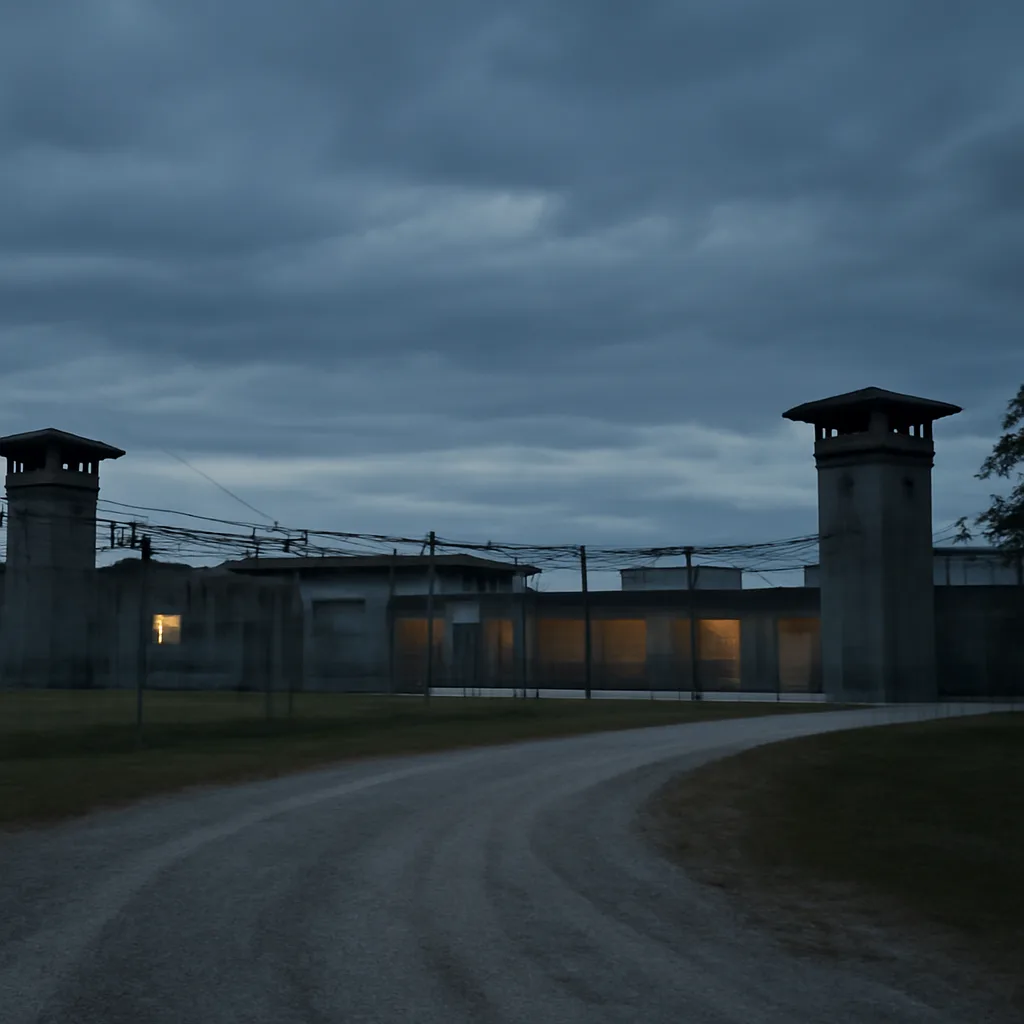
Serial killer Ted Bundy was executed by electrocution at Florida State Prison on August 24, 1989, ending a high-profile legal saga that spanned a decade of trials and appeals for murders across several states.
Bundy (born Theodore Robert Cowell, later Theodore Robert Bundy) had been convicted in Florida for the murders of several young women, including those whose remains were found at Chi Omega sorority house in Gainesville, Florida, in 1978. He had previously been linked to murders and disappearances across multiple states and had escaped custody twice in 1977 before being recaptured. After a series of trials in different jurisdictions, Bundy received multiple death sentences; the convictions that led to his execution were for the 1978 Florida murders.
Following his 1979 conviction for the Gainesville murders and subsequent sentencing, Bundy’s case produced extensive appeals and repeated stays of execution. Over the 1980s he gave a number of media interviews and confessions to some, but not all, of the crimes investigators attributed to him. In the months prior to his execution he provided law enforcement with information that led to the location of additional victims’ remains in Washington state, a development investigators and some victims’ families saw as offering partial closure.
On August 24, 1989, after the courts exhausted his appeals and the governor of Florida denied clemency, Bundy was executed in the electric chair, the method then authorized by Florida. Witnesses included media representatives, officials, and a small group of victims’ relatives and others. His death drew wide media coverage and renewed public debate about capital punishment, criminal profiling and how law enforcement agencies across states share information in multi-jurisdictional cases.
Bundy’s crimes and the publicity surrounding his trials had a lasting impact on criminal investigations, victim advocacy, forensic procedures and popular understanding of serial offenders. His case highlighted investigative challenges when suspects operate across state lines and influenced later developments in coordinating databases and forensic methods. Discussions about Bundy also continue to touch on the ethics of media attention for violent criminals and the impact of sensational coverage on victims’ families.
Though Bundy confessed to more murders late in his life, the total number of his victims remains a subject of investigation and dispute; various sources have attributed differing totals based on confirmed convictions, confessed crimes and suspected links. Historical records, court documents and investigative reports from the period remain the primary sources for detailed information about the crimes, trials and legal decisions that culminated in his 1989 execution.