
08/24/1887 • 5 views
19th-Century Baseball Player Killed by Lightning During Game
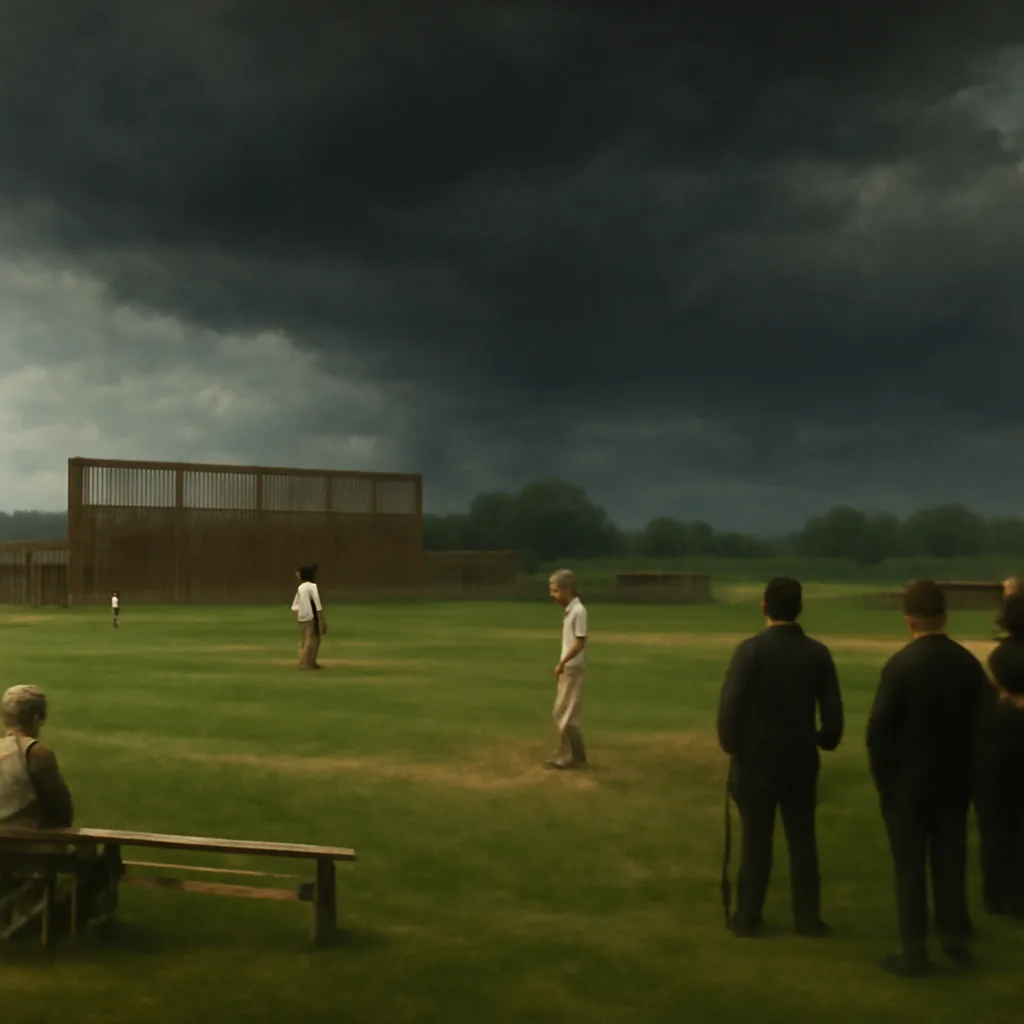
On August 24, 1887, a baseball player collapsed and died after being struck by lightning during a game—an event reported in contemporary newspapers and reflecting the era's limited weather safety for outdoor sports.
The late 1800s saw the rapid growth of baseball as a popular organized spectator sport in the United States, with many games played on rudimentary fields and with sparse infrastructure. Spectator stands, clubhouses and rudimentary warnings existed in some locations, but there was no comprehensive system of weather forecasting available to athletic organizers or the general public comparable to modern meteorological services. Lightning safety practices—such as seeking immediate shelter indoors or suspending play at the first sign of an approaching storm—were not widely codified for athletic events.
Contemporary newspaper reports of the 1887 incident typically focused on the dramatic nature of the event and its impact on players and spectators. Reporting standards of the period varied, and details (such as the player’s name, team affiliation, or exact circumstances) can differ between sources or be sparse in surviving articles. Some later summaries of baseball tragedies include this event among other weather-related fatalities in outdoor sports during the 19th century, but researchers note that precise documentation is sometimes incomplete.
Historical context helps explain why such tragedies occurred. Lightning strikes are concentrated in particular regions and seasons; late summer thunderstorms are common in many parts of North America. In 1887, without reliable, rapid weather alerts and with many games scheduled as public events, participants and spectators were vulnerable to sudden severe weather. The incident underscores how developments in meteorology, public-safety standards and athletic governance over the following decades reduced—but did not eliminate—the risk of weather-related fatalities at sporting events.
Because primary-source reporting from 1887 can be inconsistent, modern accounts of this event caution against overclaiming specific, unverifiable details. Where newspapers of the time differ or omit identifying information, historians and sports researchers note the occurrence while acknowledging gaps in the record. This measured approach preserves the documented fact of a lightning fatality at a baseball game on August 24, 1887, while recognizing the limitations of surviving documentation.
The event is sometimes cited in broader historical discussions about the evolution of safety measures in organized sports—illustrating how catastrophic, unexpected incidents contributed to later changes in how and when outdoor events were suspended for severe weather. It also serves as a reminder of the hazards faced by 19th-century athletes and spectators and the role of improved forecasting and institutional policies in reducing those risks over time.