
← Back
07/05/1962 • 4 views

Cold War Tensions Spike After Soviet Nuclear Tests
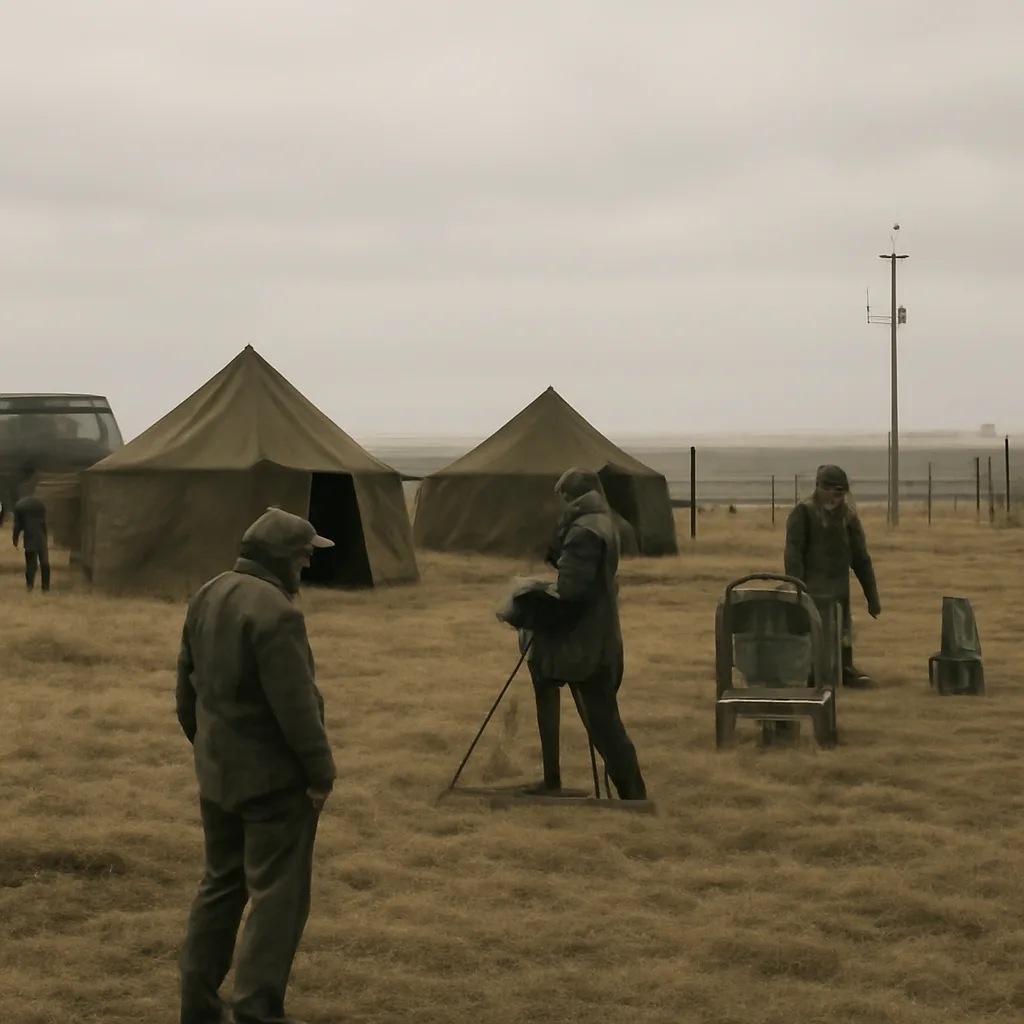
Cold War-era scene showing military technicians with monitoring equipment and a distant, clouded sky above a fenced test site; 1960s-era vehicles and structures visible, no identifiable faces.

On July 5, 1962, reports of recent Soviet nuclear tests intensified Cold War anxieties, prompting renewed diplomatic protests and strategic reassessments in Washington and allied capitals amid fears of an accelerating arms race.


On July 5, 1962, news that the Soviet Union had conducted a series of nuclear tests exacerbated already high Cold War tensions. The tests occurred against a backdrop of intense superpower rivalry in which nuclear weapons development and demonstration were central instruments of national security policy and international signaling.

Context
By 1962 the United States and the Soviet Union had each conducted hundreds of nuclear detonations since 1945. Both sides were pursuing advances in warhead yield, delivery systems (including intercontinental ballistic missiles and submarine-launched ballistic missiles), and atmospheric, underground and high-altitude test techniques. Public concern about fallout and the environmental and human costs of atmospheric testing was growing worldwide, while military planners on both sides placed a premium on demonstrating credible deterrent capabilities.

The Tests
Details about the specific devices and yields in the July 1962 Soviet program were tightly controlled by Soviet authorities. Western governments, intelligence agencies and press outlets relied on monitoring data, diplomatic channels and expert analysis to estimate the scale and purpose of the tests. Contemporary reports emphasized that the tests formed part of a stepped-up Soviet testing schedule earlier in 1962 that Western analysts took as evidence the USSR sought to validate new weapon designs and delivery concepts.

International Reaction
Washington and NATO allies registered formal protests and called for explanations. U.S. officials publicly reaffirmed American commitments to deterrence and accelerated diplomatic efforts to bind allied responses. Parliamentary debates and press coverage in Western democracies reflected public unease about further nuclearization and renewed calls for arms control. The tests also influenced policymaking by reinforcing arguments within U.S. defense and intelligence communities for bolstering missile defenses, improving early-warning systems, and maintaining a robust strategic posture.

Arms Control Implications
Incidents such as the July 1962 tests contributed to momentum for arms control negotiations, even as they sharpened mistrust. By highlighting the dangers of an unrestricted testing spree, these events helped solidify support—among scientists, activists and some policymakers—for measures to limit nuclear testing. Within two years, international diplomacy would yield the Partial Test Ban Treaty (signed in 1963), which prohibited nuclear tests in the atmosphere, outer space and underwater, though it did not ban underground testing.

Regional and Global Effects
Beyond superpower capitals, the tests affected nonaligned and allied states' perceptions of security. Some governments intensified stockpiling or sought stronger security guarantees, while others amplified calls for disarmament and international controls. The tests also intersected with other Cold War flashpoints of 1962, a year that would culminate in the Cuban Missile Crisis in October, underscoring how nuclear developments and strategic brinkmanship could rapidly escalate international crises.

Historical Assessment
Historians view the 1962 Soviet test series and the broader testing competition as emblematic of a phase in which technological advances and geopolitical signaling reinforced a dangerous security dilemma: each side’s efforts to enhance its security compelled reciprocal measures by the other. While precise technical details of specific tests were often uncertain at the time and remain the subject of scholarly reconstruction, the political effects are well documented: renewed diplomatic strain, intensified arms planning, and a strengthened impetus for negotiated limits on testing.

Uncertainties and Sources
Contemporary public reporting and later declassified materials provide the basis for understanding the July 1962 tests, but exact yields, device designs and some targeting intents were not publicly confirmed by Soviet authorities and are partially reconstructed from intelligence estimates and archival research. Where specifics remain disputed among specialists, the broader diplomatic and strategic consequences described here are supported by governmental records, press accounts and subsequent historical studies.

Share this

Email Share on X Facebook Reddit

Did this surprise you?