
07/05/1962 • 5 views
Fatal Border Shootings at the Berlin Wall Ignite International Outcry
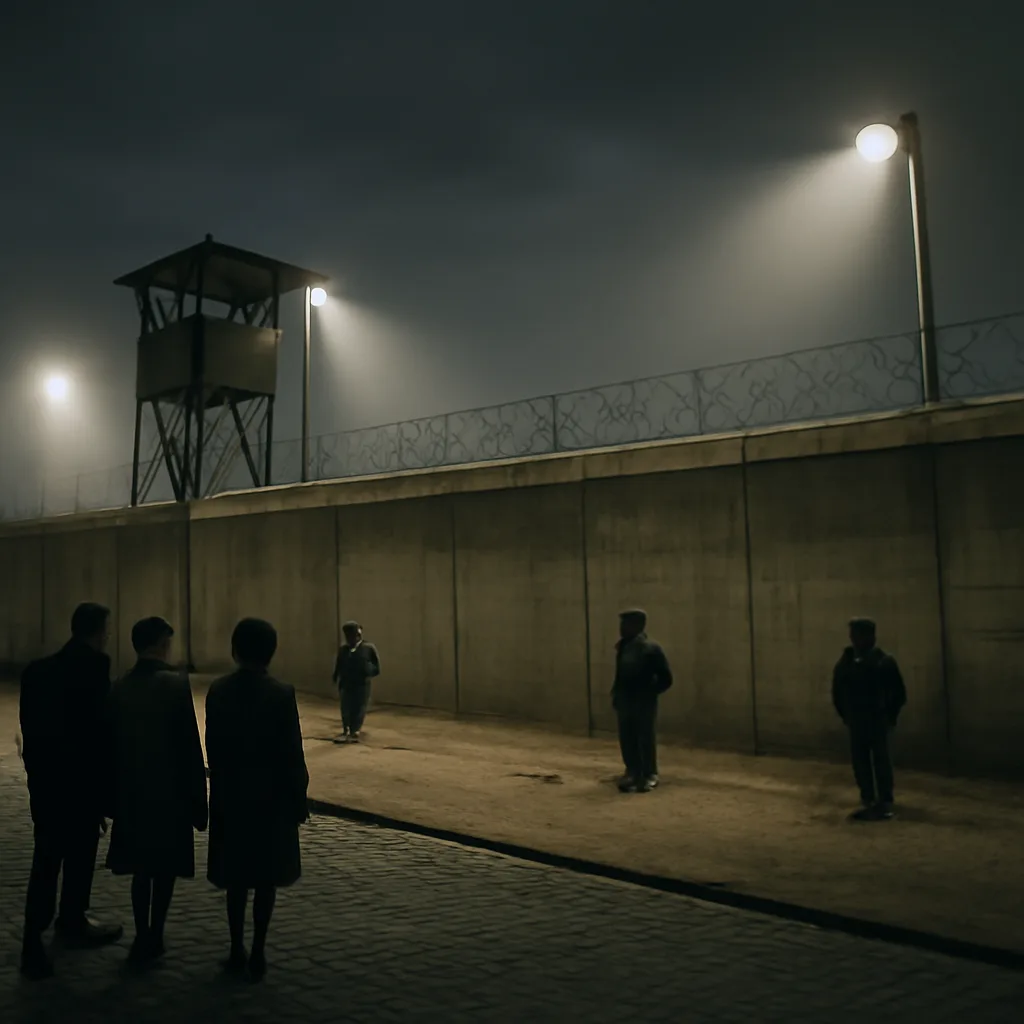
On 5 July 1962, East German border guards shot and killed several would-be defectors at the Berlin Wall, prompting protests and condemnation from Western governments and human rights advocates who decried the lethal use of force at the inner-German frontier.
Background
The Berlin Wall, first erected on 13 August 1961 by the German Democratic Republic (GDR), severed families and curtailed emigration from East to West. By mid-1962 the Wall and the fortified inner-German border had become symbols of the ideological and physical division of Europe. East German authorities maintained strict shoot-to-kill orders at many border sectors; West German and Western officials repeatedly protested these orders as violations of human rights.
The 5 July incidents
On 5 July 1962 multiple attempts to cross the border ended in fatalities after East German border guards opened fire. Contemporary West German and Western press reports described several victims shot while trying to reach West Berlin. Exact casualty counts and the circumstances of each individual case were subject to differing accounts and incomplete information, complicated by restrictions on reporting and access imposed by East German authorities. Western governments and human rights organizations quickly condemned the killings and called for inquiries.
International reaction
The shootings drew sharp criticism from West Germany, NATO members and other Western governments. Officials characterized the use of lethal force against fleeing civilians as unacceptable and demanded explanations and accountability. The incidents were used in Western diplomatic and public messaging to underscore the harshness of GDR border policies and to mobilize international opinion against the regime’s restrictions on movement.
East German response and limits on information
The GDR government defended its border regime as necessary to prevent illegal crossings and protect state borders, framing defections as acts that threatened socialist stability. East German authorities tightly controlled information: access to border sites was restricted, state media published terse official accounts, and independent verification of many details was difficult. Historians noting the events caution that exact particulars—such as the precise number of victims on that specific date or the sequence of actions at particular locations—are sometimes disputed or remain incompletely documented because primary sources are uneven.
Aftermath and historical significance
The 5 July 1962 shootings contributed to growing international unease about the human cost of the Berlin Wall and reinforced West German and allied efforts to raise the issue in diplomatic forums. Over subsequent years the Wall remained a focal point for Cold War tensions and for human-rights advocacy; many victims who died trying to cross were later memorialized in West Berlin and in reunified Germany. The incidents of 1962 are part of a larger pattern of border fatalities that scholars have documented when assessing the GDR’s emigration policies and the enforcement practices of its border troops.
Legacy
Historical research into border shootings combines official records, eyewitness testimony, contemporary press reports and later archival disclosures. Where specific details from July 1962 are unclear or contested, historians note those uncertainties and rely on multiple source types to reconstruct events. The deaths of people shot at the Berlin Wall remain a potent reminder of the human consequences of Cold War divisions and the contested nature of sovereignty, security and human rights along heavily fortified frontiers.