
01/31/2016 • 4 views
Pro Cyclist Expelled After Hidden Motor Found in Race Bike
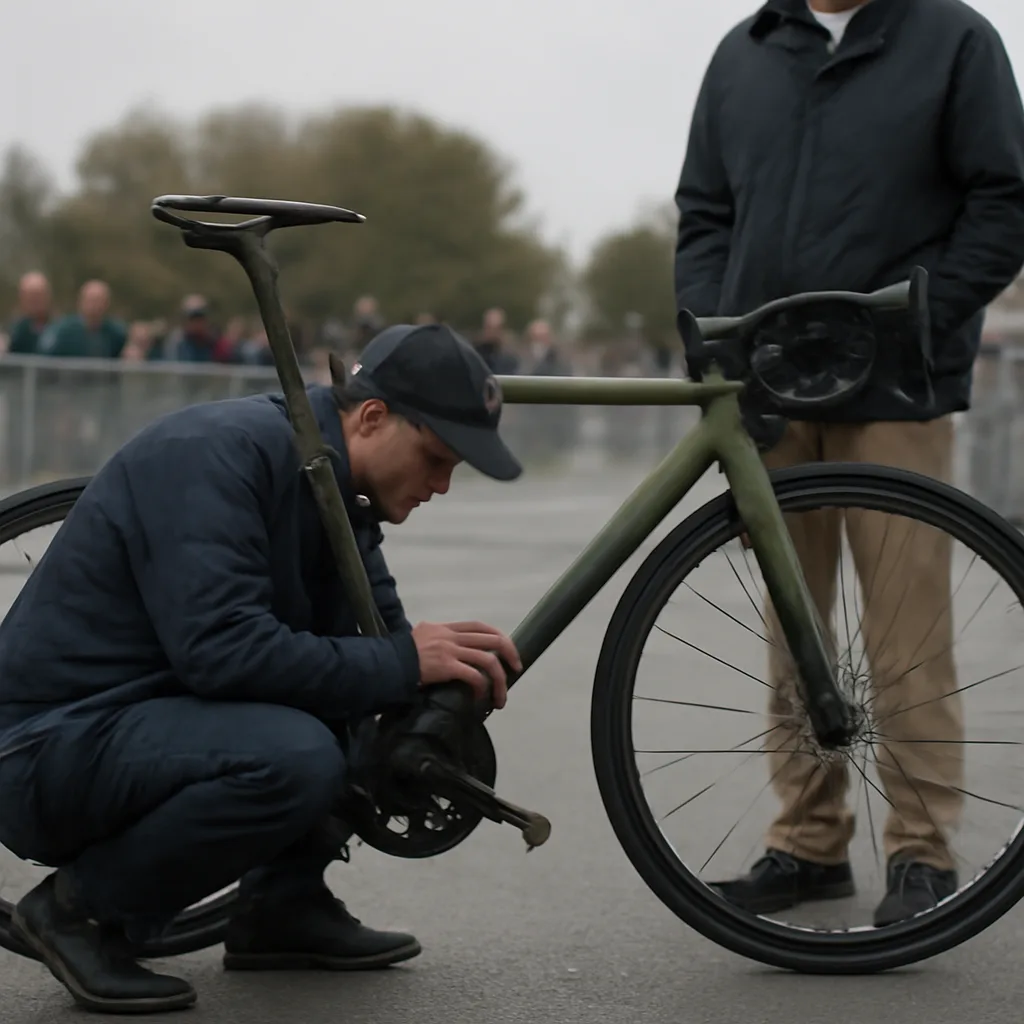
On 31 January 2016 a professional cyclist was disqualified after a hidden electric motor was discovered in his bicycle during a race, prompting wider probes into technological cheating in cycling.
The discovery came after officials inspected the rider’s bike during or immediately after competition and detected an anomalous device integrated into the frame or bottom bracket area. The presence of an electric motor — often small, brushless units that can be embedded in hubs, seat tubes or cranksets — is prohibited under cycling’s equipment regulations because it provides an unfair power boost to the rider.
Mechanical doping had been a rising worry for cycling authorities in the 2010s. Advances in miniaturized electrical components and battery technology made it possible to conceal motors in common bicycle structures. Prior to and after the January 2016 case, governing bodies such as the UCI (Union Cycliste Internationale) expanded technical controls and testing procedures, including thermal imaging, X-ray scans and physical inspections, to detect hidden motors.
Consequences for riders caught with a motor typically include immediate disqualification from the event, suspension, fines and potential damage to contracts and reputation. Teams can also face sanctions if they are shown to have been complicit or negligent. The 2016 incident contributed to efforts by organizers and the UCI to standardize detection protocols and increase random checks at major races.
Reactions from the cycling community emphasized both embarrassment and resolve. Fans and officials noted that the sport’s history of technological innovation made it imperative to balance legitimate equipment development with strict enforcement against devices that fundamentally alter athletic performance. Manufacturers, teams and race organizers subsequently cooperated more closely with regulators to ensure compliance and to help develop practical detection methods.
While high-profile cases of mechanical doping remain relatively rare compared with other forms of cheating, each confirmed incident has had an outsized effect on policy and public trust. The January 2016 discovery is often cited in discussions about equipment surveillance, the ethics of technological aid in sport, and the technical arms race between cheaters and regulators.
Because investigations and sanctions can involve confidential elements — including internal team inquiries, appeals to sporting tribunals, or legal steps — public accounts may vary in detail. What is widely documented is the broader outcome: heightened scrutiny of bicycle technology, investment in detection tools, and a reaffirmation by cycling authorities that the use of hidden motors is strictly banned and subject to severe penalties.