
11/08/1972 • 5 views
British Army raids nationalist areas in Northern Ireland amid wider security operation
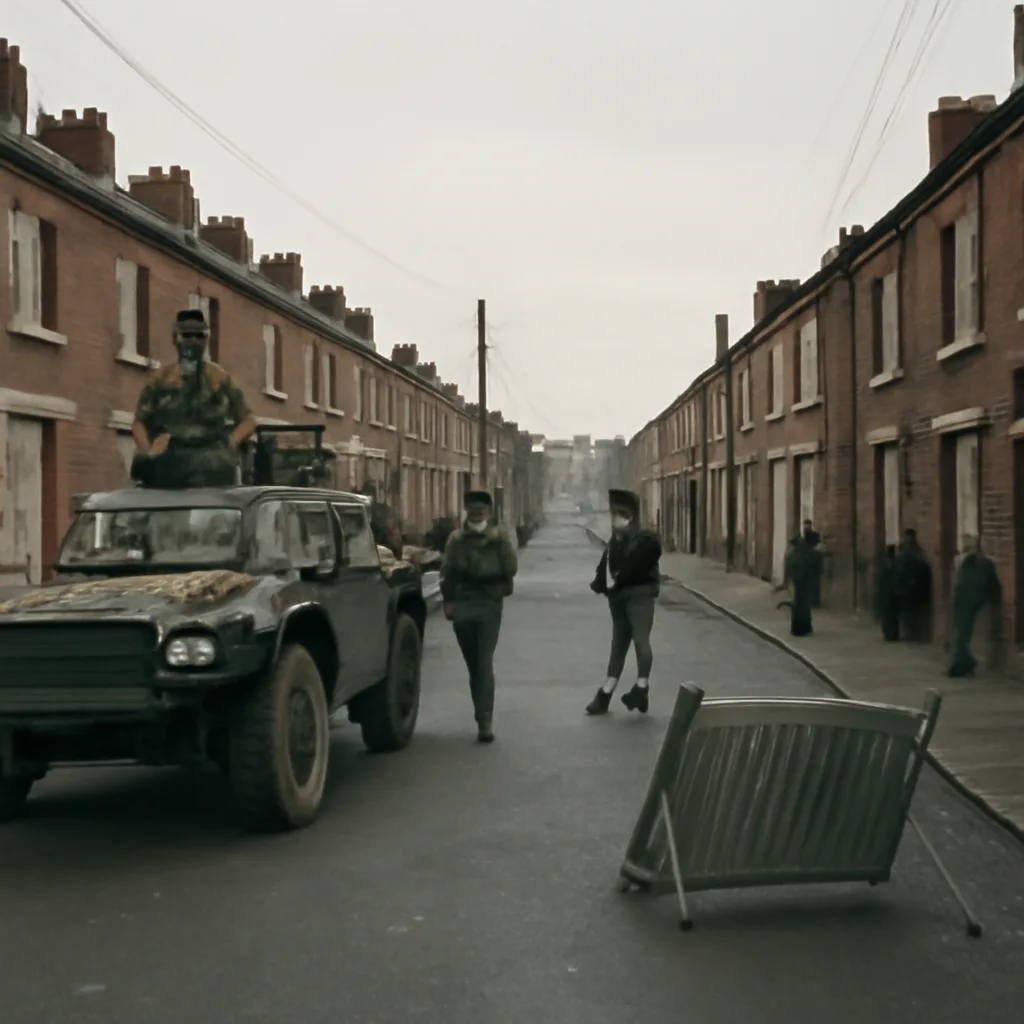
On 8 November 1972 British forces conducted raids in nationalist districts of Northern Ireland as part of intensified security measures during a period of heightened sectarian violence and political crisis following earlier incidents that year.
1972 had already seen major escalations: internment without trial, large-scale demonstrations, and deadly incidents including Bloody Sunday in January, which had deepened nationalist grievances and increased support for the IRA. In response, British authorities frequently mounted operations in nationalist districts they identified as active centres for republican activity. Raids could involve house searches at dawn, temporary curfews, and the use of armored vehicles and foot patrols. Military and Royal Ulster Constabulary (RUC) actions aimed to disrupt arms caches and arrest suspects but were often criticized for heavy-handed tactics and for the impact on civilians.
Eyewitness accounts from similar operations that year describe disruption to daily life: residents barred from leaving homes during searches, damage to property during forced entries, and short-term detentions. Such raids sometimes produced arms and explosives but also risked alienating broad swathes of the population when conducted without clear legal safeguards or when they resulted in civilian harm. Nationalist political leaders and community representatives commonly condemned sweeps perceived as collective punishment, while unionist leaders and security officials emphasized the necessity of robust measures to counter republican violence.
The security context in late 1972 combined a hardening military posture with a deteriorating political situation. Direct rule from Westminster had been imposed that March after the Stormont government collapsed, placing Northern Ireland under central UK administration and altering how security policy was directed. British military presence increased, and operations in working-class nationalist areas were a prominent feature of the security campaign. Internationally and domestically, criticism of tactics that affected civilians prompted debates about proportionality, intelligence quality, and oversight of security operations.
While raids were a tactical tool for disrupting paramilitary activity, their strategic effects were mixed. Where operations successfully interdicted arms or detained active operatives, they could degrade immediate capabilities. Conversely, poorly targeted or indiscriminate actions could strengthen recruitment narratives for paramilitary groups and intensify communal hostility. The cycle of raids, reprisals, and policing measures contributed to the prolonged character of the conflict throughout the 1970s.
Historical assessments emphasize the complexity of assessing any single raid’s effectiveness without detailed operational records. Contemporary reporting and later scholarship note patterns: security operations were frequent in nationalist enclaves, often based on intelligence that could be imperfect; military rules of engagement and legal frameworks evolved through the period; and community reactions ranged from cooperation to deep-seated opposition. The November 1972 raids fit into this larger pattern of intensive security activity during the Troubles, reflecting both the immediate imperatives of countering armed groups and the longer-term political and social consequences for communities in Northern Ireland.