
11/08/2016 • 4 views
Donald Trump Wins 2016 U.S. Presidential Election
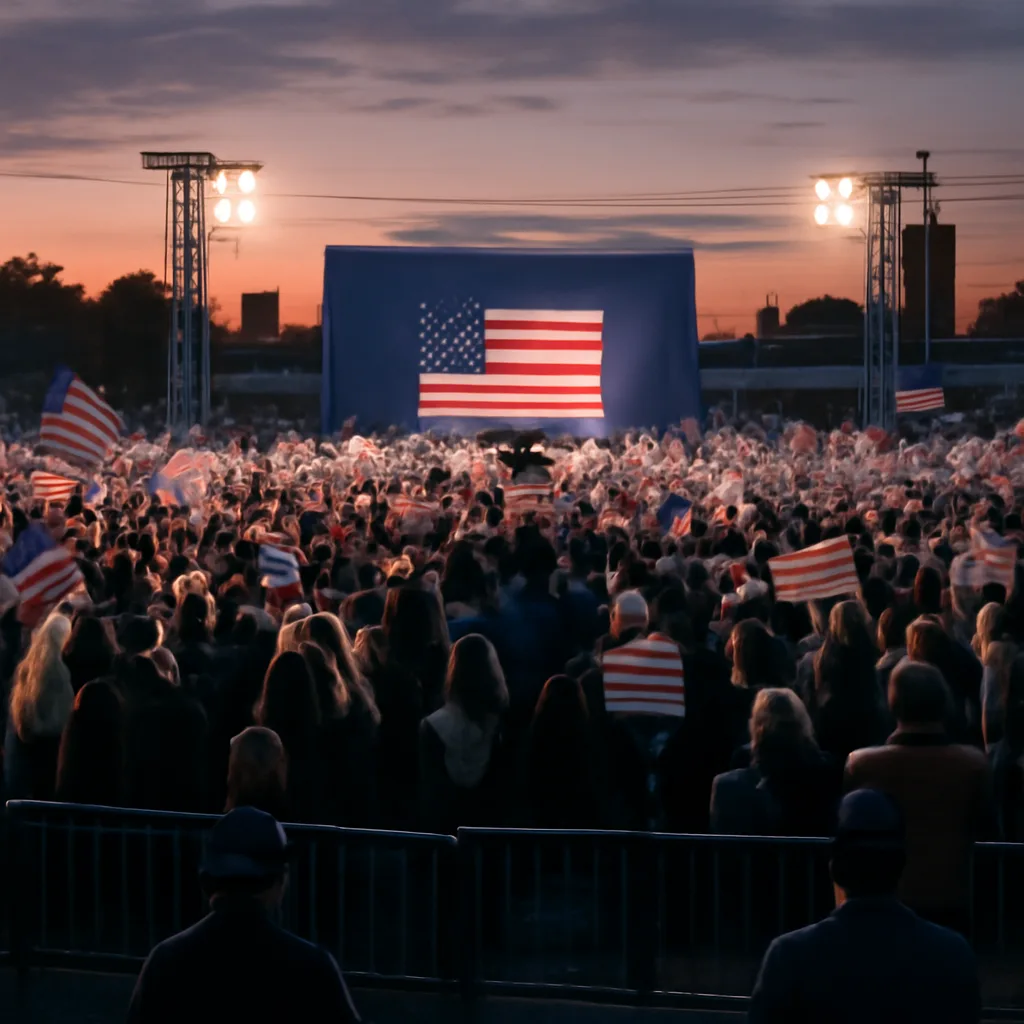
Republican businessman Donald J. Trump was elected the 45th President of the United States on November 8, 2016, defeating Democratic nominee Hillary Clinton in an Electoral College victory despite losing the popular vote.
Trump’s candidacy had defied many pre-election expectations. He ran on a platform emphasizing immigration restrictions, renegotiation of trade agreements, deregulation, tax cuts, and an “America First” approach to foreign policy. His campaign style was unconventional for modern presidential politics, relying heavily on large rallies, direct communication via social media, and an often combative relationship with the news media.
The 2016 election exposed deep regional and demographic divides. Trump performed strongly among white voters without a college degree, rural voters, and in industrial Rust Belt areas that had supported Democrats in previous cycles. Clinton maintained support among many urban voters, racial and ethnic minorities, and younger and college-educated constituencies. Voter turnout patterns, third-party voting, and shifts in turnout in key counties were widely analyzed as contributing factors.
The Electoral College outcome—Trump’s victory in states totaling at least 270 electoral votes—determined the result despite Clinton’s plurality in the nationwide popular vote. This divergence renewed public debate over the Electoral College’s role in U.S. presidential elections.
In the months after the election, the campaign and transition period became the subject of intense scrutiny and controversy. Investigations and reporting examined topics including Russian interference in the 2016 election, contacts between Trump campaign associates and foreign actors, and the actions of U.S. intelligence and law enforcement agencies. Some matters were investigated by congressional committees and by a special counsel. These inquiries produced multiple indictments, convictions, and public reports concerning aspects of campaign activity and foreign interference; assessments and interpretations varied across political and legal observers.
Trump’s victory marked a significant political realignment in several states and prompted extensive analysis of party coalitions, media ecosystems, and the influence of economic and cultural issues on voter behavior. The election’s outcome reshaped Republican and Democratic strategic thinking heading into the 2018 midterms and subsequent elections.
Donald Trump was inaugurated on January 20, 2017. His presidency produced substantial policy changes and further polarizing debates domestically and internationally, influencing U.S. politics well beyond the 2016 election cycle.