
05/30/1961 • 5 views
First successful cochlear implant test performed
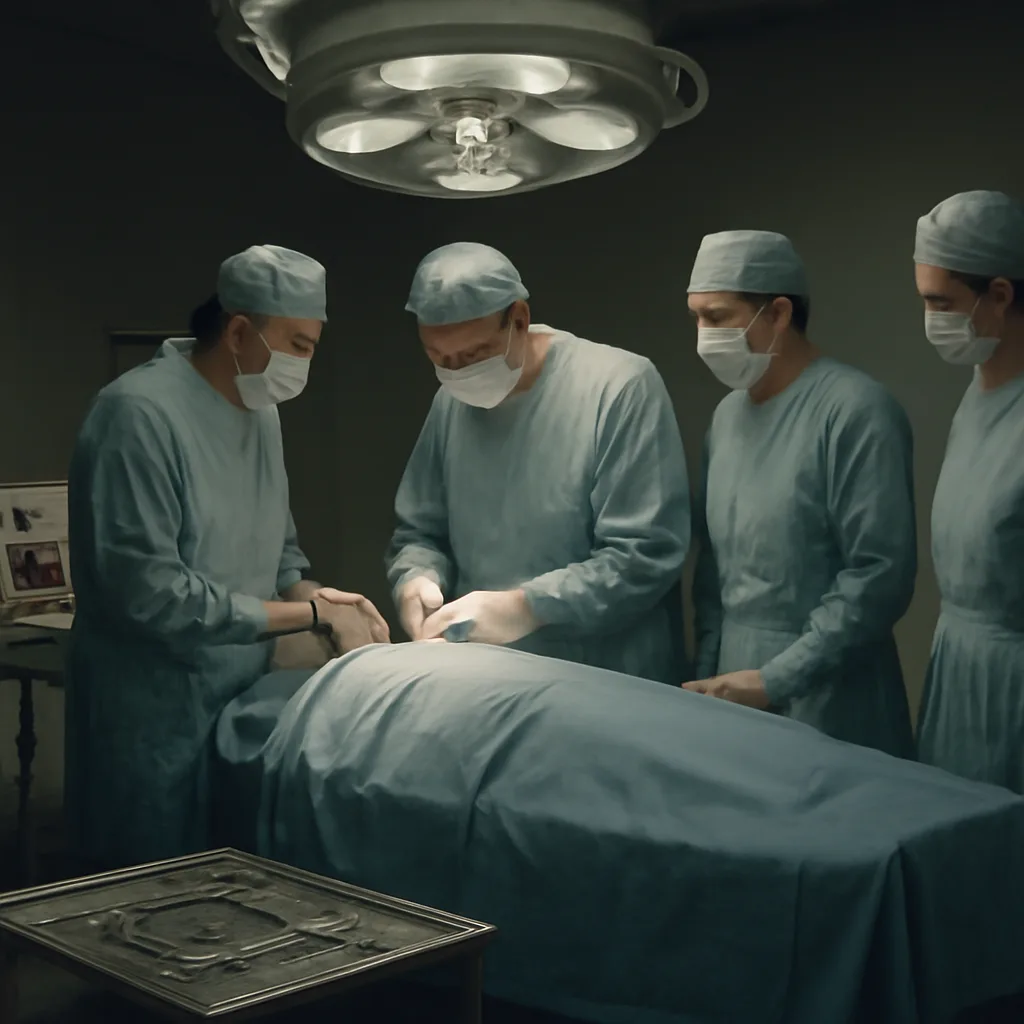
On May 30, 1961, surgeons reported the first successful experimental test of a cochlear implant—an early step toward restoring hearing by electrically stimulating the auditory nerve. The procedure marked a pivotal moment in auditory prosthetics research.
Background and context
By the mid-20th century, clinicians and researchers had long understood that cochlear hair cell damage could be bypassed in principle by direct electrical stimulation of the auditory nerve. Earlier laboratory work—dating back to the 18th and 19th centuries with basic observations about electrical stimulation of nerves, and more specifically mid-20th century animal experiments—showed that electrical currents applied to the cochlea or auditory nerve could evoke auditory sensations. Advances in microsurgery, electronics, and neurophysiology converged to make a human implant attempt technically feasible.
The 1961 procedure
The May 30, 1961 test is commonly cited in histories of cochlear implantation as the first reported human success in eliciting useful auditory percepts from an implanted device. Surgeons implanted an electrode into the cochlea of a person with profound hearing loss and used an external signal generator to deliver patterned electrical stimulation. The patient reportedly perceived sound sensations attributable to the implant, demonstrating that electrical stimulation could produce meaningful auditory experience rather than merely simple sensations or discomfort.
Significance and limitations
This early success was experimental and limited by the technology of the day. The implants used in 1961 were rudimentary by later standards: single or few electrodes, crude external processors, and surgical methods that carried significant risks. The percepts produced were not equivalent to normal hearing; instead they provided a degree of loudness or tonal sensation that could aid lipreading and environmental awareness. Nonetheless, the test proved a critical proof of concept: the auditory nerve could be driven electrically to produce intelligible auditory information when coupled with training and rehabilitation.
Aftermath and development
Following the 1961 test, research accelerated in surgical techniques, electrode design, signal processing, and patient selection. Subsequent decades saw iterative improvements: multichannel electrode arrays that could convey frequency-based information, better biocompatible materials, and speech-processing strategies developed in the 1970s and 1980s. These advances culminated in the clinical cochlear implants introduced commercially in the late 20th century that could provide speech understanding to many recipients.
Historiography and caution
Accounts of the ‘‘first’’ cochlear implant test can vary in detail and emphasis. Different sources highlight related early milestones—animal experiments, intraoperative electrical stimulation reports, and parallel efforts by multiple researchers internationally. While May 30, 1961 is cited for a notable human test, historians and clinicians note that progress was cumulative, involving many contributors across several countries and decades. Contemporary descriptions also caution that the early device produced limited auditory quality and that later developments were essential to turn the concept into widely effective clinical devices.
Legacy
The 1961 test stands as an important early proof of concept in the history of auditory prosthetics. It helped shift cochlear implantation from laboratory curiosity to a field of sustained clinical and engineering innovation. Today’s cochlear implants, which can enable speech perception and improved communication for many recipients, rest on a trajectory of incremental improvements that trace back to these early experimental steps.