
← Back
05/30/1940 • 7 views

NBC’s Early Television Service Goes Coast-to-Coast
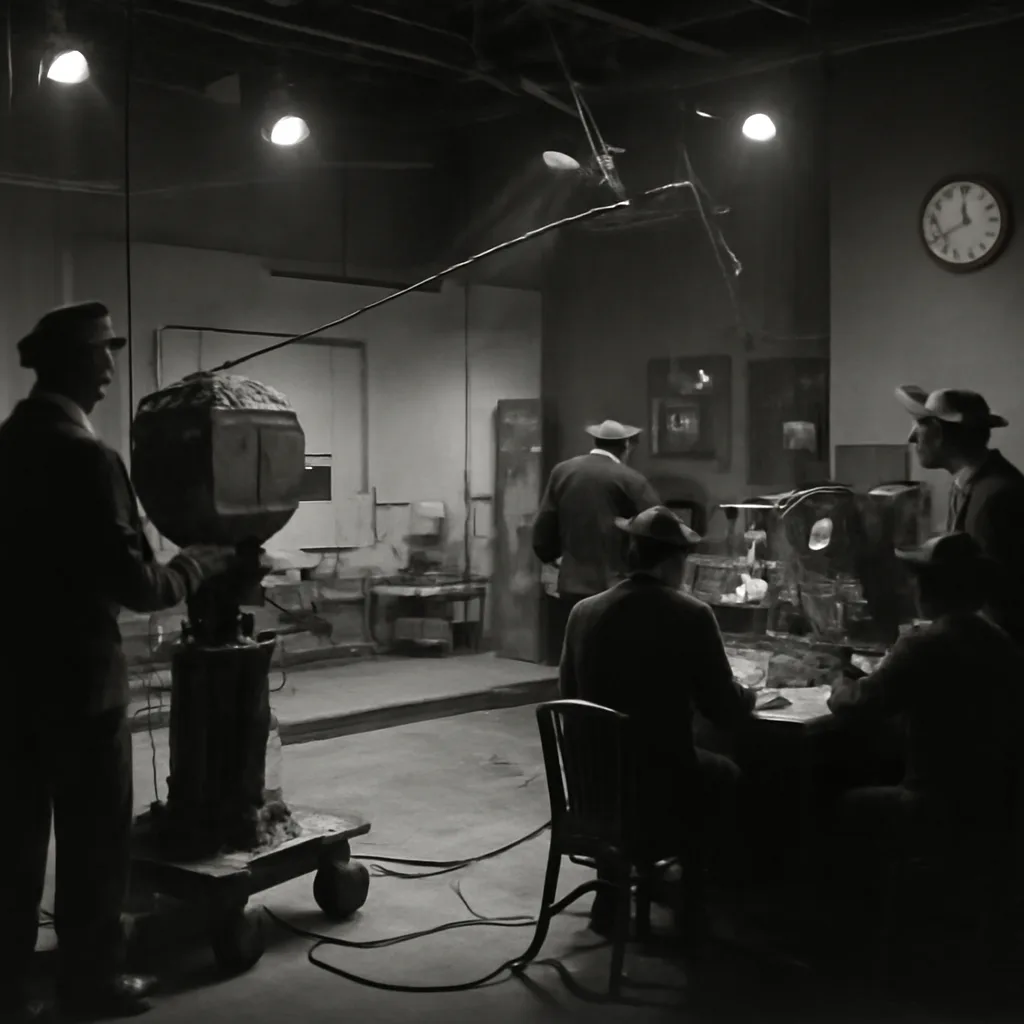
A 1940s television studio control room with camera equipment, microphones, technicians operating consoles, and a studio set; black-and-white era technology and period attire.

On May 30, 1940, NBC completed the first nationwide expansion of a commercial television network in the United States, linking stations and expanding regular scheduled broadcasts beyond a single city footprint.


On May 30, 1940, the National Broadcasting Company (NBC) achieved a milestone often cited as the first expansion of a modern commercial television network across the United States. While experimental television transmissions had been underway in the 1930s and limited commercial schedules existed in cities such as New York and Los Angeles, the developments culminating in 1940 marked a transition from isolated station experiments to coordinated, scheduled network service.

Background
Television in the 1930s was an evolving technology. Mechanical systems gave way to electronic systems developed by inventors and engineers in multiple countries. In the United States, radio networks such as NBC began investing in television as both a technical field and a potential new mass medium. The Federal Communications Commission (FCC) issued experimental television licenses and in the late 1930s allowed commercial stations to operate under specific rules, creating opportunities for network-linked programming.

NBC’s network expansion
NBC had launched regular experimental and limited commercial television programming from its New York station (W2XBS, which later became WNBC) in the late 1930s. By 1940 the company had organized technical and programming resources to connect additional stations and to deliver coordinated schedules to a broader audience. On May 30, 1940, NBC announced and implemented a series of connections and scheduled broadcasts that extended its service beyond single-city operations, using landlines and relay technologies available at the time.

Scope and limitations
The expansion in 1940 did not instantly create the coast-to-coast, high-fidelity television network that would emerge after World War II. The reach was limited by transmitter power, the scarcity of receivers, and the incomplete national infrastructure for television signal distribution. Early networked programs were short, often experimental, and aimed at demonstrating the feasibility of coordinated broadcast service rather than serving a mass audience. Much of the American population did not yet own television sets, and World War II would soon redirect industrial capacity and slow consumer adoption and further technical expansion.

Significance
Despite these limitations, NBC’s 1940 expansion was significant for several reasons. It demonstrated the practical possibility of linking multiple stations to carry common programming, it helped set technical and operational precedents for later network growth, and it signaled broadcaster commitment to television as a commercial medium. After the war, networks leveraged wartime advances and accumulated experience to create the magazine-style, national television schedules familiar in the 1950s.

Historical context and sources
Histories of early American television emphasize gradual technological progress, regulatory decisions by the FCC, and the role of radio networks in developing television infrastructure. Contemporary trade publications, FCC records, and later scholarly histories provide evidence for NBC’s early network activities and the May 1940 timeframe for key expansions. Details such as the precise number of linked stations, program titles, and technical parameters are documented in primary sources from the period and in specialized broadcast histories; some accounts vary in emphasis, and scholars note that ‘‘nationwide’’ in 1940 meant a nascent, geographically limited network rather than the full national reach that developed in later decades.

Aftermath
The wartime pause in commercial television development delayed broader adoption, but the technical and organizational lessons from 1940 directly informed postwar network growth. By the early 1950s television had become a dominant mass medium in the United States, building on the infrastructure and experience established by early network experiments and expansions such as NBC’s 1940 effort.

Share this

Email Share on X Facebook Reddit

Did this surprise you?