
10/30/1938 • 6 views
When a Radio Drama Sparked Nationwide Panic: The 1938 Broadcast That Terrified America
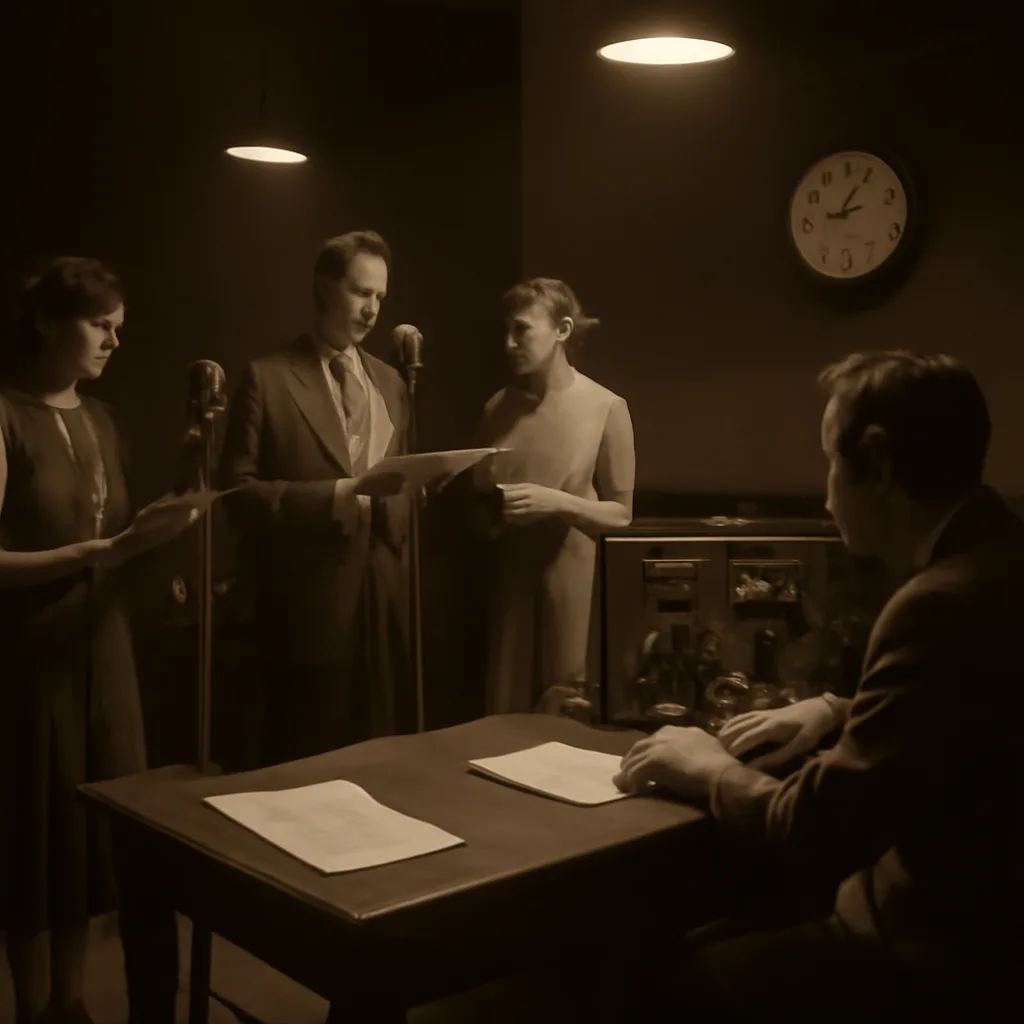
On October 30, 1938, Orson Welles’s radio adaptation of H.G. Wells’s The War of the Worlds prompted widespread fear among listeners who believed an actual Martian invasion was underway—one of the first documented instances of mass panic attributed to a radio broadcast.
Newspapers of the day ran sensational headlines about widespread panic, and within hours there were reports of people fleeing homes, crowding highways, and calling police and newspapers asking for guidance. Subsequent investigations and contemporary scholarship, however, have shown that the scale of the panic was smaller and more localized than early press reports suggested. Sociologists and historians who examined surveys, police records, and correspondence from the period conclude that many who were alarmed were those who tuned in late and missed the program’s opening announcements, those who were already anxious about international tensions in 1938, and some who treated the broadcast as entertainment but later exaggerated reactions in retellings.
The incident nevertheless became a powerful cultural touchstone. It provoked immediate debate about the power and responsibility of broadcast media and led to congressional attention and public discussion about broadcasting standards. Radio networks and sponsors faced scrutiny over airing realistic dramatizations without clearer disclaimers; CBS issued apologies and Welles personally received both praise for the program’s artistry and criticism for its effects. The event also influenced future regulations and broadcaster practices, encouraging more prominent disclaimers and clearer separation between news and drama.
Scholars have debated key details: early press accounts likely amplified the extent of panic to sell papers, while later recollections—some by Welles himself and others—occasionally exaggerated aspects of audience reaction or the number of people directly affected. Modern researchers (including media historians and sociologists) base more measured estimates on contemporary listener surveys, police logs, and station records, finding pockets of genuine alarm but not the nationwide hysteria often depicted in popular retellings.
Beyond immediate reactions, the broadcast’s legacy is significant for its role in shaping public perceptions of mass communication’s influence. It is frequently cited in discussions of media effects, moral panics, and the responsibilities of mass media during times of public anxiety. The 1938 War of the Worlds episode remains one of the earliest and best-documented instances in which a radio dramatization was blamed for provoking mass fear, even as later research has complicated the narrative of a single, uniform national panic.