Bombings of U.S. Embassies in Africa Kill Hundreds
On August 7, 1998, nearly simultaneous truck-bomb attacks struck the U.S. embassies in Nairobi, Kenya, and Dar es Salaam, Tanzania, killing more than 200 people and injuring thousands, in assaults widely attributed to the Islamist militant network al-Qaeda.
On the morning of August 7, 1998, two near-simultaneous suicide truck-bomb attacks destroyed the United States embassies in Nairobi, Kenya, and Dar es Salaam, Tanzania. The explosions killed at least 224 people—including 12 Americans—and wounded thousands, causing extensive damage to both diplomatic compounds and surrounding neighborhoods.
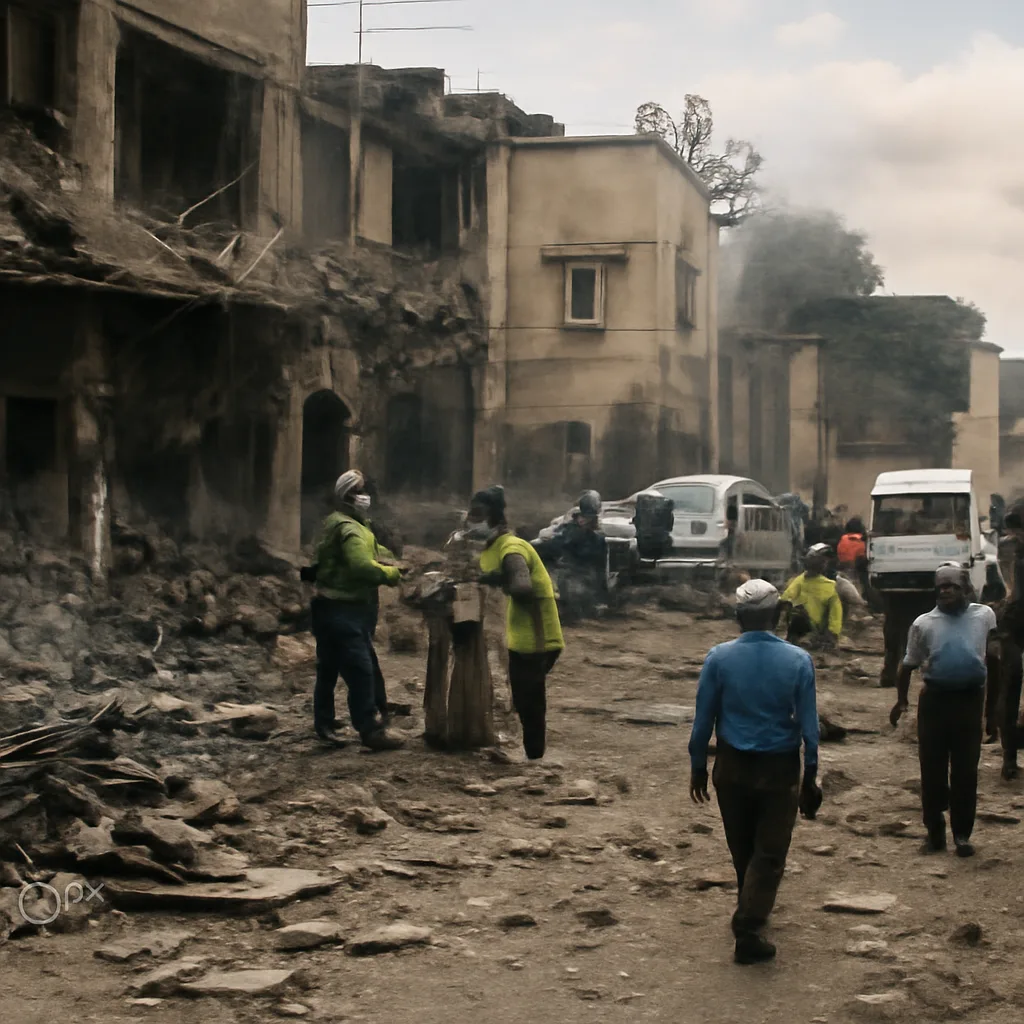
Nairobi: The larger and deadliest of the two blasts occurred in Nairobi, where a vehicle laden with explosives detonated near the embassy in a busy commercial district. The blast leveled portions of the embassy building, collapsed neighboring structures, and set fires that spread through adjacent shops and offices. Casualties included embassy staff, local employees, passersby, and residents of nearby buildings. The destruction overwhelmed local hospitals and emergency services, and left long-term physical and psychological scars in affected communities.
Dar es Salaam: In Dar es Salaam, a second truck bomb struck the U.S. embassy compound in the Tanzanian port city. Damage was severe but the death toll there was lower than in Nairobi, partly because the vehicle exploded farther from the busiest civilian areas. Still, dozens were killed and hundreds injured, and the attack generated widespread fear and disruption across the city.
Attribution and investigation: U.S. and international investigators rapidly identified al-Qaeda, a transnational Islamist militant network led by Osama bin Laden, as the principal suspect. Evidence cited by investigators included communications intercepts, financial trails, and links between individuals involved in the operation and known al-Qaeda operatives. The U.S. government formally accused bin Laden and his network, and in 2001 indicted him and several associates in connection with the bombings.
Repercussions and responses: The attacks prompted an urgent U.S. law enforcement and intelligence response, including FBI investigations and expanded counterterrorism cooperation with African and global partners. The United States launched cruise-missile strikes in August 1998 against targets in Afghanistan and a Sudanese pharmaceutical factory that U.S. officials said was linked to al-Qaeda; those strikes were controversial and prompted debate over evidence and proportionality.
Legal and policy outcomes: The bombings led to legal actions, including U.S. lawsuits seeking to hold al-Qaeda and affiliated groups accountable and to obtain damages for victims. They also accelerated U.S. diplomatic and security efforts to harden missions overseas, resulting in reinforced embassy construction standards, revised security protocols, and greater emphasis on intelligence-sharing to detect and disrupt terrorist plots.
Legacy: The 1998 embassy bombings marked a significant escalation in al-Qaeda’s campaign against U.S. interests and presaged later large-scale attacks, including the September 11, 2001, attacks. They heightened global awareness of transnational terrorism and contributed to the expansion of international counterterrorism initiatives in the late 1990s and early 2000s. The human toll—civilians, diplomatic personnel, and first responders—left enduring impacts on survivors, families of the victims, and the cities that bore the physical and social consequences of the attacks.
Notes on sources and attribution: The basic facts of the date, locations, casualties, and attribution to al-Qaeda are documented in contemporaneous news reporting, investigations by U.S. authorities, and subsequent legal filings. Some details—such as the exact number of wounded and the full chain of operational responsibility—have varied across reports and over time; where disputes exist, official U.S. government indictments and declassified investigative summaries provide primary reference points.