
08/07/1815 • 4 views
Napoleon Bonaparte Exiled to Saint Helena
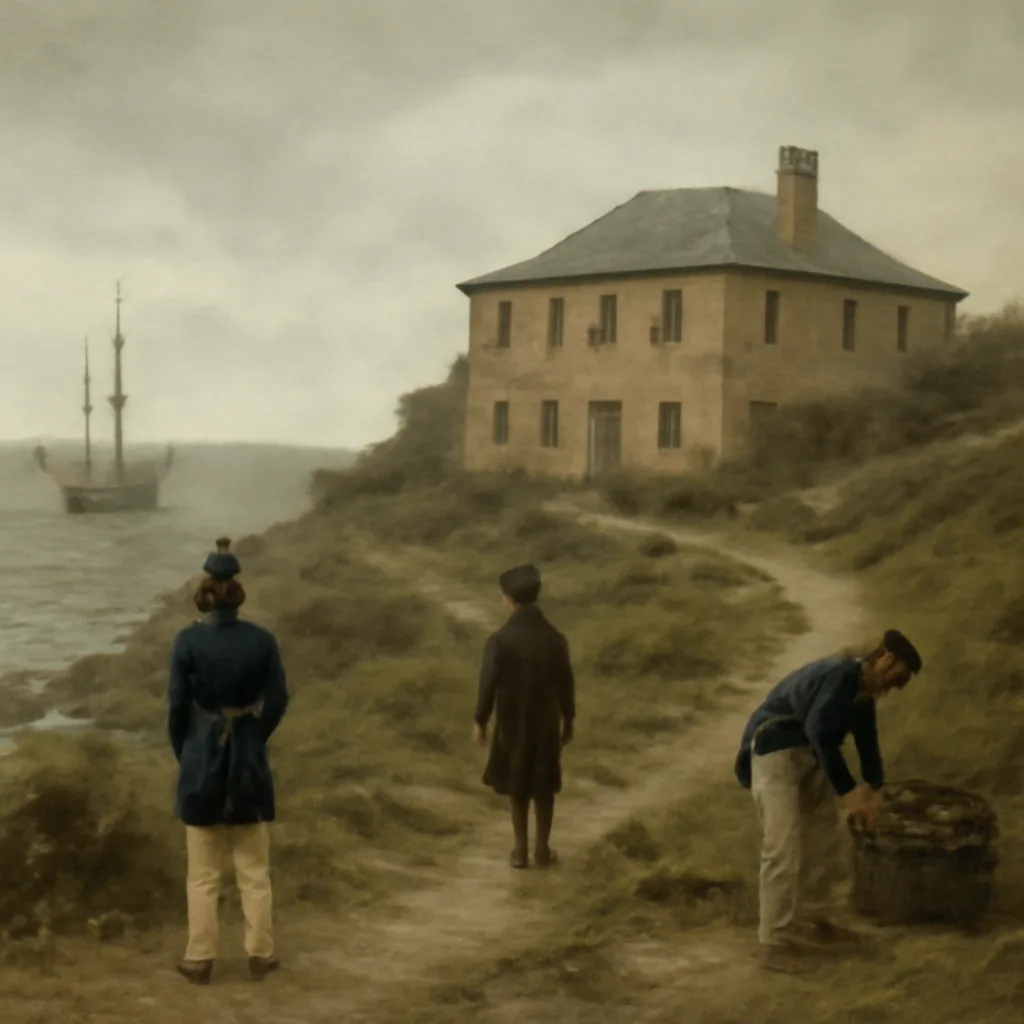
After his defeat at Waterloo and abdication, Napoleon Bonaparte was sent into permanent exile on the remote South Atlantic island of Saint Helena on August 7, 1815, where he would live under British supervision until his death in 1821.
Napoleon had surrendered to the British aboard HMS Bellerophon in July 1815 after recognizing that continued resistance was futile. Initially held aboard the ship and then transferred to the more secure HMS Northumberland, he arrived at Saint Helena in late summer. The British government, led by the Duke of Wellington and William Pitt's successors in policy, appointed a governor, Sir Hudson Lowe, to oversee Napoleon's detention and to prevent escape or rescue attempts.
Saint Helena, a small volcanic island about 1,200 miles off the west coast of southern Africa, offered an isolated setting for close supervision. Napoleon was taken to Longwood House, a damp, windswept residence chosen for its seclusion rather than comfort. His household included a reduced number of attendants and loyal servants who accompanied him, though the British authorities tightly regulated correspondence, visitors, and supplies. Over the next six years he occupied himself with writing memoirs, dictating recollections, consulting with his remaining aides, and overseeing the limited aspects of his household and garden projects.
Relations between Napoleon and the British governor were frequently contentious. Lowe imposed restrictions he considered necessary for security; Napoleon and his entourage viewed them as petty and humiliating. These tensions, along with disputes over allowances, censorship of letters, and the treatment of his companions, became recurring sources of grievance recorded in contemporary correspondence and later memoirs.
Napoleon's health gradually declined on Saint Helena. The island's damp climate, combined with limited medical knowledge and disagreements among his physicians, contributed to chronic ailments. He died on May 5, 1821. The official cause recorded at the time was stomach cancer, though the precise cause has been debated by historians and medical researchers, with alternative hypotheses—such as arsenic poisoning—proposed and examined using archival evidence and scientific testing; no single account has universal acceptance.
The exile to Saint Helena marked the end of Napoleon's active political and military career and inaugurated a period in which he cultivated a lasting personal legend. His removal from Europe removed him from direct influence but intensified interest in his life and policies among contemporaries and later historians. After his death, his remains were returned to France in 1840 and interred at Les Invalides in Paris, an act that reflected the complex legacy he left in European memory.
Historians continue to study Napoleon's Saint Helena years for what they reveal about his personal reflections, imperial memory, and the diplomatic calculations of the victorious powers. Contemporary primary sources include official British correspondence, the writings of members of Napoleon's household, and later biographies; interpretations of events on Saint Helena vary according to the weight scholars place on different documents and scientific analyses.