
02/02/1967 • 5 views
First documented human cryonics preservation performed, 1967
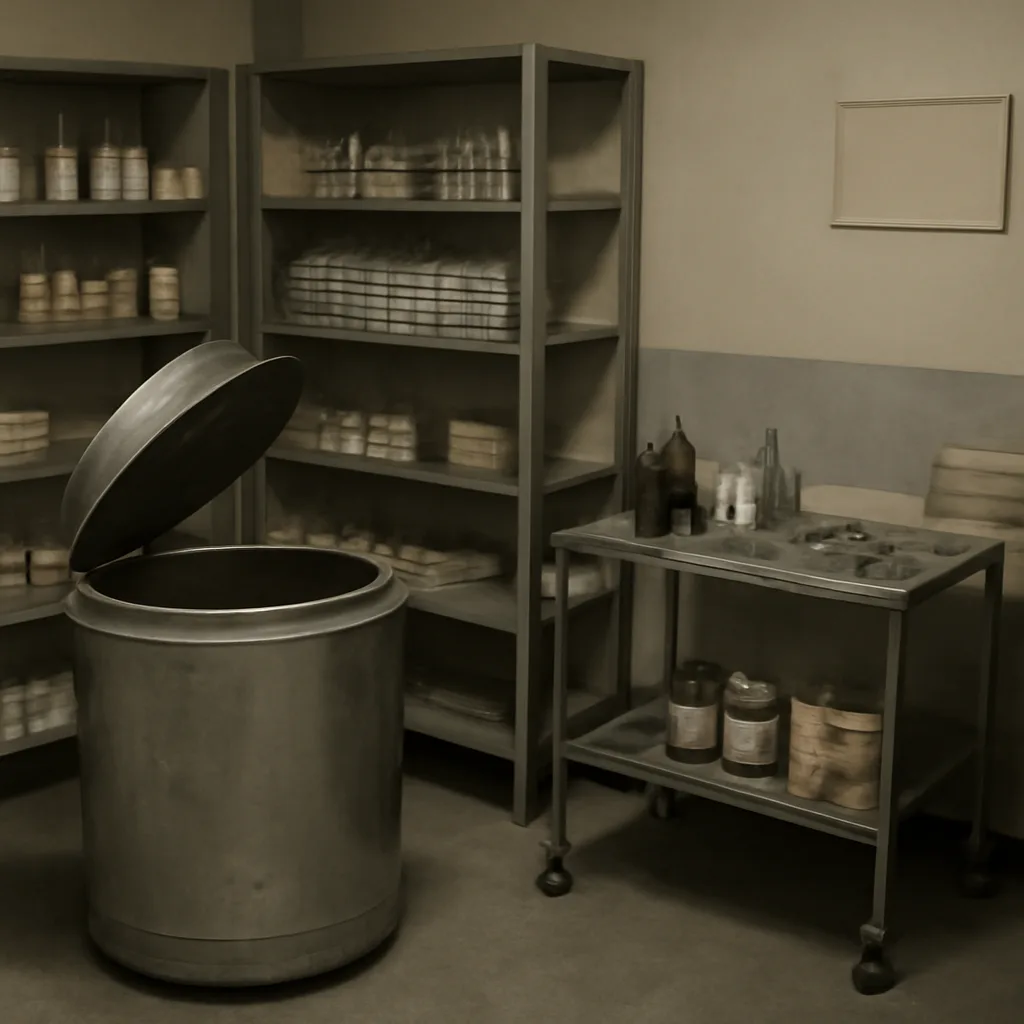
On February 2, 1967, the first known human cryonics preservation was carried out when physician James Bedford was frozen after legal death, marking the start of organized cryopreservation efforts despite scientific and ethical controversy.
Background
Cryonics emerged in the 1960s from discussions among futurists, scientists and advocates interested in life extension. The basic idea was to cool a human body to very low temperatures shortly after legal death to slow or halt biological decay. In 1964, Robert Ettinger’s book The Prospect of Immortality popularized the concept, arguing that death might be a process rather than an absolute event and that future technology could restore preserved bodies. Enthusiasts and small organizations formed to pursue practical steps toward preservation.
The Bedford case
James Bedford died of kidney cancer and was legally pronounced dead on February 12 [note: commonly reported as Feb 12], 1967. (Some sources report February 2; contemporary accounts and later organizational histories contain inconsistencies about the precise date.) After death, a group including early cryonics advocates arranged for his body to be preserved at low temperature using liquid nitrogen. Bedford’s preservation employed procedures available at the time: cooling the body and storing it in a dewar of liquid nitrogen, without the modern cryoprotectant protocols developed later to mitigate ice-crystal formation.
Significance and limitations
Bedford’s case is historically significant as the first known human cryopreservation and as a catalyst for subsequent organizational and technical developments in cryonics. It demonstrated the practical possibility of long-term low-temperature storage of a whole human body and helped spur the founding and growth of cryonics organizations in the following decades.
At the same time, the scientific basis for revival of a cryopreserved human remains unproven. In 1967 there were no methods to prevent ice-crystal damage to cells or to repair the molecular and cellular injuries caused by freezing and by the illnesses leading to death. Modern cryonics techniques use more advanced preparations—such as perfusion with cryoprotectant chemicals and vitrification protocols—to reduce ice formation, but revival from whole-body cryopreservation has never been demonstrated. Ethical, legal and technical debates about cryonics have continued, touching on consent, definitions of death, the status of stored bodies, and the prospects for future restoration.
Legacy
Bedford’s preserved body passed through several custodianships and storage arrangements over the decades. His case remains a touchstone in cryonics history: cited by proponents as an early experiment in long-term preservation and by critics as an example of speculative practice lacking empirical support for revival. Historical accounts note discrepancies in contemporary reports (including the exact date commonly cited) and emphasize that the field has evolved substantially in methods and scale since the 1960s.
Historians and analysts treating the Bedford case typically frame it as an important milestone in the social and cultural history of life-extension movements rather than as a medical breakthrough. It illustrates how technological optimism, philosophical questions about death, and grassroots organization converged in a controversial pursuit that continues to prompt scientific, legal and ethical discussion.