
12/03/1987 • 5 views
Rival Fans Dig Up Cricket Pitch Overnight in Dispute at Local Ground
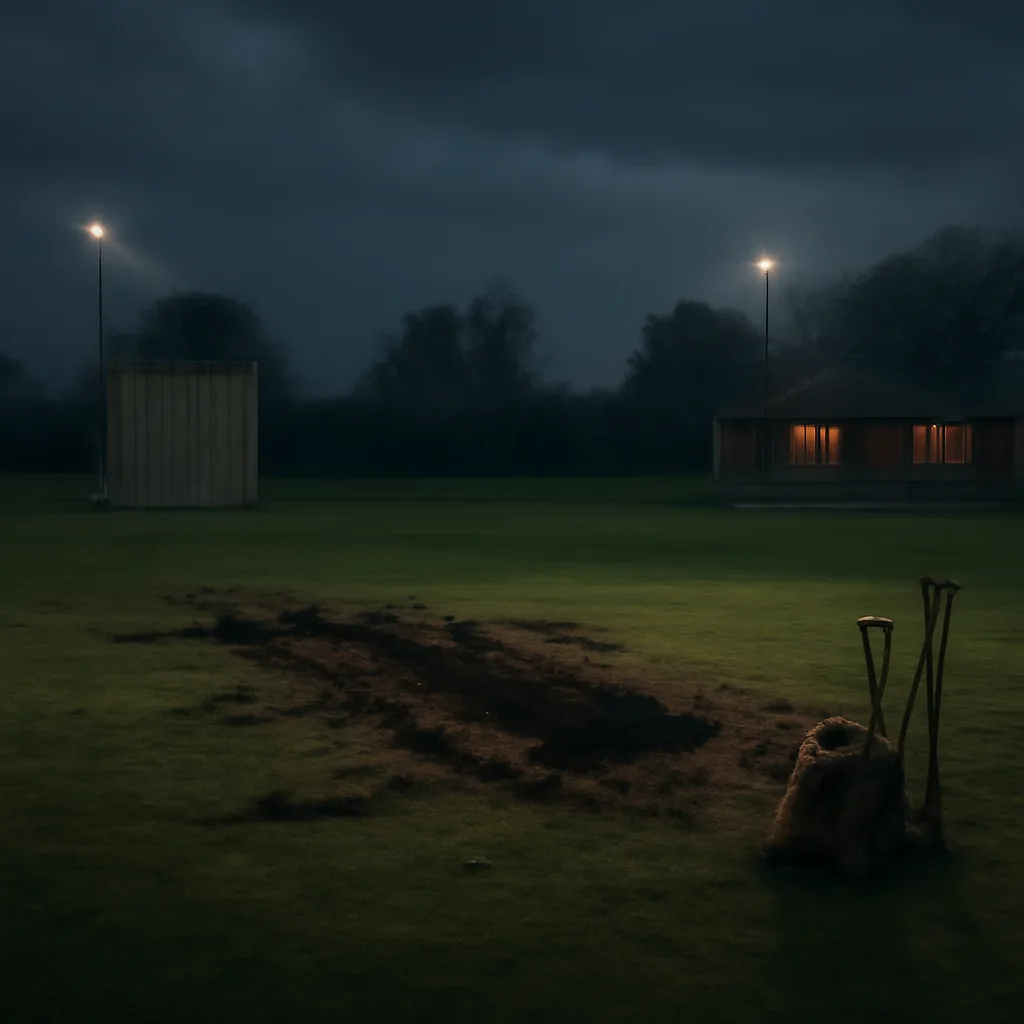
On the night of 3 December 1987 a section of the central pitch at a local cricket ground was reportedly dug up by rival supporters, forcing match abandonment and prompting police and county cricket inquiries.
Context
Cricket pitches are carefully prepared surfaces; even modest disturbance to the central wicket can make the ground dangerous and unfit for competitive play. Incidents of pitch tampering are rare but can have immediate sporting and financial consequences: matches may be canceled, teams may be disadvantaged, and groundskeepers face costly repairs. In the 1980s, local rivalries in club and county cricket could be intense, and disputes over player eligibility, scheduling or league position sometimes spilled beyond standard protest procedures.
Report and immediate response
Reports from the time indicate that rival fans were suspected of intentionally damaging the turf. Local police and cricket authorities typically treated such cases as criminal damage and breach of sporting regulations. The immediate priority was assessing the safety of the ground, documenting the damage, and securing the site. Grounds staff commonly attempted temporary repairs, but reinstating a pitch to match standard can take weeks or months, depending on the extent of the disturbance and the season.
Investigation and consequences
Investigations in similar incidents usually involved taking statements from club officials, ground staff and any witnesses, reviewing any available photographs, and, if necessary, consulting forensic or turf specialists to determine the method and timing of the damage. If individuals were identified, they could face criminal charges for criminal damage and sanctions from cricket governing bodies, including bans from grounds or competition. Clubs implicated for failing to control their supporters sometimes faced fines or points deductions, though specific outcomes depended on evidence and governing-body procedures.
Wider implications
Beyond the immediate loss of a match, deliberate pitch damage undermines community trust in local sport. Clubs rely on volunteers and supporters; when those supporters disrupt play, it strains resources and harms participation. For competitive fixtures, postponement can affect league tables and player availability. For groundskeepers, repairing a wicket to playing standard may require relaying pitches, reseeding, and a period of controlled growth, which in winter months can be prolonged.
Uncertainties and sourcing
Contemporary reporting of local incidents can vary in detail. Where allegations of fan involvement exist, authorities sometimes caution that suspects are alleged rather than convicted, and not all reports result in formal charges. This summary synthesizes widely known procedures and typical consequences for pitch vandalism in English cricket during the late 20th century without attributing specific court outcomes or named individuals, as such details require primary-source verification from police records, club statements or contemporaneous newspaper coverage.
Aftermath and prevention
Clubs and grounds took a range of measures to prevent recurrence: improving perimeter security, arranging stewards for high-tension fixtures, installing better lighting and signage, and communicating with rival clubs and supporters to defuse disputes. Governing bodies also emphasized reporting channels and disciplinary frameworks to deter supporters from taking matters into their own hands.
Legacy
Incidents like the December 1987 pitch damage serve as reminders of how local sporting rivalries can escalate and the importance of safeguarding community sports facilities. They also underscore the professional role of groundskeeping in cricket and the reliance of the sport on well-maintained turf to ensure fair and safe play.