Patient of first successful human heart transplant dies weeks after surgery
On December 3, 1967, South African surgeons performed the world’s first successful human-to-human heart transplant; the recipient, Louis Washkansky, died 18 days later of pneumonia and complications, highlighting both the surgical breakthrough and the limits of early immunosuppression.
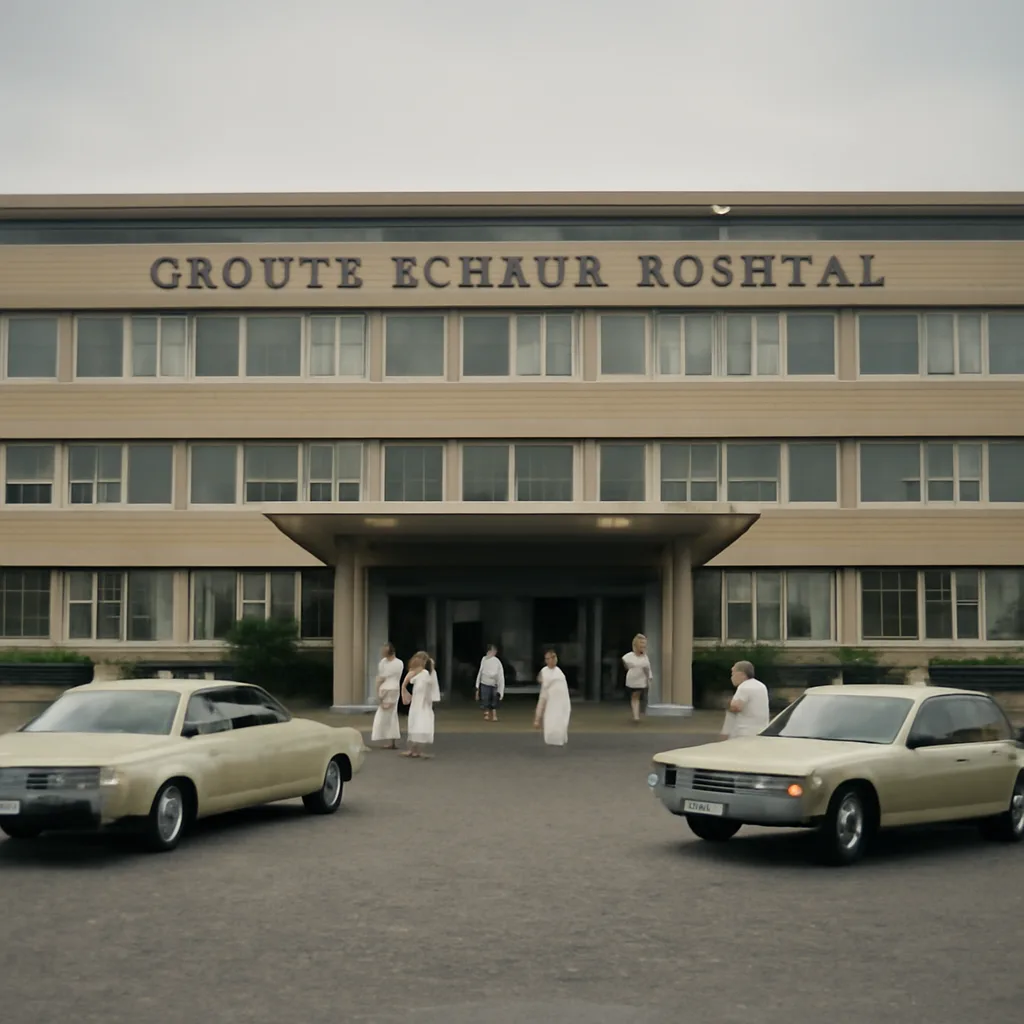
On December 3, 1967, a surgical team led by Dr. Christiaan Barnard at Groote Schuur Hospital in Cape Town performed the first human-to-human heart transplant, transplanting a heart from donor Denise Darvall into recipient Louis Washkansky. The operation was hailed internationally as a landmark achievement in surgical history and demonstrated that human heart transplantation was technically possible. Washkansky initially recovered from the operation and was conscious and communicative in the days that followed, but his clinical course was complicated by infection.
Washkansky died on December 21, 1967, 18 days after the transplant. The immediate cause of death was bronchopneumonia and systemic illness. Historical accounts and medical summaries indicate that infection, rather than rejection of the grafted heart, was the principal proximate cause. At the time, immunosuppressive therapy relied primarily on high-dose corticosteroids and azathioprine; these agents reduced rejection risk but left patients vulnerable to opportunistic infections. Medical teams in 1967 had limited experience balancing immunosuppression and infection control in transplant recipients.
The death underscored key challenges facing early transplant medicine. While the operation proved that a transplanted heart could function in a human recipient, long-term survival required advances in infection prevention, diagnosis, and better immunosuppressive regimens to prevent rejection without severe immune compromise. Subsequent decades saw major developments—including improved immunosuppressive drugs such as cyclosporine in the late 1970s and early 1980s, refined perioperative care, and more rigorous donor–recipient matching—that dramatically increased survival after heart transplantation.
The transplant and Washkansky’s subsequent death also provoked widespread public and ethical debate. Media attention was intense worldwide, raising questions about surgical risk, informed consent, organ donation, and the allocation of medical resources. Barnard and his team were praised for their technical courage and criticized by some who questioned whether the operation should have been attempted given the state of knowledge about rejection and infection.
Historically, reports agree that Washkansky’s death was not due to immediate mechanical failure of the transplanted heart. Instead, it reflected the precarious balance clinicians faced in suppressing the immune response enough to prevent rejection while preserving the patient’s ability to fight infection. The case accelerated research into immunology and infection management in transplantation and remains a seminal episode in the evolution of cardiac surgery.
Because accounts from the period vary in emphasis, some details around postoperative management and decision-making are described differently in contemporary sources. What is clear from reliable historical and medical reviews is that the December 1967 operation established a new surgical frontier and that the patient’s death weeks later illustrated the considerable medical obstacles that then remained.