
03/31/1889 • 6 views
Eiffel Tower Opens to the Public in Paris, 1889
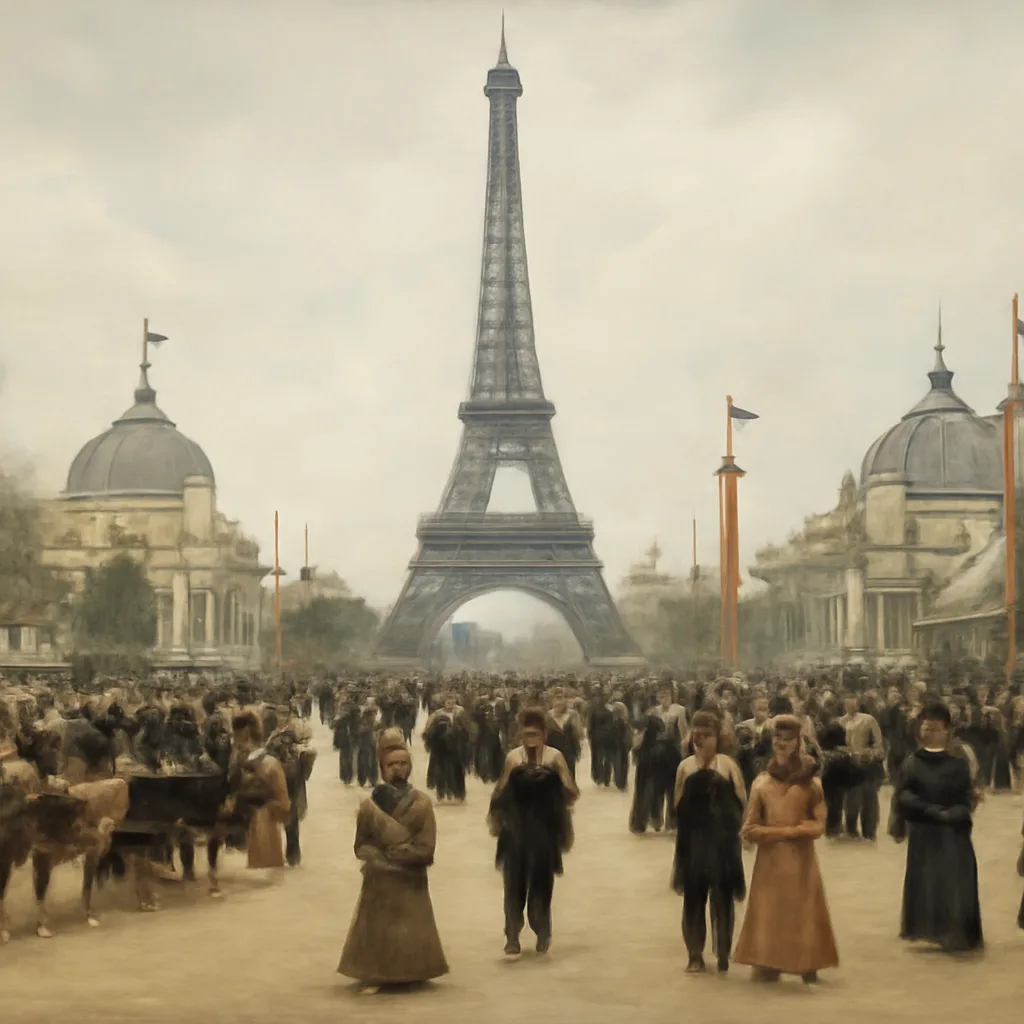
On March 31, 1889, Gustave Eiffel's 300-meter iron tower opened to visitors during the Exposition Universelle, quickly becoming a focal point of engineering achievement and public controversy in Paris.
Construction began in January 1887 and proceeded rapidly: the tower’s iron lattice structure rose in sections assembled on site, held together by more than two million rivets. At its official completion earlier in 1889, the structure reached approximately 300 meters in height (including antennas later added would change its measured height). The opening to visitors on March 31 allowed the public to ascend by stairs and, later, by elevators that had been installed to serve the tower’s platforms.
From an engineering standpoint, the Eiffel Tower represented a radical departure from traditional masonry monuments. Its exposed wrought-iron lattice reduced wind resistance and material weight while enabling unprecedented height. Engineers and architects across Europe debated its aesthetics and structural logic: some critics denounced it as an eyesore unbefitting Paris, while many scientists and industrialists praised the tower as a triumph of modern engineering.
The Exposition Universelle drew millions of visitors to Paris, and the tower quickly became one of the fair’s main attractions. Visitors could climb to viewing platforms that offered panoramic views of the city and the Seine. Practical features—restaurants and exhibition spaces—were incorporated into the lower levels, reflecting the tower’s dual role as both spectacle and functional public venue.
Public reaction in 1889 was mixed. A famous open letter from artists and intellectuals had criticized the tower’s design during construction, calling for a change, but the structure’s novelty and its dramatic silhouette over the Paris skyline ensured it captured public attention. Over subsequent years the tower would shift from controversial to beloved, becoming an enduring symbol of Paris and of the broader Industrial Age.
Historically verifiable facts about the opening include the date (March 31, 1889) and the tower’s association with the 1889 Exposition Universelle. Details such as exact visitor numbers on opening day and contemporary personal impressions vary among period accounts, and some anecdotal claims—like spontaneous public ceremonies or specific dialogues—are inconsistently documented in primary sources. Major later modifications (notably the addition of antennas and periodic alterations to its measured height) occurred in the decades after 1889 and should be treated as separate phases in the tower’s history.
Today, the Eiffel Tower’s 1889 opening is remembered both for its immediate impact on the Exposition Universelle and for marking a turning point in architectural ambition: a publicly accessible iron structure that redefined what could be built and how monuments could be experienced by wide audiences.