
03/31/1693 • 6 views
Massachusetts Dissolves Special Court That Tried Salem Witch Cases
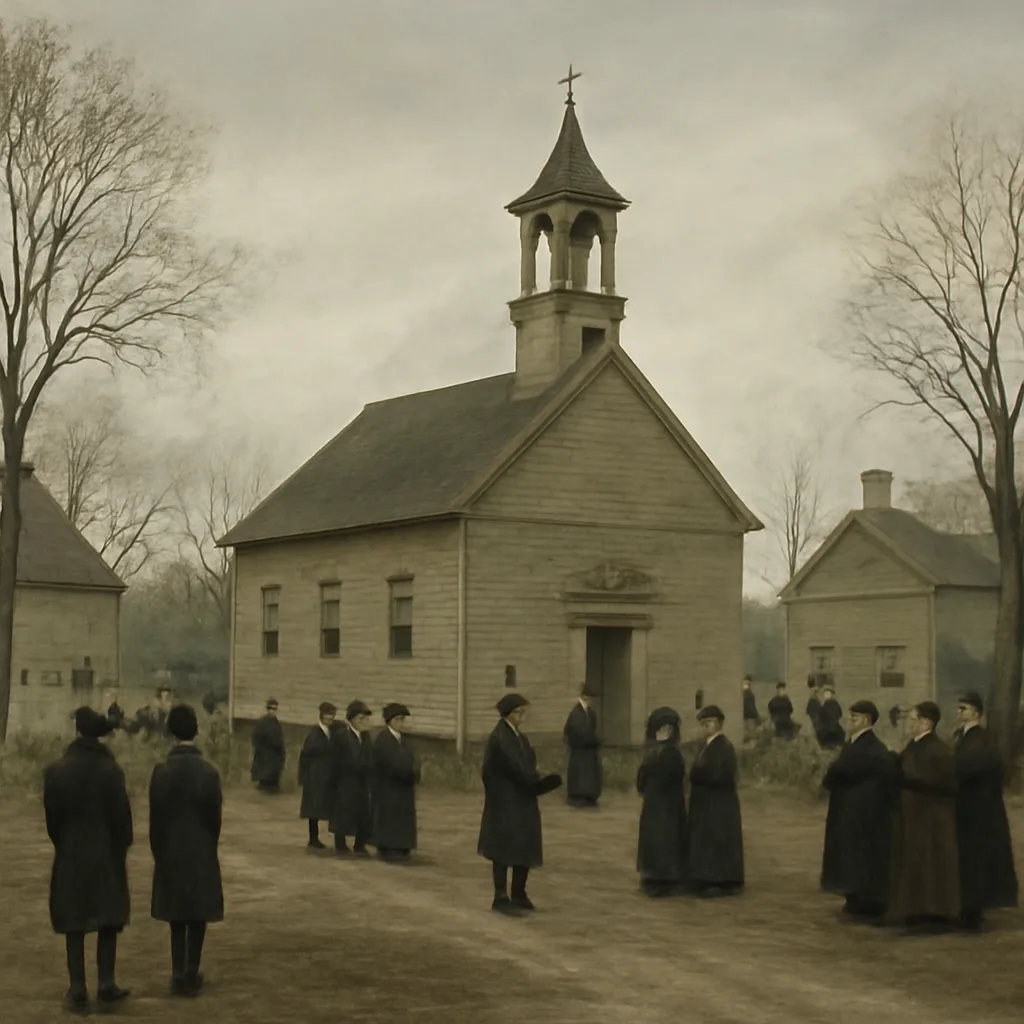
On March 31, 1693, the special court established to try accused witches during the Salem witchcraft crisis was dissolved, ending the formal legal mechanism that prosecuted many of the trials begun in 1692.
Formation and purpose
The Court of Oyer and Terminer and its successor bodies were extraordinary tribunals established by the provincial government to hear capital cases arising from the witchcraft accusations. “Oyer and Terminer” (to hear and determine) courts were not unusual in English legal practice for specific commissions, but the Salem commissions were notable for their swift convening and the number of cases they addressed. The special court’s remit was to examine accusations, hear testimony—including that of afflicted claimants—and render verdicts in a climate of intense local fear and suspicion.
Controversies and legal concerns
From early 1693, criticism of the court’s procedures grew among some colonists and ministers. Concerns centered on evidentiary practices such as the admission of “spectral evidence” (testimony that the accused’s spirit appeared to torment witnesses) and the heavy reliance on the proclamatory claims of the afflicted. Prominent figures, including Governor William Phips and certain clergy, faced pressure as public outrage rose over the number of executions and questionable convictions. The legal community and lay public increasingly debated whether the extraordinary procedures used by the special court conformed to English legal norms.
Dissolution and immediate effects
The court’s formal dissolution on March 31, 1693, removed the specific commission that had overseen many of the 1692 prosecutions. Following its disbanding, remaining cases were transferred to ordinary courts or otherwise dropped, and no further large-scale witch trials took place in the province. The dissolution effectively halted the state-sanctioned machinery that had produced executions and imprisonments during the height of the crisis.
Aftermath and longer-term consequences
Although the dissolution ended the special court, it did not immediately resolve community divisions or the legal status of every accused person. Some imprisoned suspects were released in subsequent months; others remained detained for longer periods. In the years that followed, colonial authorities and the General Court took further steps to address the legacy of the trials, including partial reversals of attainder and petitions for compensation by some families. The controversy over evidentiary standards and the role of extraordinary commissions informed later colonial and legal reflections on due process.
Historical significance
The March 31, 1693 dissolution is seen by historians as a key moment signaling the decline of the witchcraft prosecutions in Massachusetts. It illustrates how extraordinary legal mechanisms can be rapidly mobilized during periods of panic, and how public and institutional pushback can lead to their removal. While debate continues among scholars about the precise interplay of local, religious, and legal forces during the Salem crisis, the end of the special court is widely recognized as a pivotal step toward the restoration of more ordinary judicial procedures in the colony.