
← Back
08/23/1971 • 4 views

Supreme Court Upholds Draft Laws as Campus Protests Continue
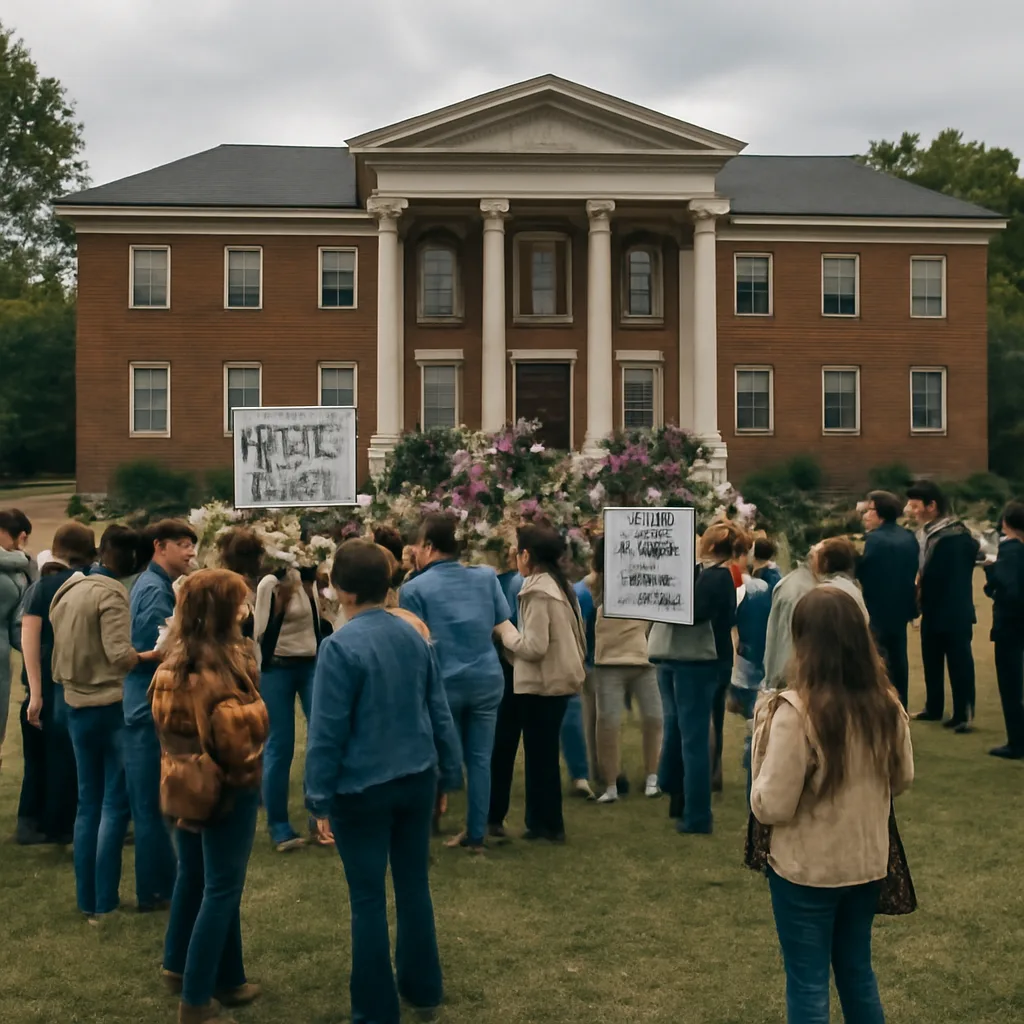
Early 1970s campus scene with students demonstrating outside a university administration building; signs and banners about the draft and Vietnam, police officers observing from a distance, no clearly identifiable faces.

On August 23, 1971, the U.S. Supreme Court upheld federal draft registration and conscription statutes amid widespread campus demonstrations and legal challenges tied to the Vietnam War draft.


On August 23, 1971, the U.S. Supreme Court issued rulings that left key aspects of federal draft and conscription law intact, even as protests and legal challenges persisted on college campuses and in communities across the United States. The decisions came during a period of intense public opposition to the Vietnam War and to the Selective Service System, which many opponents argued was unjust and discriminatory in practice.

Background
By 1971 the draft had been a central point of controversy for several years. The Selective Service System required registration of eligible men and authorized conscription to meet military manpower needs. Opposition to the draft ranged from conscientious objection and draft-card burning to mass demonstrations, student strikes, and legal challenges asserting that conscription violated constitutional protections or had been applied unfairly.

The Court’s Rulings
The Supreme Court’s rulings in August 1971 did not dismantle the Selective Service framework. Instead, the Court declined to strike down the statutory basis for draft registration and conscription in the cases before it, leaving the system largely intact. These decisions reflected the Court’s cautious approach to broad constitutional challenges to national defense and military prerogatives, areas where courts historically defer to Congress and the executive branch.

Legal and Social Context
The rulings arrived against a backdrop of evolving legal doctrines about free speech, assembly, and governmental authority. Earlier Supreme Court decisions had protected some forms of protest and speech related to the Vietnam War, but the Court was less inclined to prohibit conscription itself absent clear constitutional violation. At the same time, lower courts and tribunals were handling thousands of individual draft-related cases—conscientious objector claims, appeals by those accused of draft evasion, and challenges to local draft board decisions.

Public Reaction and Protests
Campus and community protests intensified around the time of the decisions. Students and antiwar activists organized demonstrations, teach-ins, and acts of civil disobedience targeting draft boards, military recruiters, and university administrations perceived as complicit with draft policies. Some protests were peaceful; others led to arrests and confrontations with law enforcement. The rulings did not quell the movement against the war and the draft; instead, they shifted activists’ strategies toward mobilization, political lobbying, and increasing emphasis on efforts to achieve legislative change.

Aftermath and Broader Impact
Although the Court’s August 1971 decisions left the statutory draft mechanism in place, political and social pressures continued to mount. Within a few years the Nixon administration and Congress moved toward reforms, including the introduction of a lottery system for draft call-ups in 1969 and growing political support for ending conscription. The draft was eventually ended in 1973 when the United States moved to an all-volunteer force and Selective Service registration was suspended for a time, though registration requirements were later reinstated in modified form.

Historical Significance
The Supreme Court’s actions in August 1971 are significant as an example of the judiciary’s role during a contentious era of American history—balancing legal review with deference to governmental authority over military affairs. The decisions did not resolve the larger political and ethical debates over the war and conscription, but they helped shape the legal landscape within which activists, lawmakers, and the public continued to contest the draft and American involvement in Vietnam.

Sources and limits
This account synthesizes established historical timelines and legal context about the draft, Selective Service, and public protest around 1971. Specific case names and opinions from the Court are not cited here; readers seeking detailed legal texts should consult Supreme Court opinions and contemporary legal reporting from August 1971 for verbatim holdings and the Court’s reasoning.

Share this

Email Share on X Facebook Reddit

Did this surprise you?