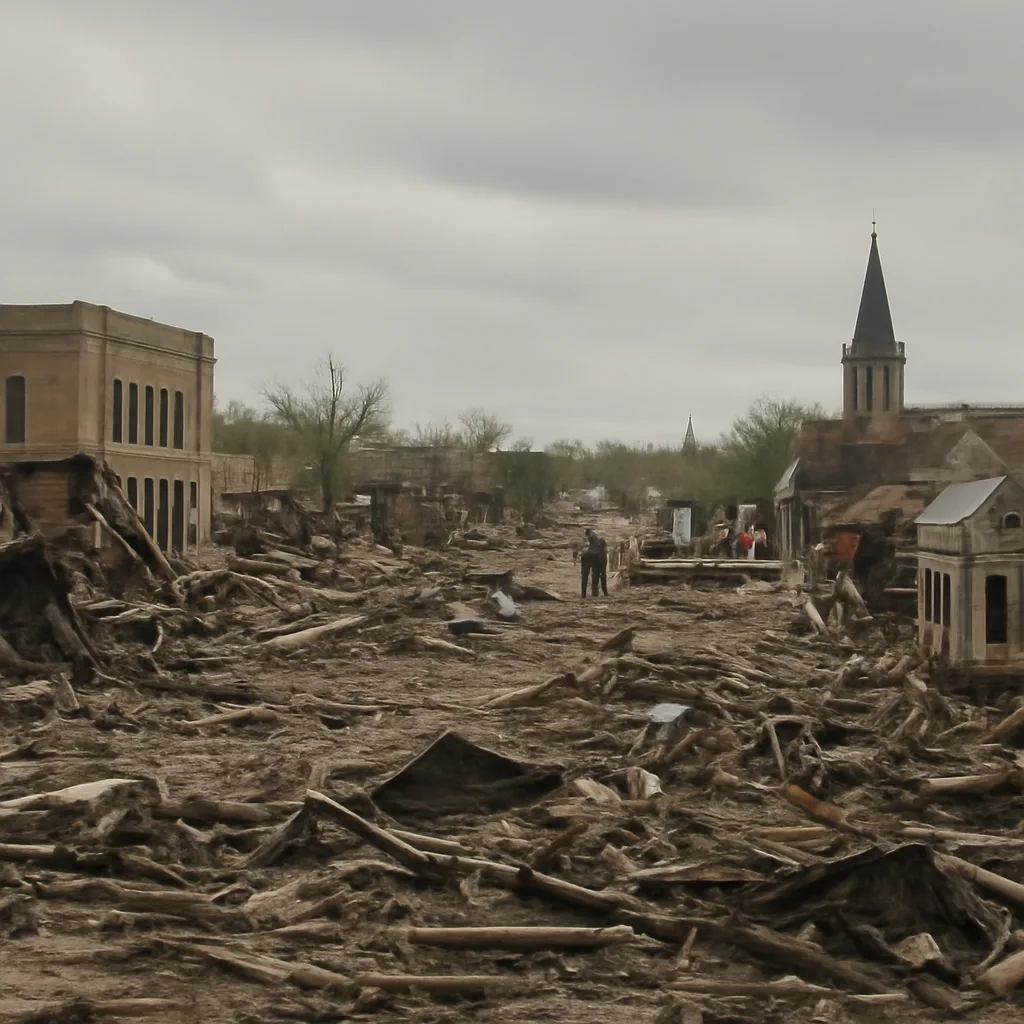
On April 17, 2013, a massive explosion at the West Fertilizer Company in West, Texas, killed at least 15 people, injured more than 160, and destroyed homes and businesses in the surrounding community, prompting federal investigations into storage of ammonium nitrate and emergency response failures.
On April 17, 2013, an enormous blast tore through the small town of West, Texas, after a fire reached stored ammonium nitrate at the West Fertilizer Company facility. The explosion killed 15 people—12 residents, two plant workers, and one volunteer firefighter—injured more than 160 others, and caused widespread damage to schools, homes, churches, and businesses within a radius of several blocks. The disaster left parts of the town reduced to rubble and prompted an extensive local, state, and federal response.
The plant was a distributor and retailer of agricultural fertilizers and stored several tons of ammonium nitrate, an oxidizer widely used in farming but also implicated in a number of industrial accidents and deliberate attacks when improperly stored. The fire that preceded the explosion was reported to local authorities before the detonation, and volunteer firefighters responded to the scene. The explosion’s force was equivalent to several tons of TNT, creating a shock wave felt miles away, shattering windows, and collapsing buildings.
In the aftermath, first responders, community volunteers, and county, state, and federal agencies undertook search, rescue, and recovery operations amid concerns about secondary hazards. Hospitals in the region treated dozens of severely injured patients. The blast also damaged West's elementary and high schools; debris scattered across streets and properties complicated rescue and recovery work.
Federal agencies, including the U.S. Chemical Safety and Hazard Investigation Board (CSB), the Bureau of Alcohol, Tobacco, Firearms and Explosives (ATF), and the U.S. Environmental Protection Agency (EPA), opened inquiries into the causes and circumstances of the explosion. Investigations focused on how the ammonium nitrate was stored, the facility’s safety measures, the regulatory oversight in place, and the emergency response. The CSB concluded that the initial fire ultimately led to the catastrophic detonation of ammonium nitrate. Subsequent reviews and reports highlighted lapses in storage practices, regulatory gaps at the state and federal levels, and shortcomings in emergency planning and communication among responding agencies.
Legal and policy consequences followed. Lawsuits were filed against the company and other parties; settlements and court proceedings addressed compensation for victims and property damage. The explosion also reinvigorated national discussion about regulation of ammonium nitrate and hazardous chemical storage, especially at small, local facilities not subject to stringent federal oversight. Some municipalities and states reviewed and tightened local ordinances and storage requirements in the wake of the disaster.
The West, Texas, community mounted a long recovery and rebuilding effort. Cleanup and demolition of damaged structures proceeded over months, and some residents and institutions relocated or rebuilt. Memorials and remembrances marked anniversaries of the blast. The event remains a reference point in debates over chemical safety, emergency preparedness, and the risks posed by hazardous materials stored near residential areas.
While the broad outlines of the incident—fire leading to an ammonium nitrate explosion with tragic loss of life and community destruction—are well documented, specific details about internal facility practices and regulatory actions were the subject of later investigations and legal processes. Those inquiries produced official reports and court records that provide in-depth, verifiable accounts of causation, accountability, and policy recommendations resulting from the disaster.