
11/12/1985 • 5 views
Japan Airlines Flight 123: Deadliest Single-Aircraft Accident in History
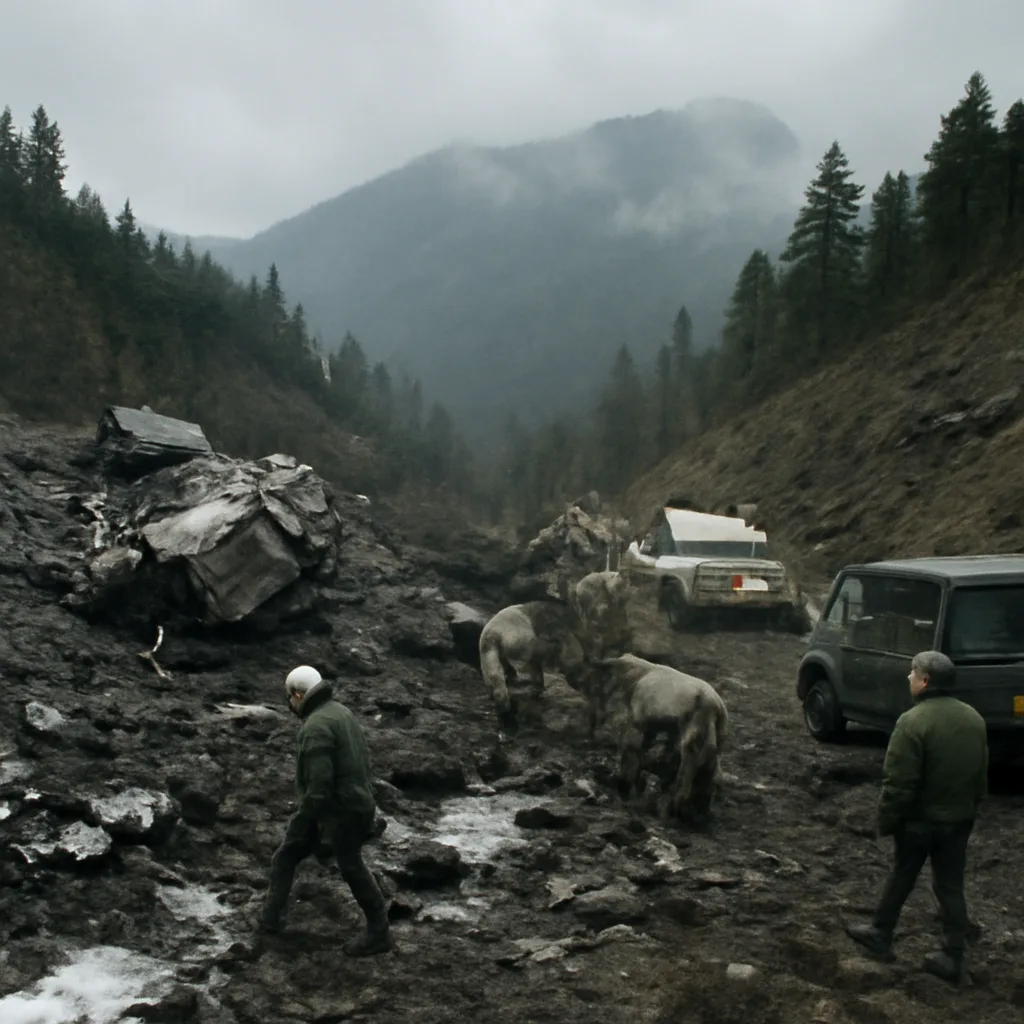
On 12 November 1985, Japan Airlines Flight 123, a Boeing 747SR, suffered a catastrophic structural failure and crashed into Mount Takamagahara, killing 520 of the 524 people on board—the deadliest single-aircraft accident on record.
For the next 32 minutes, the flight crew, led by Captain Masami Takahama, struggled to keep the aircraft airborne and attempted to return to Haneda. Investigators later reconstructed a chaotic sequence of control inputs and automated system warnings as the crew fought to control large, uncommanded pitch and roll motions with limited hydraulic control and engine thrust. Air traffic controllers and military radar tracked the aircraft as it flew erratically north of Tokyo. Despite repeated efforts, the crew were unable to establish stable control.
The crippled 747 eventually crashed into a ridge on Mount Takamagahara in Gunma Prefecture, about 100 kilometers (62 miles) northwest of Tokyo. The impact and subsequent fire killed 520 of the 524 people on board—15 crew and 505 passengers—making it the deadliest single-aircraft accident in aviation history. Four passengers survived; three later died of their injuries, leaving one initial long-term survivor. Ground rescue was hampered by difficult terrain, delayed discovery, and confusion at the crash site.
The official investigation, led by Japan’s Aircraft Accident Investigation Commission (AAIC), concluded that the immediate cause of the accident was the failure of the aft pressure bulkhead. The bulkhead had been improperly repaired in 1978 after a tailstrike incident; technicians used a doubler plate repair that did not follow Boeing’s approved repair method, leading to fatigue cracks that propagated under pressurization cycles. The AAIC report attributed responsibility to Japan Airlines for inadequate maintenance oversight and to the repair facility for the flawed work, while also noting shortcomings in regulatory and corporate safety cultures that contributed to the error going undetected.
The crash prompted major changes in airline maintenance practices, regulatory oversight, and emergency response procedures in Japan and internationally. Japan Airlines implemented stricter maintenance audits and procedures; regulators tightened oversight of airlines’ repair practices. The accident also spurred improvements in crew training for unusual flight control situations and led to renewed emphasis on locating and coordinating rapid mountain rescue and disaster response capabilities.
The event left a deep national and international impact. Memorials were later established near the crash site and at Haneda Airport to honor the victims. The disaster prompted public scrutiny of airline safety, corporate accountability, and the processes that allow critical structural repairs to be improperly performed or inadequately inspected. While the technical findings focused on the bulkhead repair, the broader legacy of Flight 123 lies in the systemic safety reforms and the lasting memory of the victims.
Because this account relies on the AAIC investigation and widely reported facts, it avoids speculative details about crew conversations or private corporate deliberations that are not part of the official record. The sequence of events and conclusions described reflect the consensus of official inquiry and subsequent safety analyses.