
08/31/2010 • 4 views
U.S. Announces Timetable for Withdrawal of Combat Forces from Iraq
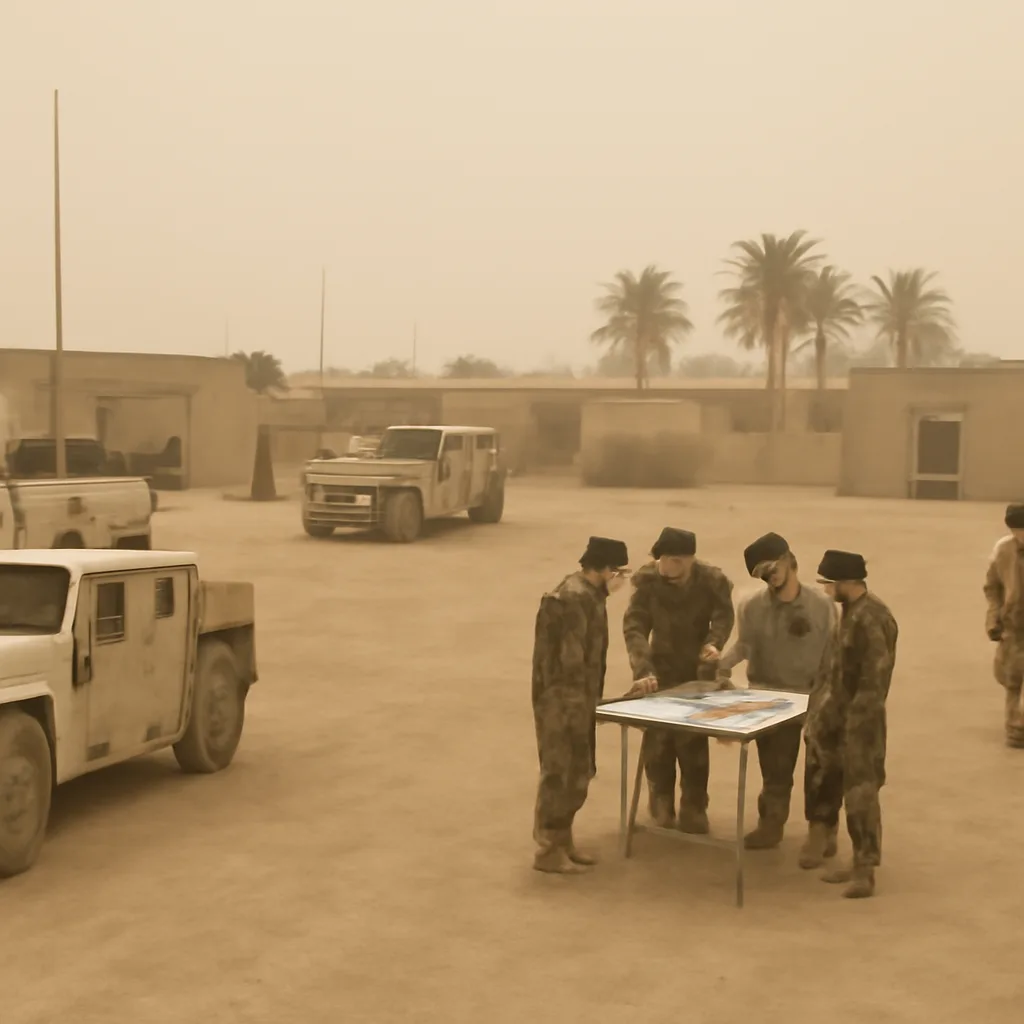
On August 31, 2010, U.S. officials announced a timetable for withdrawing combat troops from Iraq, outlining a phased drawdown tied to training Iraqi security forces and political milestones in Baghdad.
Context and rationale
The announcement came after years of intensive U.S. military involvement following the 2003 invasion and a violent insurgency that peaked in the mid-2000s. By 2010, the U.S. had reduced the overall force footprint compared with earlier years, and political pressure in Washington and Baghdad favored a clearer endpoint to combat operations. U.S. officials framed the timetable as conditional: the pace of withdrawal depended on measurable progress by Iraqi security forces, political reconciliation among Iraqi factions, and the security environment across the country.
Phasing and responsibilities
The withdrawal plan described a phased reduction of combat brigades and a handover of security responsibilities to Iraqi forces, prioritized by province and operational need. As brigades redeployed, remaining U.S. units were to concentrate on training, advising and partnering with Iraqi units, providing air support, intelligence, and logistics when requested. The arrangement preserved U.S. capabilities for counterterrorism operations while recognizing Iraqi sovereignty and the Iraqi government’s desire for normal state-to-state relations.
Political and diplomatic dimensions
The timetable was both a military and diplomatic signal. For the Iraqi government, a U.S. drawdown represented progress toward full sovereignty and control over internal security. For U.S. policymakers, it addressed domestic political expectations for ending large-scale combat deployments and for redirecting resources. Negotiations between Washington and Baghdad during this period also considered the legal and diplomatic framework for any residual U.S. presence, including the status of forces and basing arrangements. Some details about long-term basing and the presence of non-combat U.S. personnel were the subject of continued talks.
Domestic and regional reactions
Reactions varied. In the United States, supporters called the timetable a responsible transition that recognized gains by Iraqi forces; critics cautioned that premature withdrawal could endanger hard-won security gains. In Iraq, political leaders endorsed the transfer of full security responsibility but expressed differing views on the timeline and the preferred scope of continued U.S. assistance. Regional governments watched closely, mindful of implications for regional stability, influence, and the balance among Shia, Sunni and Kurdish political forces inside Iraq.
Uncertainties and conditions
Officials emphasized that the timetable was contingent rather than absolute. Progress depended on continued development of Iraqi security institutions, effective coordination among Iraqi political actors, and the absence of major security setbacks. Because these conditions were variable and subject to dispute, critics and analysts warned that any fixed calendar risked either creating a vacuum if forces left too quickly or prolonging an open-ended U.S. commitment if conditions were unmet.
Legacy and subsequent developments
The August 31, 2010 announcement marked a formal shift toward U.S. withdrawal from large-scale combat operations in Iraq and set in motion further diplomatic and military planning for the transition. Over the following years the size and role of U.S. forces in Iraq continued to evolve in response to Iraqi capacity, political agreements, and new security challenges, including the later rise of the Islamic State. The timetable announced in 2010 is therefore best understood as a conditional framework within a longer, contested process of U.S. military disengagement and reorientation in Iraq.