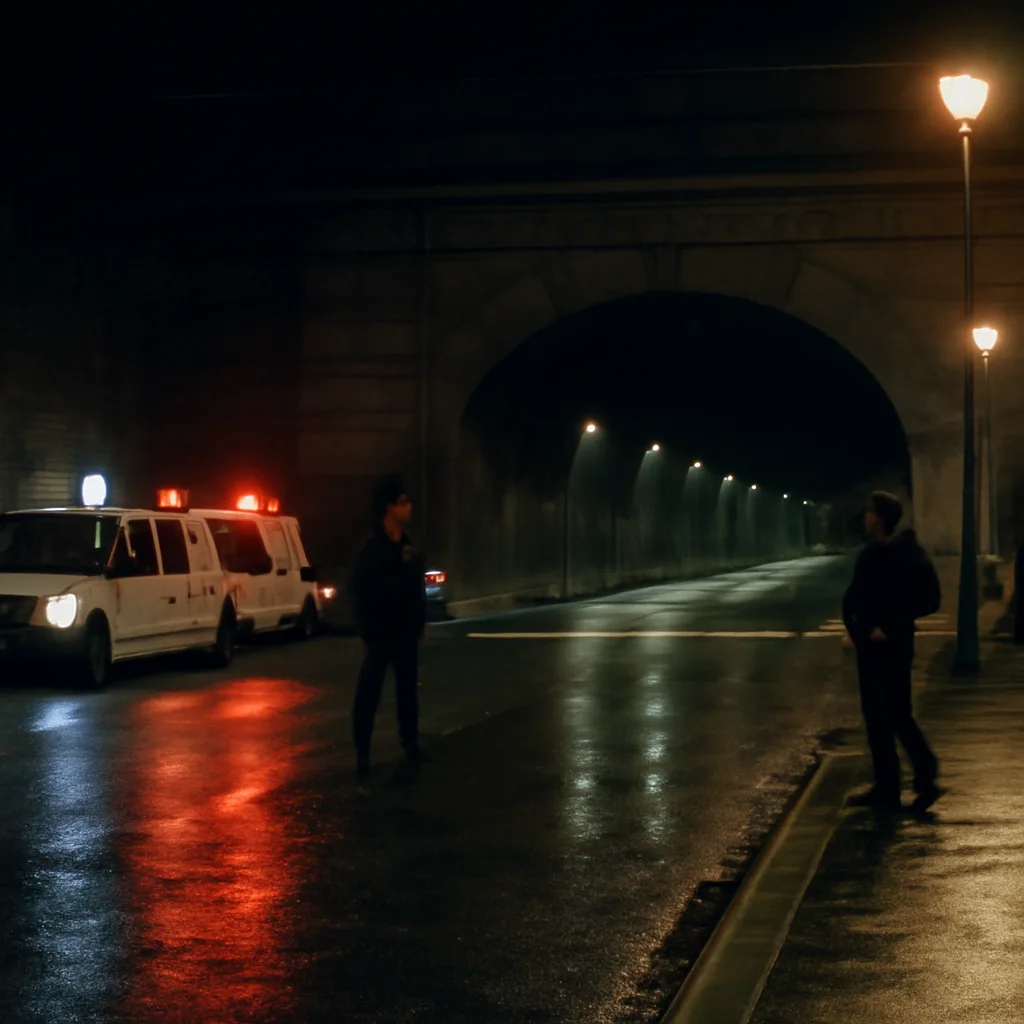
On 31 August 1997, Diana, Princess of Wales, was fatally injured in a high-speed car crash in the Pont de l'Alma tunnel in Paris. The collision, which also killed her companion Dodi Fayed and the driver, prompted worldwide shock and an extensive French and British investigation.
On the night of 31 August 1997, Diana, Princess of Wales, sustained fatal injuries in a traffic collision in the Pont de l'Alma tunnel in Paris. Diana and her companion, Dodi Fayed, had been leaving the Ritz Hotel after an evening during which they were reportedly pursued by photographers. Their vehicle, a Mercedes-Benz S280, was being driven by Henri Paul, the deputy head of security at the Ritz, with bodyguard Trevor Rees-Jones in the front passenger seat.
Shortly after midnight the car entered the Pont de l'Alma tunnel and collided at high speed with a concrete pillar. Dodi Fayed and Henri Paul were pronounced dead at the scene; Diana was transported to the Pitié-Salpêtrière Hospital, where she died in the early hours of 31 August from injuries sustained in the crash. Trevor Rees-Jones survived but was seriously injured. Another passenger, Dodi Fayed's bodyguard, also died.
The immediate aftermath was marked by intense media attention and an outpouring of public grief in the United Kingdom and around the world. Spontaneous memorials formed outside Kensington Palace, and tributes poured in from political leaders and members of the public. The circumstances of the crash, including the roles of the driver, the pursuing photographers, and whether seat belts were worn, became subjects of widespread scrutiny and debate.
French police conducted the initial investigation. Toxicology tests later indicated that Henri Paul had a high blood-alcohol level at the time of the crash. French judicial inquiries concluded in 1999 that the crash resulted from the driver’s loss of control while intoxicated and driving at a high speed to evade paparazzi. In Britain, a lengthy Metropolitan Police investigation, Operation Paget, reviewed conspiracy claims and published its report in 2006, finding no evidence of a plot to kill Diana and concluding the deaths were the result of a combination of the driver’s impairment, excessive speed, and the pursuing photographers.
Diana’s death had significant public and institutional repercussions. It prompted a debate about press behaviour and the intrusion of paparazzi into the lives of public figures, leading to calls for changes in media practices and privacy protections. The royal family’s response to Diana’s death, initially criticized as distant, led to an unprecedented public display of mourning by Queen Elizabeth II and other royals. Diana’s funeral on 6 September 1997 at Westminster Abbey was watched by an estimated global television audience of hundreds of millions.
Legally, civil actions followed. In 2008, a UK inquest jury returned a verdict of “unlawful killing” by the reckless driving of Paul and the pursuing vehicles. The findings reaffirmed that the crash was caused by serious failures in driving rather than by a planned act. Several photographers who had followed the Ritz convoy were investigated; charges were not sustained in relation to causing the crash itself, though the incident intensified scrutiny and ethical debate around tabloid photography.
Diana’s death transformed public perceptions of the monarchy, media, and celebrity culture. She remains a subject of public interest for her charitable work, her role in modernizing the image of the royal family, and the continuing discussions about press ethics and privacy. Some questions and conspiracy theories persisted despite official inquiries; the principal conclusions of the investigations attribute the deaths to a combination of driver impairment, high speed, and the presence of pursuing vehicles.