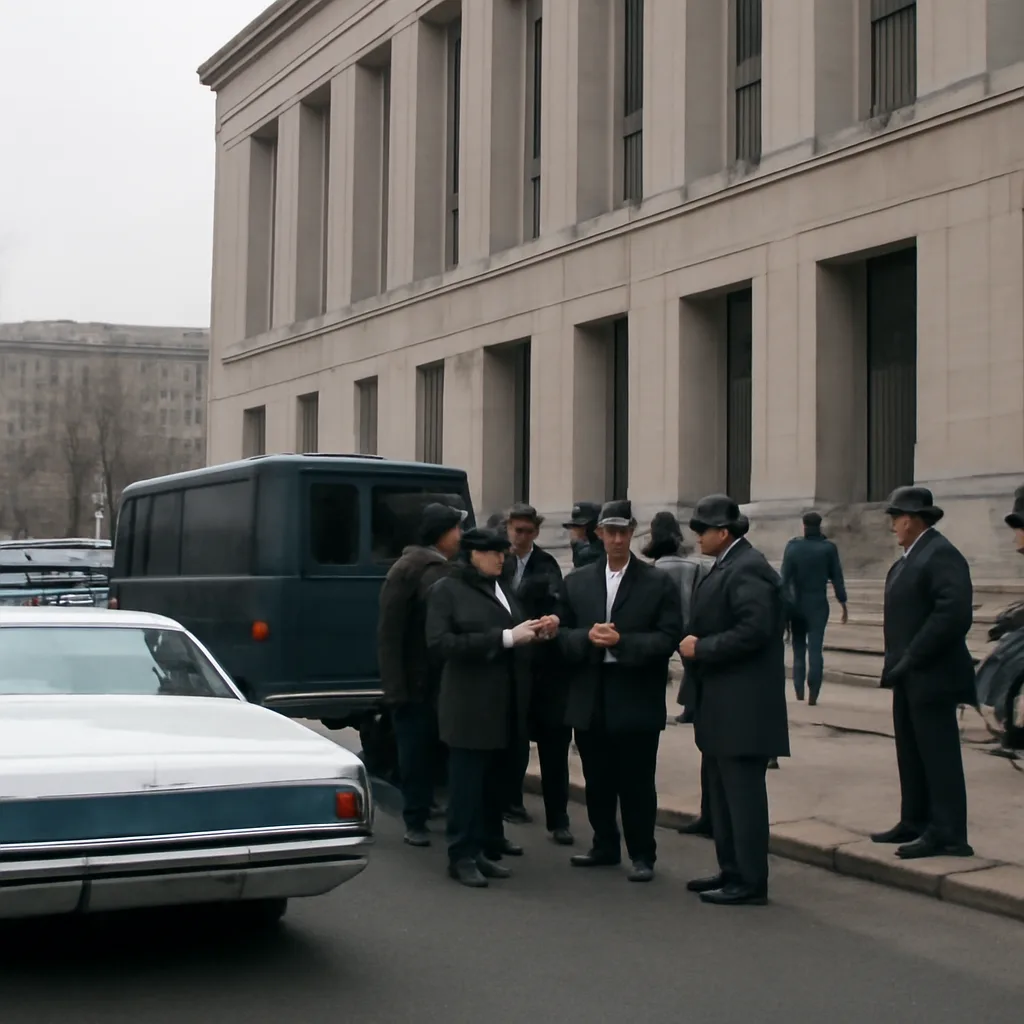
Major Crackdown: New York City Mafia Bosses Arrested in 1985 Sweep
On December 16, 1985, federal and local authorities arrested multiple leaders of New York City’s organized crime families in a coordinated operation that followed extended investigations into racketeering, extortion and labor-influence schemes.
On December 16, 1985, law enforcement conducted a high-profile set of arrests targeting senior figures in New York City’s organized crime families. The indictments and arrests were the result of long-running investigations by federal agencies, often working with local law enforcement, into racketeering activities including extortion, loan sharking, illegal gambling, and attempts to exert influence over labor unions and construction contracts.
Background and investigations
Throughout the late 1970s and early 1980s, prosecutors intensified efforts to dismantle organized crime by using RICO (Racketeer Influenced and Corrupt Organizations Act) statutes and cultivating cooperating witnesses and court-authorized electronic surveillance. These tactics allowed investigators to connect higher-level figures to criminal enterprises that traditionally insulated bosses from direct involvement. Grand jury investigations and federal indictments in this period reflected a strategic shift: pursue leaders by proving patterns of racketeering activity rather than relying only on witnesses to testify about direct crimes.
The arrests and charges
On the day of the sweep, authorities executed arrest warrants and searches targeting reputed leaders and influential members across several New York-based crime families. Charges commonly brought in cases of this type included racketeering, conspiracy to commit extortion, bribery, and other offenses tied to schemes involving unions, the construction industry, and illicit gambling operations. Some defendants were accused of using loan-shark networks and violence or threats to maintain control over territories and rackets.
Legal and public impact
The arrests drew widespread media attention and were presented by prosecutors as evidence that organized crime’s upper ranks were vulnerable to modern investigative tools. Successful prosecutions in such cases often led to prison sentences for high-ranking figures and disrupted criminal enterprises by creating leadership vacuums and distrust within organizations. However, law enforcement officials and scholars have noted that the removal of top bosses did not always end criminal activity; in many instances, mid-level members or rival factions moved to fill vacated roles.
Historical context and significance
The mid-1980s marked a period when federal prosecutors increasingly relied on RICO, flipped witnesses, and surveillance to secure convictions against organized crime figures who had previously avoided prosecution. High-profile arrests in this era contributed to a gradual decline in the public prominence and overt control that traditional “Cosa Nostra” families exerted in earlier decades, particularly over unions and certain industries in New York City. Nonetheless, historians and law-enforcement analysts caution against overstating immediate dismantling; organized crime adapted, shifted operations, and occasionally reconstituted under different leadership or structures.
Uncertainties and reporting constraints
Precise lists of arrested individuals, specific counts, and subsequent case outcomes varied by indictment and courtroom proceedings. Some defendants pleaded guilty, others went to trial, and outcomes ranged from convictions and sentencing to acquittals or dismissed charges. Where contemporary reporting or later legal records conflict, court documents and appeals provide the authoritative record for individual case outcomes.
Aftermath
In the years following major prosecutions of the 1980s, federal efforts to prosecute RICO cases and expand anti-corruption initiatives continued. Combined with changes in the economy, labor-management practices, and continued law enforcement pressure, these actions contributed to a reduced, though not eliminated, public role for traditional organized crime families in New York’s visible economic and civic life.
Note: This summary is based on widely reported patterns of law-enforcement activity and prosecution strategies used in the mid-1980s against organized crime in New York City. For verification of specific indictments, arrest lists, or case outcomes from December 16, 1985, consult primary sources such as contemporaneous court records and major newspaper archives.