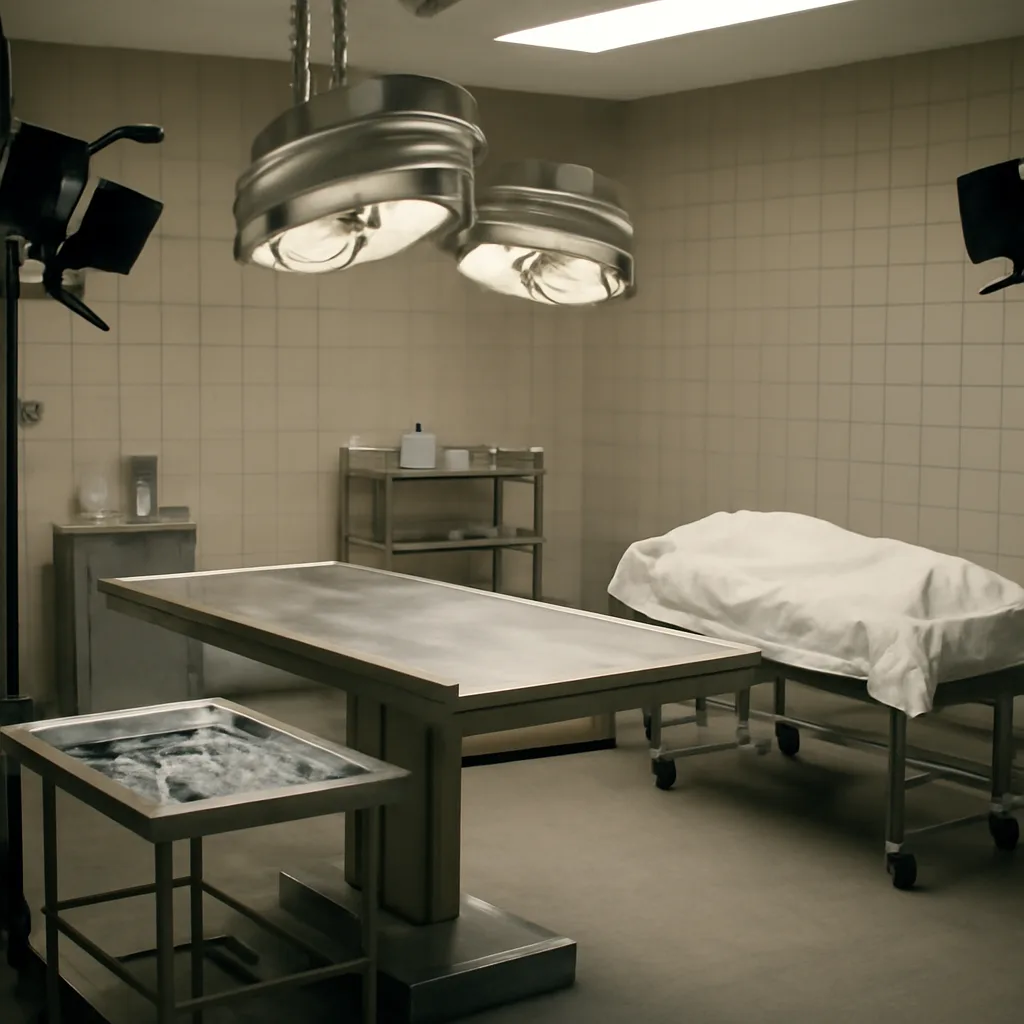
Televised Autopsy Airs on U.S. Television for First Time
On February 8, 1975, a U.S. television program broadcast an autopsy for the first time, sparking debate about medical transparency, journalistic boundaries, and public sensitivity to death.
On February 8, 1975, American television carried what is widely cited as the first televised autopsy in the United States. The broadcast occurred during an era when television news and documentary programs were expanding boundaries of subject matter and form, seeking to present more direct coverage of social and medical realities. Airing an autopsy on national television brought questions about ethics, consent, public interest, and the role of broadcast media into sharper public view.
Context
During the 1960s and 1970s, television journalism and documentary production increasingly treated previously private or taboo subjects—such as poverty, illness, and the processes of medicine—with unflinching visual detail. Medical education had long used cadaver dissection in controlled academic settings, but presenting such procedures to a mass public audience was novel. Producers and journalists argued that televising an autopsy could demystify medical practice, educate viewers about causes of death, and confront social problems such as substance abuse and violence with concrete evidence. Critics warned about sensationalism, disrespect to the deceased and families, and potential psychological harm to viewers.
The Broadcast
Contemporary press coverage identifies a specific program that aired an autopsy sequence on February 8, 1975. Accounts describe program producers arranging to film a postmortem examination with medical professionals performing the procedure in a morgue or hospital setting, and with editorial framing intended to inform viewers about the medical findings and their relevance. Details about the specific station, producer, and participating clinicians are available in historical media coverage and trade press of the period; some program materials and reviews emphasized educational intent rather than shock value.
Reception and Debate
Reactions to the broadcast were mixed. Supporters praised the program for providing concrete information about cause of death and for challenging public reticence about medical realities. They argued such reporting could improve public health awareness and reduce myths about death and disease. Opponents criticized the decision as exploitative or voyeuristic, raised concerns about informed consent from the deceased’s family, and questioned whether commercial broadcasting was an appropriate venue for such intimate medical images. News organizations, medical societies, and broadcasting regulators discussed whether standards or guidelines should be adopted for televising graphic medical material.
Legacy
The 1975 televised autopsy contributed to ongoing debates about media ethics and the public’s right to know. It signaled a willingness among some television producers to use graphic imagery to advance educational and journalistic aims, a trend that continued in subsequent decades with programs addressing medical procedures, forensic investigations, and death. The episode also influenced newsroom policies and professional guidelines concerning consent, viewer advisories, and the contextual framing of sensitive material. Over time, broadcasters generally adopted clearer practices such as advance warnings, limiting graphic detail, and ensuring informed consent from next of kin when feasible.
Notes on Sources and Disputed Details
Contemporary newspaper and broadcast-industry reports document a televised autopsy airing on February 8, 1975, but some specifics—such as the precise program title, station, and individual participants—are variably reported across sources. Where particulars remain uncertain or differ among accounts, this summary notes the existence and significance of the broadcast without assigning disputed attributions as definitive.