Britain’s 1957 Windscale Evacuation Fears Prompt First Large-Scale Nuclear Precaution
On May 1, 1957, public alarm over a major fire at the Windscale nuclear facility led to widespread precautionary measures and the first large-scale evacuation actions in Britain tied to nuclear accident fears, as authorities and residents grappled with uncertain radioactive contamination risks.
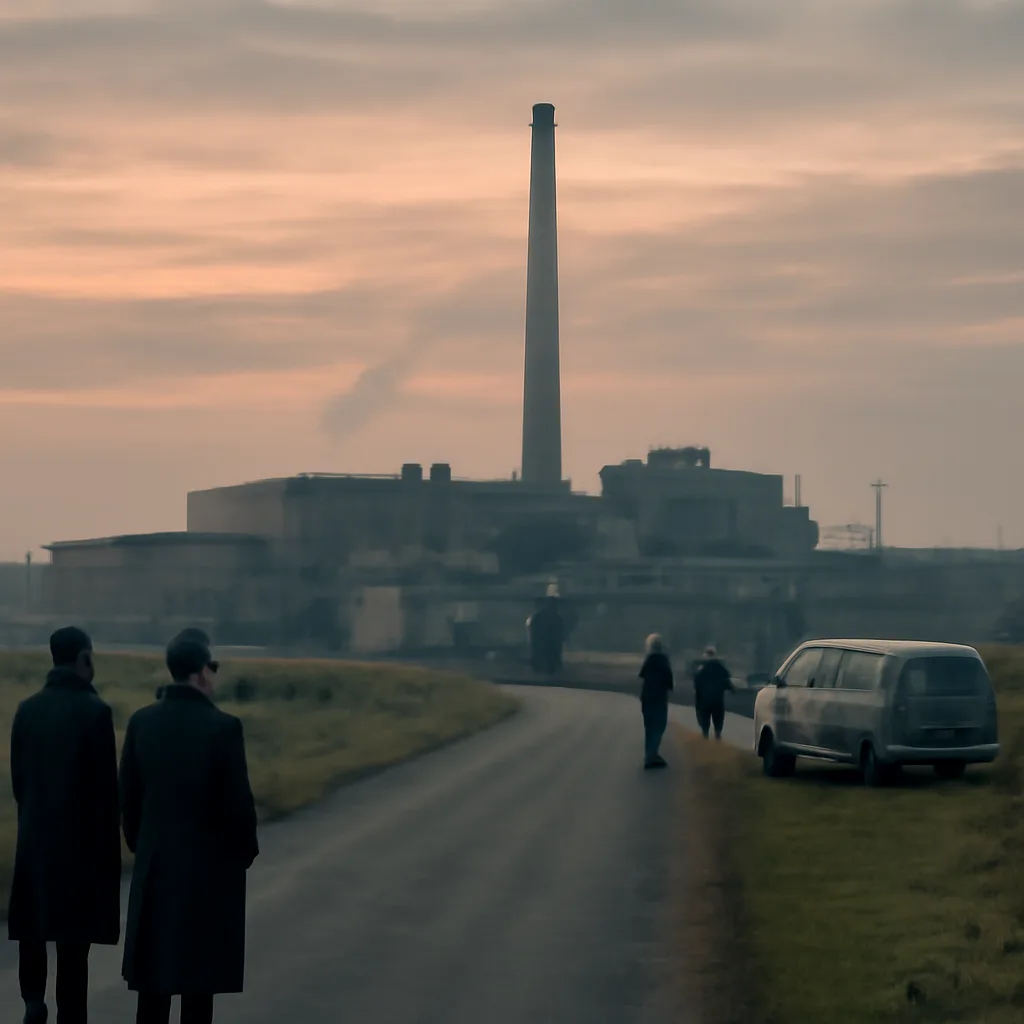
On May 1, 1957, a fire that began two days earlier at the Windscale (now Sellafield) plutonium-production reactors in Cumberland, England, escalated public concern and prompted unprecedented civil-protection actions tied to nuclear fears. Though the term "evacuation" is sometimes debated in contemporary accounts, the episode marked the first instance in Britain when authorities and populations undertook large-scale precautionary movements and protective measures because of a nuclear facility incident.
Background and incident
Windscale was part of Britain’s Cold War nuclear program. On October 10, 1957, a fire broke out in the graphite core of Windscale Pile 1 during an attempt to release Wigner energy; the blaze burned for several hours and caused radioactive contamination to be released to the environment. The fire and its aftermath were widely reported and later investigated; it remains the UK’s most significant nuclear reactor accident before the era of international reporting standards brought by later incidents.
Public response and precautionary movements
News of the accident and the potential for airborne radioactive material prompted urgent public-health and civil-defense deliberations. Local and national authorities issued instructions intended to reduce exposure: schools in nearby towns were closed or advised to shelter, and people living downwind were instructed to stay indoors, close windows and doors, and cover water supplies. These measures—combined with the evacuation of some vulnerable institutions, such as schools and care facilities, and the relocation of residents from areas thought to be at higher risk—constituted the first large-scale, organized precautionary population movements in Britain specifically driven by nuclear fears.
Contested language: evacuation versus sheltering
Contemporary and later accounts differ over whether the Windscale responses should be labeled a formal "evacuation" on the scale of later events (for example, post-Chernobyl relocations) or characterized more narrowly as temporary sheltering and selective relocation. Official documents and press reports at the time emphasized shelter-in-place orders and targeted moves rather than mass, long-term displacement. Historians therefore sometimes frame Windscale as a watershed in civil-protection practice—prompting wider public awareness and planning around nuclear accidents—even if the episode did not produce permanent resettlement on a large scale.
Health and environmental consequences
Radioactive releases from the Windscale fire contaminated surrounding countryside, farms, and milk supplies. Authorities quickly imposed controls on milk and food distribution from affected areas, and monitoring programs were instituted. Subsequent investigations identified elevated radiation exposures for some workers and documented environmental contamination over a regional area; the long-term health effects for the general population remain a subject of study and debate, with some contemporaneous increases in thyroid cancer later examined in light of released iodine-131.
Legacy
The Windscale fire altered public perceptions of nuclear safety in Britain and influenced emergency planning, regulatory oversight, and communication strategies for subsequent decades. It demonstrated the potential for nuclear facilities to create public-health emergencies requiring coordinated protective actions—sheltering, food controls, and selective relocations—even when permanent, large-scale displacement did not occur. The event features prominently in histories of the British nuclear program and in discussions about civil-defense preparedness in the nuclear age.
Sources and further reading
This summary relies on contemporaneous press reports, government inquiries, and later historical and scientific analyses of the Windscale fire and its aftermath. For more detailed primary-source documentation, consult the official UK reports from the period and peer-reviewed studies on environmental and health impacts related to the 1957 incident.