
11/04/1979 • 4 views
U.S. Embassy in Tehran Seized by Iranian Students, 1979
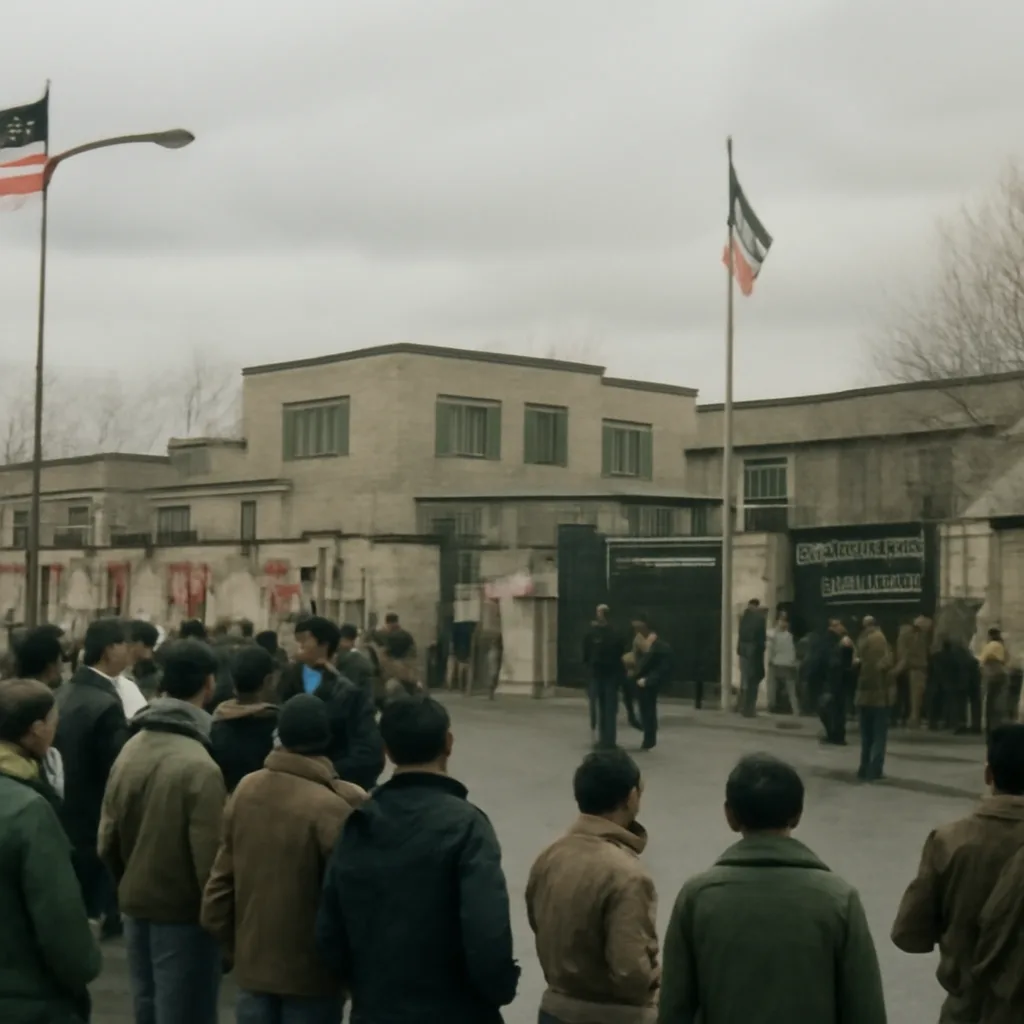
On November 4, 1979, militant Iranian students stormed the U.S. Embassy in Tehran and took 52 American diplomats and citizens hostage, beginning a 444-day crisis that reshaped U.S.-Iran relations and global diplomacy.
The attackers overran the embassy compound, capturing embassy staff and U.S. citizens present. In the immediate aftermath, 52 Americans were held hostage; additional personnel and dual nationals had differing fates, including earlier releases or escape. Hostages were confined in various locations and subjected to interrogations and public parading that were broadcast and photographed, fueling international attention and outrage. The hostage-taking prompted the Carter administration to cut diplomatic ties, freeze Iranian assets in the United States, and seek international condemnation and legal remedies.
The crisis had broad geopolitical consequences. It intensified domestic American political pressures during the 1980 presidential election, damaged President Jimmy Carter’s standing, and contributed to a climate that benefited Ronald Reagan’s successful presidential campaign. For Iran, the occupation became a symbol of revolutionary defiance toward perceived U.S. interference and helped consolidate the newly established Islamic Republic’s anti-American posture. The seizure also led to a prolonged breakdown in official U.S.-Iran diplomatic relations that endures in many forms.
Efforts to secure the hostages included diplomatic negotiations and covert operations. A U.S. military rescue mission, Operation Eagle Claw, launched in April 1980, ended in failure when mechanical problems and a ground-collision at the desert staging area killed eight American servicemen and forced an abort. International mediation and negotiation, including Algerian intermediaries, eventually produced terms for release. The hostages were freed on January 20, 1981—the day Ronald Reagan was inaugurated—after 444 days in captivity; Iran and the United States reached an agreement involving the unfreezing of Iranian assets and other financial arrangements negotiated through third parties.
Contemporary reactions varied. The United Nations General Assembly and many Western governments condemned the attack and called for the hostages’ release. Within Iran, opinions ranged from support among revolutionary activists who celebrated the act as resistance to criticism from Iranians who feared isolation and economic fallout. The event left lasting legacies: it entrenched mistrust between Tehran and Washington, influenced U.S. foreign policy toward the Middle East for decades, and became a pivotal episode in Iran’s post-revolutionary identity.
Historical assessments emphasize both the symbolic power of the embassy seizure and the tangible consequences it produced. While primary contemporary sources—diplomatic cables, news reports, and memoirs from participants—document the basic timeline and many details, debates persist about the degree of coordination between the student occupiers and Iran’s revolutionary leadership. The seizure remains a central episode for understanding the adversarial U.S.-Iran relationship and the ways revolutionary politics interact with international diplomacy.