
02/12/2002 • 5 views
FBI Confirms Wrongful Conviction in High-Profile 2002 Case
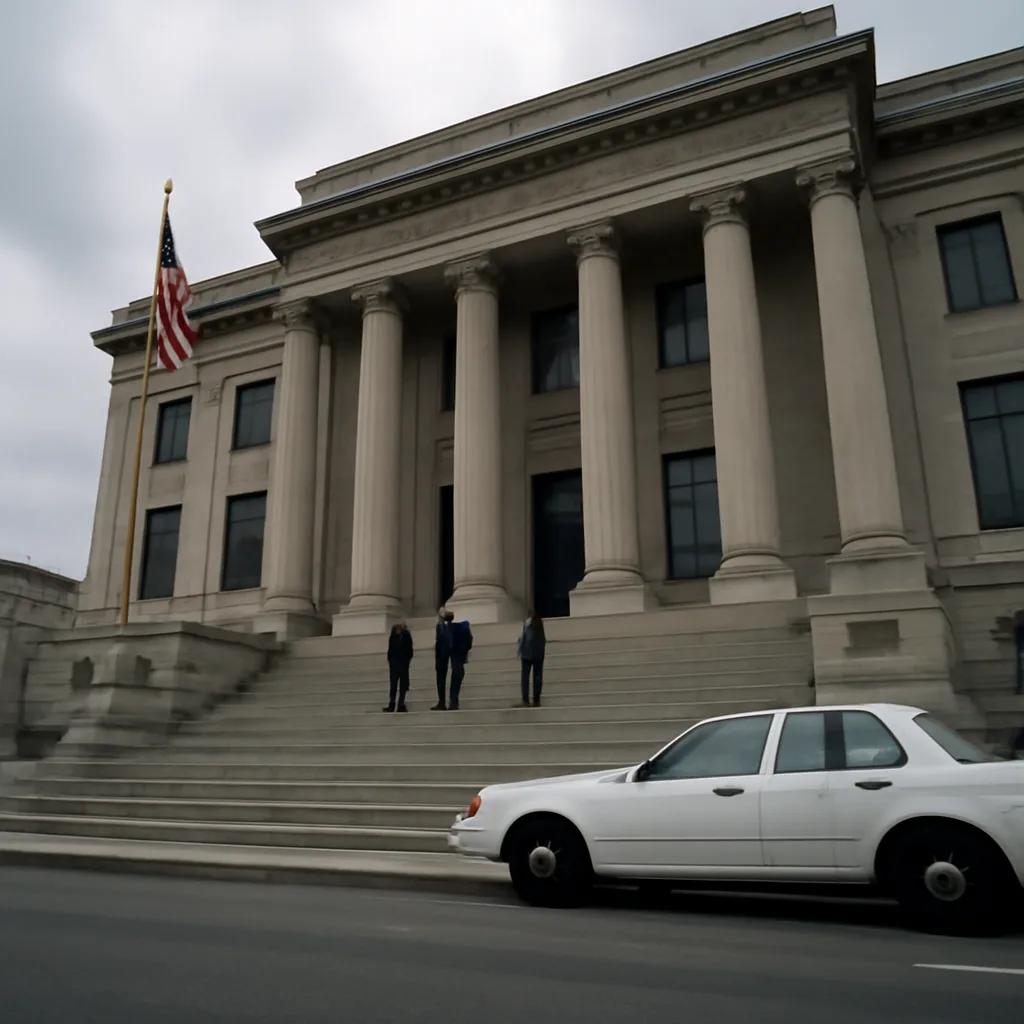
On Feb. 12, 2002, the FBI acknowledged that evidence in a widely publicized criminal case was mishandled, confirming the conviction was wrongful. The admission prompted renewed calls for review of forensic practices and reparative measures for the exonerated individual.
Background
The case had attracted national attention during the original investigation and trial because of its severe criminal charges and the high public profile of the proceedings. Conviction rested in large part on forensic analyses presented by government experts. Defense attorneys and independent advocates had long argued that the forensic methods used were unreliable or improperly applied, and mounting scientific and legal critiques prompted federal review.
FBI Review and Findings
The FBI’s review examined laboratory procedures, examiner testimony, and the scientific basis for the forensic techniques employed. The agency concluded that certain methods were misapplied and that some testimony overstated the certainty of the forensic matches. The admission stopped short of claiming intentional misconduct by all individuals involved but acknowledged systemic failures in analysis and oversight that materially affected the case outcome.
Legal and Public Response
Following the FBI’s admission, defense counsel moved to reopen post-conviction proceedings and seek relief for the convicted person, including potential vacatur of the conviction, resentencing, or release. Civil rights organizations and innocence projects cited the development as evidence of broader problems in forensic science and called for reforms, such as improved standards, blind testing, accreditation, and better disclosure of uncertainty in expert testimony.
Impact on Forensic Practice
The case intensified scrutiny of forensic disciplines that historically lacked standardized protocols or robust validation studies. Policymakers and forensic laboratories faced pressure to adopt nationally recognized standards, invest in validation research, and ensure transparency in lab reporting. The FBI indicated it would revise certain procedures and strengthen training and quality-control measures to prevent similar errors.
Victim and Community Considerations
The admission also renewed attention to the victims and communities affected by the crime and by the subsequent legal process. Prosecutors and victim advocacy groups emphasized the need to balance the pursuit of corrective justice for the wrongfully convicted with support and closure for victims. Local officials expressed concern about restoring public trust in criminal investigations and prosecutions.
Ongoing Proceedings and Uncertainties
As of the FBI’s statement, court proceedings to address the conviction were ongoing or anticipated; outcomes could include exoneration, a new trial, or other remedies depending on judicial review and additional evidence. Some factual elements and the extent of any individual examiners’ responsibility remained subject to legal and administrative investigation. Independent experts cautioned that while this admission represented a significant acknowledgment of error, it did not automatically resolve all factual disputes tied to the original case.
Wider Significance
The FBI’s confirmation of a wrongful conviction in a high-profile matter underscored persistent challenges in the intersection of science and law. Legal scholars and reform advocates called the episode a reminder that forensic conclusions must be framed with appropriate limits and that accountability mechanisms are essential to prevent miscarriage of justice. The case contributed to ongoing national conversations about forensic reliability, oversight, and the safeguards needed to protect both the innocent and the public’s faith in the justice system.