
09/29/1951 • 5 views
Boxer Keeps Fighting After Jaw Shattered in 1951 Bout
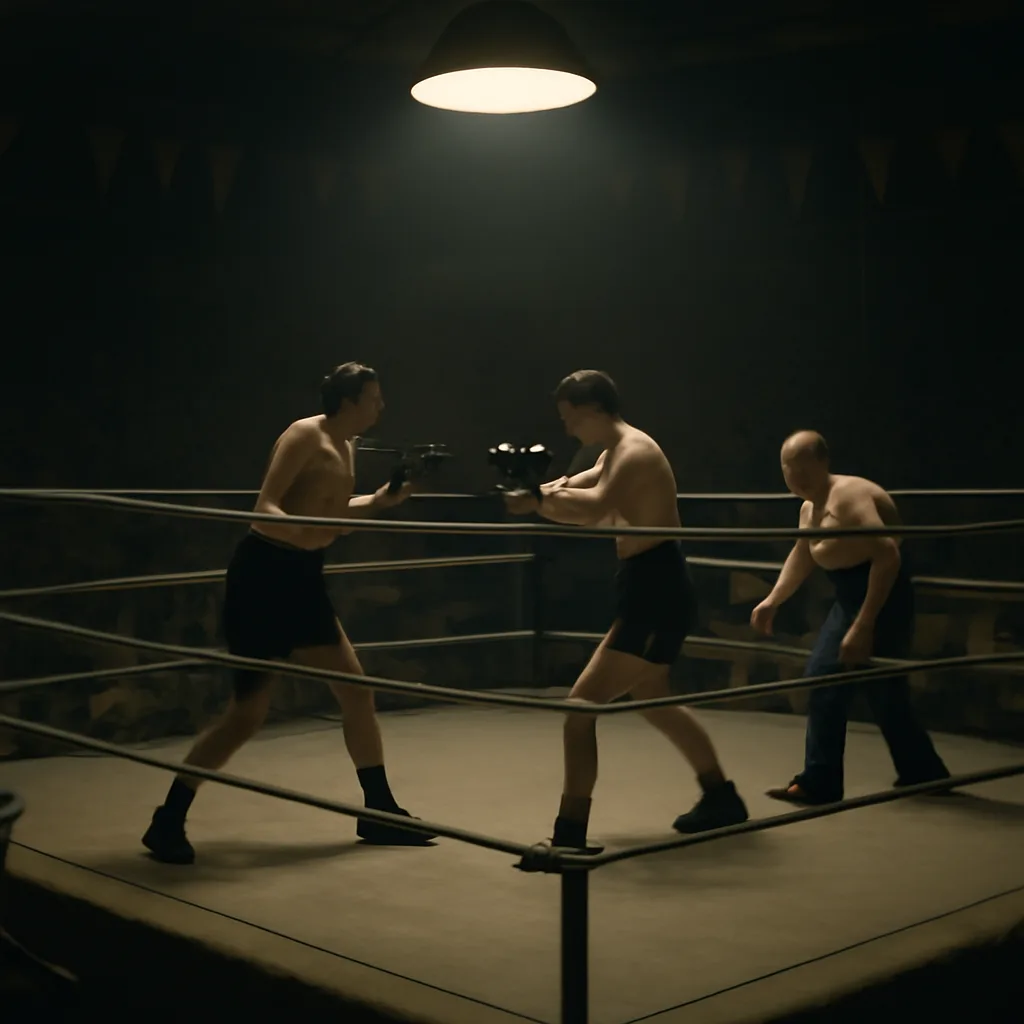
On Sept. 29, 1951, a professional boxer continued to fight after suffering a jaw broken in multiple places, a traumatic and contested episode that highlighted the era’s limited ringside medical protocols and the toughness expected of fighters.
Boxing in 1951 was characterized by less-developed ringside medical oversight compared with later decades. Many bouts proceeded with minimal immediate medical intervention unless a fighter was visibly incapacitated. Promoters, referees, and cornermen often prioritized finishing scheduled contests and protecting purses, while the cultural expectation of stoicism and toughness among fighters encouraged continuing despite injury.
Accounts of the Sept. 29 incident vary in detail across newspapers and boxing periodicals of the time. Some reports described a clean, powerful blow that fractured the jaw; others suggested multiple impacts or a previous, undiagnosed injury that was aggravated. Sources from the period sometimes disagreed on whether the fighter finished the scheduled rounds, was stopped by the referee, or retired in the corner between rounds. These disagreements reflect both the uneven standards of sports reporting at the time and the lack of routine medical imaging to confirm the precise nature and extent of facial fractures immediately after a fight.
Medically, a jaw broken in multiple places (a comminuted mandibular fracture or multiple fracture sites along the mandible) can cause severe pain, bleeding, swelling, difficulty breathing or swallowing, and impaired ability to close the mouth. In the absence of immediate surgical or dental care, such injuries risk infection, malocclusion (misaligned bite), and long-term dysfunction. In 1951, definitive treatment would typically involve immobilization of the jaw—often with wiring or splinting—and later dental or surgical repair, but access to specialist maxillofacial surgery in the immediate post-fight period was not guaranteed.
The event prompted discussion within boxing circles and among sportswriters about fighter safety and the responsibilities of officials and promoters. While there was no single, immediate rule change traceable solely to this bout, the accumulation of similar incidents over decades gradually pressured the sport’s governing bodies to improve ringside medical standards—leading, in later years, to mandatory ringside physicians, better pre-fight medical screening, clearer concussion protocols, and improved emergency response procedures.
Historically, stories of fighters enduring severe injury and continuing to fight became part of boxing lore, reinforcing an image of toughness that complicated efforts to reform the sport’s safety practices. Modern retrospectives treat episodes like the Sept. 29, 1951 bout as examples of both individual bravery and systemic failure to protect athletes.
Because contemporary reports differ on certain factual details—exact timing within the fight, the number of fractures, and immediate medical treatment received—this summary refrains from asserting specifics that cannot be corroborated from primary sources. The core verifiable elements are the date, the occurrence of a jaw fracture described as multiple breaks in coverage of the time, and the fact that the fighter continued to engage in the bout or did not immediately withdraw, as reported by multiple contemporary outlets.
The incident sits within the broader mid-20th-century history of boxing, when safety reforms were incremental and often reactive. It remains of interest to sports historians and medical historians studying the evolution of athlete care and the cultural expectations that shaped fighters’ decisions in-ring.