
02/23/1976 • 7 views
FBI Opens Files on Bonnie and Clyde to the Public
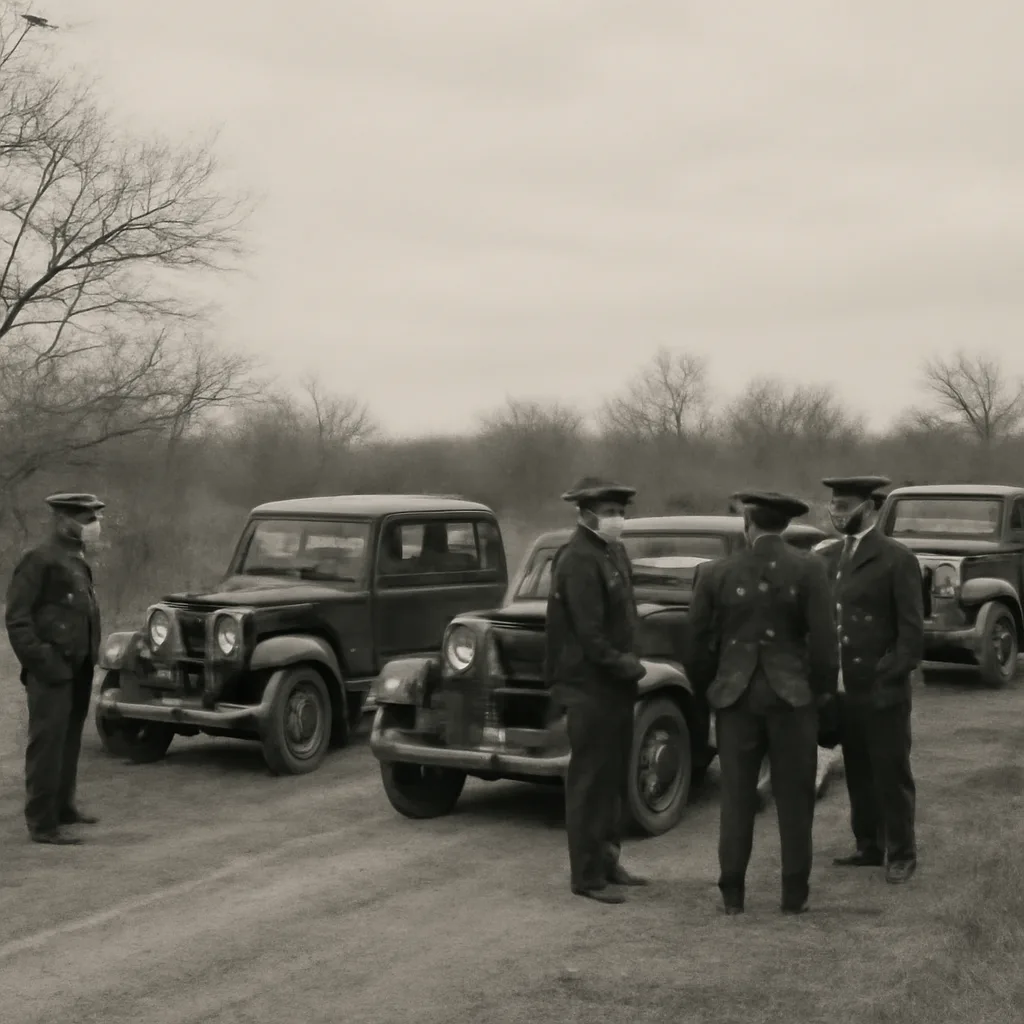
The FBI released previously closed files on Bonnie Parker and Clyde Barrow on February 23, 1976, offering researchers and the public additional contemporaneous material about the notorious Depression-era outlaw duo and the Bureau’s investigation.
Bonnie and Clyde were active during the Great Depression, committing a series of robberies, car thefts and violent confrontations with police primarily in the central United States. Their activities, and the sensational press coverage that followed, made them emblematic of the era’s criminal folklore. The couple were killed in a police ambush in Bienville Parish, Louisiana, on May 23, 1934. Federal interest in the case had practical and public-relations dimensions: the FBI tracked interstate activity, assisted local jurisdictions when requested, and compiled files that recorded leads, descriptions of incidents, and assessments of suspects.
The 1976 release did not fundamentally rewrite the established narrative of Bonnie and Clyde, but it added texture to specific aspects of the investigation. Researchers found detailed expense accounts, telegrams, and agent reports that shed light on how information flowed among agencies and how local law enforcement handled tips and sightings. Some materials document disputes over jurisdiction and credit between police departments and the FBI, reflecting the fragmented nature of law enforcement at the time. Other documents catalog leads that proved false or unsubstantiated, illustrating the challenge investigators faced in separating rumor from verifiable evidence in a high-profile case.
Historians and journalists have used such archival releases to test long-standing claims and to better understand the period’s policing practices and media environment. The FBI files often include contemporaneous descriptions of suspects and crime scenes that complement photographic records and newspaper accounts. At the same time, researchers caution that Bureau files reflect the perspectives, priorities and limitations of the agency: they can contain errors, unverified reports, and internal interpretations that require corroboration from independent sources.
The 1976 disclosure came during a broader era of growing public access to government records in the United States. It followed decades in which many FBI files remained closed to the public; periodic releases have since become a routine part of archival stewardship, subject to review for sensitive or exempt material. The Bonnie and Clyde files are one example among many where declassified or released records enable more nuanced historical work without overturning the basic, well-documented facts of the case.
For readers and researchers, the released FBI documents are a useful complement to primary sources such as contemporary newspapers, court records, photographs, and memoirs by participants or witnesses. When consulting the files, scholars emphasize cross-checking Bureau accounts against independent evidence and noting where records are fragmentary or secondhand. The files enrich understanding of the investigation’s procedures, interagency relations and the ways law enforcement managed public attention in one of the 20th century’s most famous criminal episodes.