On this day: February 27
The 1910 Boston Correspondence Hoax: An Early Case of Impersonation by Letter

In late February 1910, a Boston newspaper and several private individuals were deceived by a series of anonymous letters and forged identities—an episode historians sometimes cite as an early documented instance of literary impersonation or "catfishing" by correspondence.
Olympic Medalist Later Revealed to Be an Impostor

A person who stood on the Olympic podium on February 27, 2008, was revealed years later to have competed under false pretenses, prompting reviews of records and renewed scrutiny of verification procedures within the sport's governing bodies.
1962: The First Documented Case of Fraudulent 'Psychic Surgery'

On February 27, 1962, investigators documented what is widely regarded as the first recorded case of deliberate fraud involving 'psychic surgery'—a theatrical procedure performed to simulate the removal of disease without medical instruments or incisions.
A 1910 Impersonation Scandal: An Early Case of Catfishing-Style Fraud
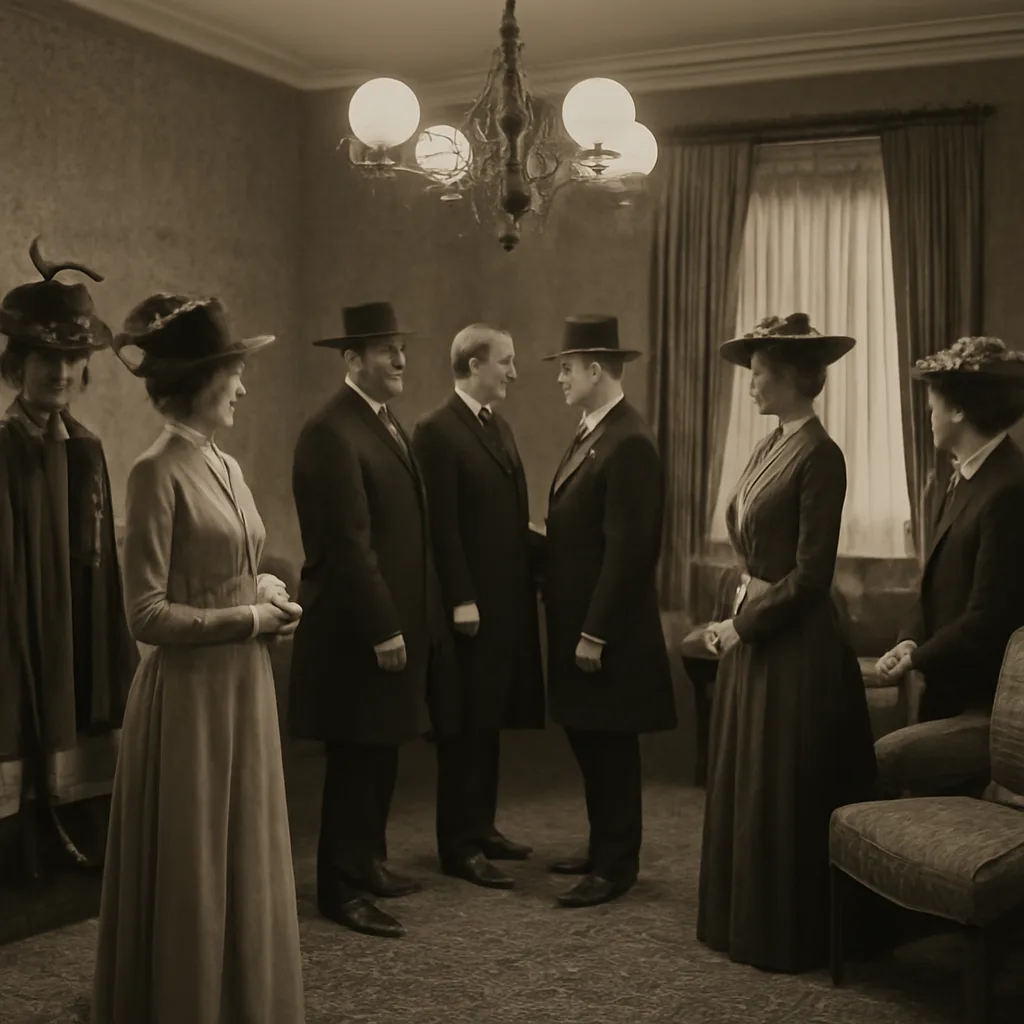
In February 1910 a New York social circle was shaken when a woman using another’s identity secured introductions and money—an early documented instance resembling modern “catfishing.” The case exposed vulnerabilities in personal networks and press reporting of the era.
A 1910 Impersonation Scandal: Early Case of Romance Fraud

In February 1910 a widely reported impersonation scheme exposed how newspapers and personal ads could be used to deceive suitors and obtain money—an antecedent to modern “catfishing” that relied on letters, false identities, and social trust.
The First Documented 'Catfishing' Scandal: The 1910 Boston Correspondence Hoax

In February 1910 a Boston social scandal emerged when letters and telegrams revealed a long-term deception in which a man posed as a genteel young woman in correspondence, exposing early media and social anxieties about identity and reputation.