On this day: February 3
Feb. 3, 1959 plane crash kills Buddy Holly and two other musicians

On Feb. 3, 1959, a Beechcraft Bonanza carrying musicians Buddy Holly, Ritchie Valens and J.P. “The Big Bopper” Richardson crashed near Clear Lake, Iowa, killing all three and the pilot. The accident marked a turning point in rock history and is widely remembered as "The Day the Music Died."
First Confirmed Human Case of Radiation Sickness Identified, February 3, 1946

On February 3, 1946, physicians documented what is widely recognized as the first confirmed human case of acute radiation sickness—linked to early medical and industrial x-ray exposures and wartime atomic testing—marking a pivotal moment in occupational and public health history.
A 1946 Diagnosis: The First Documented Human Case of Radiation Sickness

On February 3, 1946, physicians in the United States reported what is widely regarded as the first documented clinical diagnosis of acute radiation sickness in a human, marking a turning point in medical recognition of ionizing radiation’s dangers.
First Confirmed Case of Plague in Modern Europe: Marseille, 1720

On February 3, 1720, Marseille recorded the first confirmed case of bubonic plague in Europe in the early modern period, a single infection that heralded a devastating outbreak—the Great Plague of Marseille—that would kill tens of thousands and reshape local public health responses.
CIA Acknowledges Cold War LSD Experiments on Civilians

On Feb. 3, 1977, the CIA publicly confirmed it had administered LSD to unwitting civilians as part of Cold War-era research into mind control and interrogation techniques, revelations that intensified debate over ethical and legal oversight of intelligence programs.
The 1720 Marseille Plague: France's Deadly Return of the Black Death

In 1720, Marseille became the center of a devastating bubonic plague outbreak—introduced by the ship Grand-Saint-Antoine—that killed tens of thousands in Provence and reshaped public health responses in early modern Europe.
Three Musicians Killed in 1959 Iowa Plane Crash Near Clear Lake

On a winter night in early February 1959, a small plane carrying three touring musicians crashed into a clear lake near Clear Lake, Iowa, killing all aboard and prompting national attention to the risks of winter flying for entertainers.
Three Musicians Die in 1959 Plane Crash Near Clear Lake, Iowa

On Feb. 3, 1959, rock-and-roll musicians Buddy Holly, Ritchie Valens and J.P. “The Big Bopper” Richardson were killed when their small charter plane crashed shortly after takeoff near Clear Lake, Iowa, a tragedy later dubbed “The Day the Music Died.”
Plane crash on Feb. 3, 1959, kills Buddy Holly and two other musicians
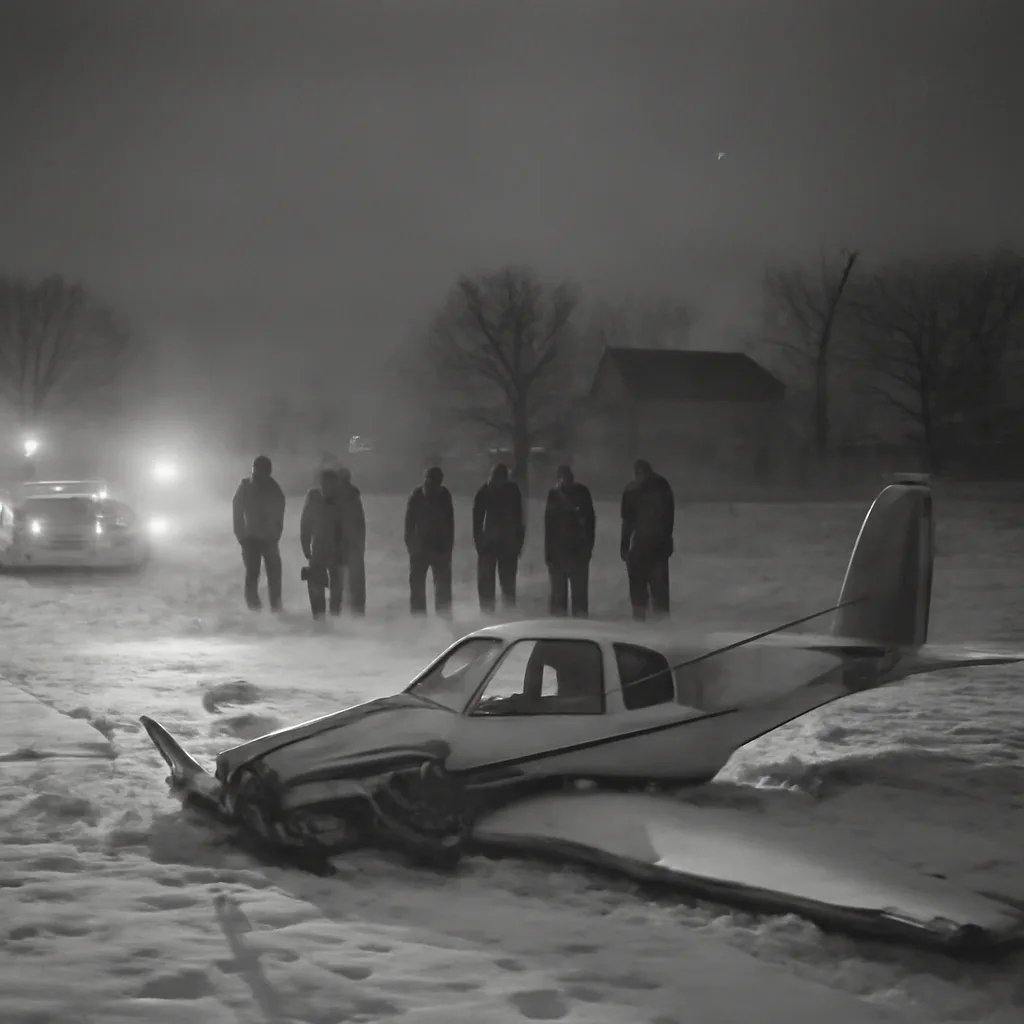
On February 3, 1959, a small charter plane carrying rock-and-roll musicians Buddy Holly, Ritchie Valens and J.P. “The Big Bopper” Richardson crashed shortly after takeoff near Clear Lake, Iowa, killing all on board and marking a turning point in popular music history.
1951 Recall: First Confirmed Case of a Dangerous Children's Toy

On February 3, 1951, U.S. authorities publicly confirmed the first recorded recall of a hazardous children’s toy after reports linked a popular lead-painted toy to poisoning incidents, prompting manufacturers and regulators to act.