
← Back
10/11/1968 • 4 views

Apollo 7 Launches, Restoring U.S. Crewed Spaceflight After Apollo 1 Tragedy
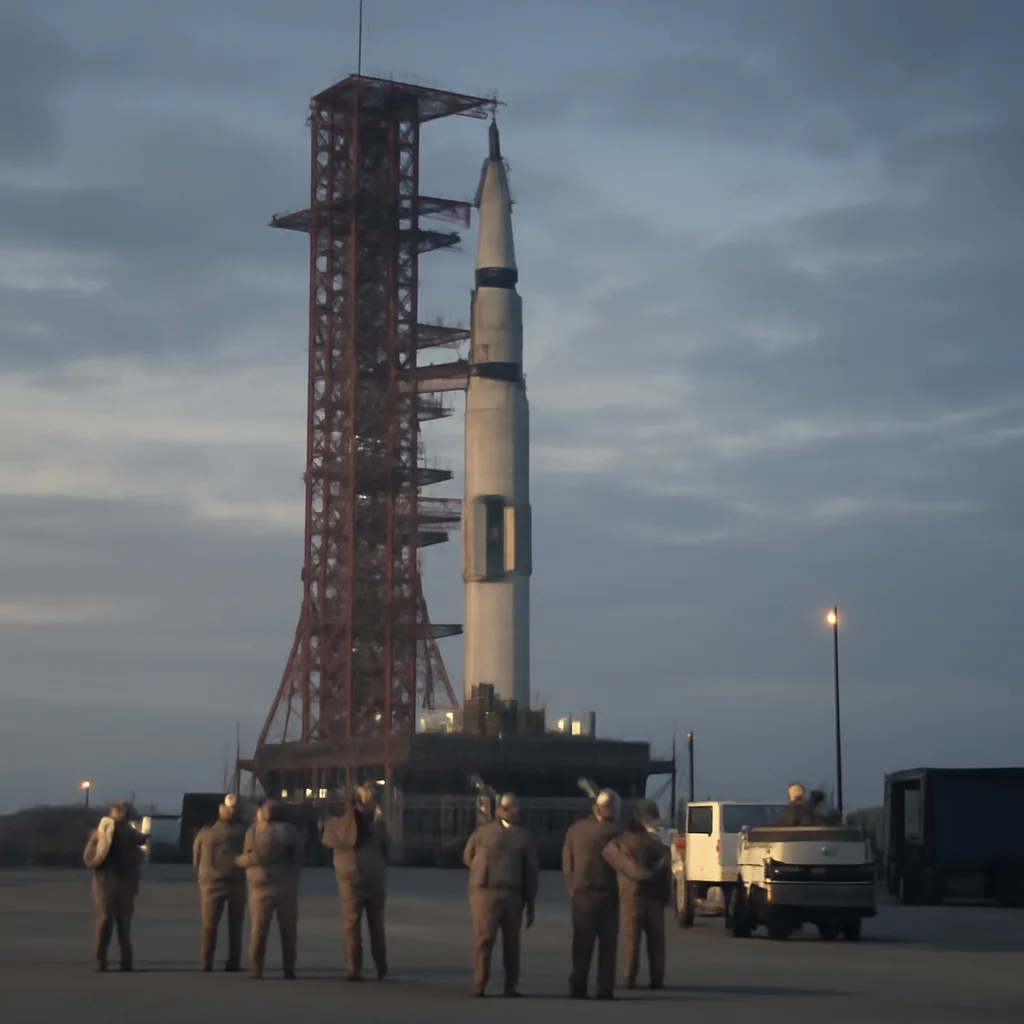
Saturn IB rocket on the launch pad at Cape Kennedy with Apollo 7 crew support equipment and technicians nearby, early morning light; no identifiable faces visible.

On October 11, 1968, NASA launched Apollo 7, the first crewed Apollo mission to fly after the Apollo 1 cabin fire, conducting an 11-day Earth-orbital test of the Command/Service Module and helping restore confidence in the program.


On October 11, 1968, NASA launched Apollo 7 from Cape Kennedy (now Cape Canaveral), marking the United States' return to crewed spaceflight following the January 1967 Apollo 1 cabin fire that killed three astronauts and prompted a major program overhaul. Piloted by Commander Wally Schirra, Command Module Pilot Donn Eisele and Lunar Module Pilot Walter Cunningham, Apollo 7 was an 11-day Earth-orbital mission aimed at testing the Command/Service Module (CSM) systems in realistic flight conditions and demonstrating crew performance and life-support reliability.

Background and purpose
After the Apollo 1 fire during a January 27, 1967 ground test, NASA grounded crewed Apollo flights while conducting extensive investigations and redesigns. The fire exposed critical safety shortcomings in materials, wiring, atmosphere management, and procedures. Over the next year and a half, engineers replaced flammable materials, modified the cabin atmosphere and hatch design, revised wiring and plumbing, and improved systems where reviewers had found vulnerabilities. Apollo 7 was selected as the first crewed flight to validate those changes and to exercise CSM systems under the stresses of actual orbital operations.

Mission highlights
Apollo 7 launched atop a Saturn IB rocket and remained in low Earth orbit. The crew conducted the first live television broadcasts from an American spacecraft, performed extensive CSM systems checks, and tested the service propulsion system, guidance and navigation, communications, and environmental controls. The mission executed rendezvous maneuvers and orbital operations planned for later lunar missions' translunar injection and rendezvous profiles. Flight data and crew reports helped certify the CSM for subsequent lunar flights.

Operational and programmatic significance
The success of Apollo 7 restored momentum to the Apollo program and reassured both the public and NASA leadership that the design and procedural changes implemented after the Apollo 1 accident had addressed major safety concerns. The flight cleared the way for Apollo 8’s lunar orbital mission in December 1968 and ultimately contributed to the program achieving President John F. Kennedy’s goal of landing humans on the Moon before the end of the 1960s. Apollo 7 did not include a Lunar Module; subsequent missions resumed lunar mission objectives after the CSM had been validated.

Crew dynamics and public reaction
The Apollo 7 crew had reputations as experienced aviators and test pilots. Their straightforward reporting of onboard conditions and candid interactions during live television broadcasts made the mission highly visible to the public. The successful flight helped rebuild confidence in NASA’s human spaceflight capabilities after the earlier tragedy, though the program continued to face technical and schedule challenges as it moved toward lunar operations.

Legacy
Apollo 7’s careful in-orbit testing provided crucial verification of spacecraft systems and operational procedures. By demonstrating that the spacecraft, life-support systems, propulsion, and crew performance were reliable in orbital flight, Apollo 7 enabled NASA to proceed with more ambitious missions, including the first crewed flight to orbit the Moon. The mission is remembered as a cautious, methodical step that balanced the urgency of the lunar goal with a renewed emphasis on crew safety and engineering rigor following Apollo 1.

Notes on sources and accuracy
This summary is based on historical records and widely reported mission facts: launch date, crew roster, mission duration and objectives, and its role following the Apollo 1 accident. Quotations, private communications, or unpublished internal documents are not used here. Where specifics of crew interactions or internal deliberations are described in general terms, they reflect commonly documented accounts rather than new or unverified claims.

Share this

Email Share on X Facebook Reddit

Did this surprise you?