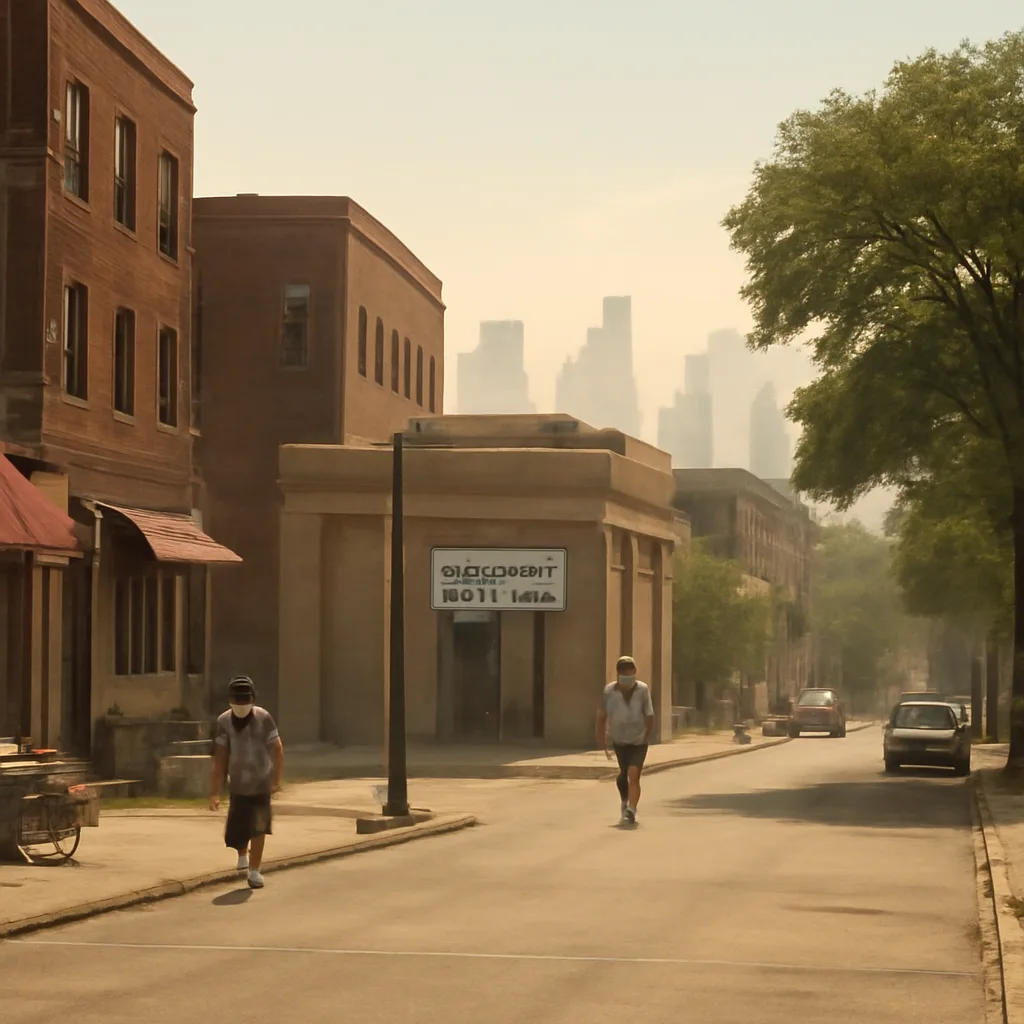
Chicago’s 1995 Heat Wave: Hundreds Die as City Struggles to Cope
A brutal heat wave that began in early August 1995 overwhelmed Chicago’s infrastructure and social safety nets, causing hundreds of deaths—particularly among the elderly, isolated, and poor—and prompting changes in public health and emergency response.
In the first week of August 1995, Chicago was struck by an intense heat wave that would become one of the deadliest weather-related disasters in U.S. history. Beginning August 5, temperatures and humidity remained dangerously high for several consecutive days, producing heat indices well above 100°F (38°C) that persisted overnight and denied many residents relief. The prolonged extreme heat, coupled with social and infrastructural vulnerabilities, led to a sharp rise in heat-related illnesses and deaths.
The mortality toll from the event remains a subject of study and some debate; official and scholarly estimates generally place the number of deaths in the range of roughly 465 to over 700 excess deaths across the Chicago region during the heat wave. Those most at risk were elderly people living alone, residents of high-rise apartment buildings without working air conditioning, people with chronic medical conditions, and those experiencing poverty or social isolation. Heat-related deaths clustered in disadvantaged neighborhoods on the city’s South and West Sides.
Multiple interacting factors contributed to the disaster. The urban “heat island” effect—where concrete, asphalt and dense development retain heat—kept nighttime temperatures high. Many vulnerable residents lacked access to functioning air conditioning or could not afford the electricity to run it. Social isolation and limited outreach compounded the problem: routine checks on elderly neighbors were sometimes not made, and some heat-vulnerable individuals were not enrolled in or reached by safety-net programs. Emergency services and medical facilities were strained by surges in heatstroke and dehydration cases.
Media coverage and later investigations highlighted specific failures in public health preparedness and communication. City agencies and hospitals were criticized for delayed or inconsistent warnings, and some ambulances and emergency services faced capacity limits. At the same time, community organizations and volunteers provided crucial aid—opening cooling centers, performing welfare checks, and distributing water—actions that likely prevented additional deaths.
The 1995 heat wave had lasting policy and public-health consequences. It spurred Chicago and other U.S. cities to revise heat-emergency plans, improve surveillance for extreme-heat events, expand access to cooling centers, and invest in targeted outreach to vulnerable populations. Public-health officials emphasized the importance of social ties and community outreach in preventing heat-related mortality. Urban planners also cited the event when advocating for heat-mitigation strategies such as increased tree canopy, reflective roofing materials, and other measures to reduce urban heat islands.
Scholars continue to study the 1995 event as a case of how climate extremes interact with socioeconomic vulnerability and urban infrastructure. The heat wave is frequently referenced in discussions about climate change because rising average temperatures and more frequent heat extremes are expected to increase the risk of similar disasters in coming decades unless adaptation measures are strengthened.
While the precise death toll will likely never be known with absolute certainty—estimates vary by methodology and data sources—the 1995 Chicago heat wave remains a stark example of how extreme weather can disproportionately harm the elderly, the poor, and socially isolated people, and how preparedness, community networks, and urban design influence outcomes.