
← Back
09/22/2005 • 5 views

London police shoot dead suspect after failed subway bombing attempt
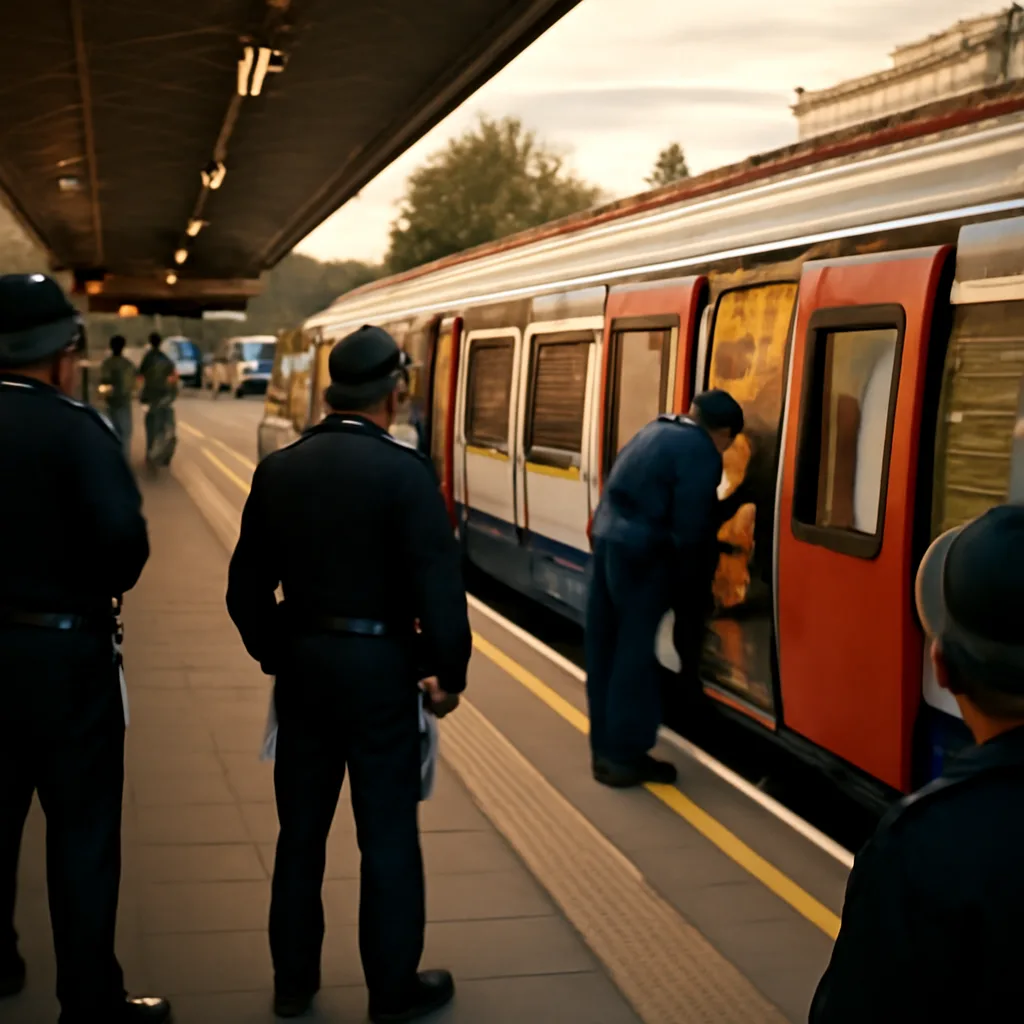
London Underground carriage and platform with emergency services presence; police cordon and investigators near train doors, no identifiable faces visible.

On 22 September 2005, London police shot and killed a man they said attempted to detonate an explosive device on a London Underground train; authorities treated the incident as terrorism and launched an investigation into the suspect and possible accomplices.


On 22 September 2005, Metropolitan Police officers shot and killed a man on a District line Underground train after he was reported to have attempted to detonate an improvised explosive device. The incident occurred during the evening rush on a commuter service, prompting an immediate armed response and the sealing of affected stations while specialist teams investigated.

Initial accounts from police and emergency services indicated that officers were responding to reports of a burning smell and smoke in a carriage. An armed response unit boarded the train and confronted a male passenger who police later said had an explosive device and had attempted to ignite it. Officers used firearms, and the man died at the scene. A second man was arrested at a nearby station in connection with the incident and was later held for questioning.

Explosive ordnance disposal teams inspected the device and the carriage; police described the device as an improvised explosive device that had failed to detonate as intended. Forensic teams carried out a systematic search of the train and adjacent stations, collecting evidence for laboratory analysis. The affected section of the Underground and surrounding area were closed temporarily while investigators established the facts and ensured there were no further threats.

Authorities treated the event as an act of terrorism from the outset. The Metropolitan Police's counterterrorism command led the criminal investigation, coordinating with other UK security and intelligence agencies. Police statements indicated a fast-moving operational response that prioritized public safety, forensic containment, and identification of any wider networks or motives behind the attack.

Public transport operators and municipal authorities implemented contingency measures, including service suspensions and advisories for passengers, while emergency responders and forensic specialists worked at the scene. Commuters and members of the public were asked to follow official guidance and to report any information that might assist the inquiry.

In the days following the incident, senior police officers and government officials provided updates about the investigation's progress, without releasing all operational detail. Media coverage documented the immediate disruption to London's transport network and the substantial police presence. Some reporting later focused on the background of those involved and any links to broader extremist activity; official findings and prosecutions, where they occurred, were handled through the established criminal justice process.

The shooting raised questions about on-board security, emergency response protocols in mass transit systems, and the balance between rapid armed intervention and minimizing casualties. Reviews and inquiries into the events examined police decision-making, the appropriateness of firearms use in a crowded public space, and lessons for preventing and responding to attempted attacks on public transport.

Given the gravity of the incident and its classification as terrorism-related at the time, official records, court documents (where applicable), and contemporaneous reporting provide the primary sources for detailed factual accounts. Some aspects of motive, planning, or wider conspiratorial links were subject to ongoing investigation or later legal proceedings; where conclusions were reached in court or via official statements, those findings form the most reliable basis for definitive statements.

Share this

Email Share on X Facebook Reddit

Did this surprise you?