
08/19/1986 • 5 views
Fan Interference Costs Pitcher No-Hitter in August 1986
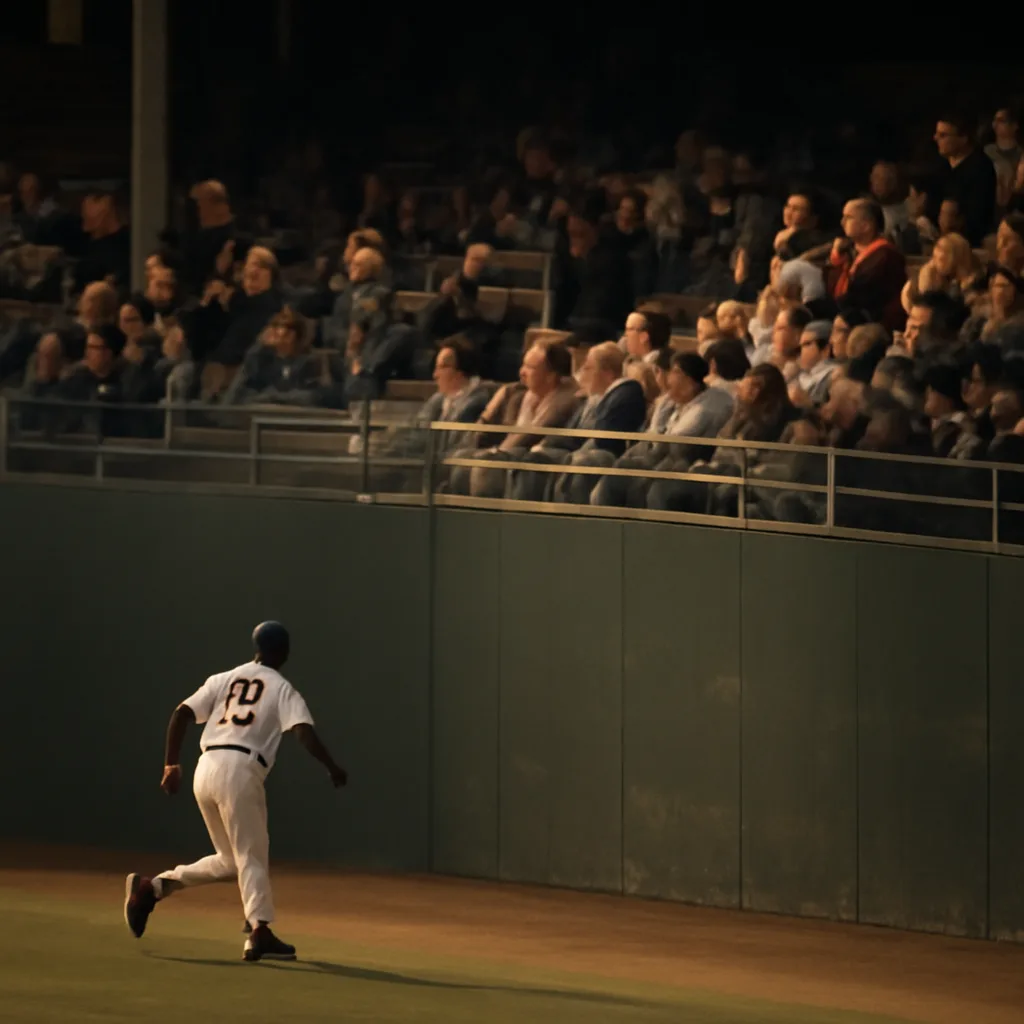
On August 19, 1986, a Major League Baseball pitcher's bid for a no-hitter was spoiled when a spectator reached over the railing and disrupted a play. The ruling and aftermath stirred debate about spectator interference and stadium sightlines.
The incident highlighted a recurring tension in baseball: the boundary between enthusiastic spectator involvement and actions that materially affect the game. Stadiums vary in how close fans sit to the field and how low or high the protective railings are; such architectural elements can directly influence whether a fan can reach into play. In this 1986 case, the visible proximity of fans to the field and the height of the railing were focal points in postgame discussion.
Umpires are instructed to call spectator interference when, in their judgment, a fan reaches into the field of play and prevents a fielder from making a play. The enforcement of that rule depends on the umpires’ judgment at the moment, which can lead to immediate controversy because it changes the statistical outcome for pitchers and fielders. Ending a no-hitter via spectator interference is rare, but the rule exists to preserve the integrity of play when outside persons affect outcomes.
The affected pitcher and team received immediate attention in newspapers and broadcast coverage, and commentators debated whether the fan’s action was intentional or an impulsive reach. Unlike clear cases of deliberate interference where a fan intentionally grabs or deflects the ball, many incidents involve fans simply reaching instinctively for a souvenir. The distinction matters for public perception, potential ejection of the fan, and any legal or civil consequences.
Beyond the individual game, incidents like the August 19, 1986 episode have contributed to conversations about stadium design and crowd management. Over the decades, Major League parks have adopted a range of measures — from higher railings and netting in some areas to clearer signage and stewarding — aimed at minimizing the chance that a spectator can alter play. The position of protective netting has also shifted in recent years, though primarily for spectator safety from foul balls rather than to prevent interference.
Statistically, an umpire’s spectator-interference call that negates a no-hitter does not erase the pitcher’s performance leading up to that moment, but it does affect the historic record of officially recognized no-hitters. No-hitters and perfect games occupy a special place in baseball history, and their rarity means that any external factor that prevents official recognition attracts notable attention.
The 1986 incident remains an example cited in discussions of how fan behavior and stadium infrastructure intersect with the official scoring of baseball games. While specific details of the fan’s motivations remain a matter of record and reporting from the time, the core facts are clear: a batted ball, a fan reaching over the railing, and an umpire ruling that the fan’s contact interfered with a fielder’s chance to complete a putout, thereby ending the no-hit bid on August 19, 1986.
Such episodes underscore the fragile balance between spectator engagement and maintaining an uncontaminated competitive environment. They also reinforce why umpires retain discretion in interference calls and why stadium operators consider sightlines, barriers, and crowd spacing when designing or renovating ballparks.