
12/05/1933 • 5 views
Senate Ratifies End of Prohibition with Passage of 21st Amendment
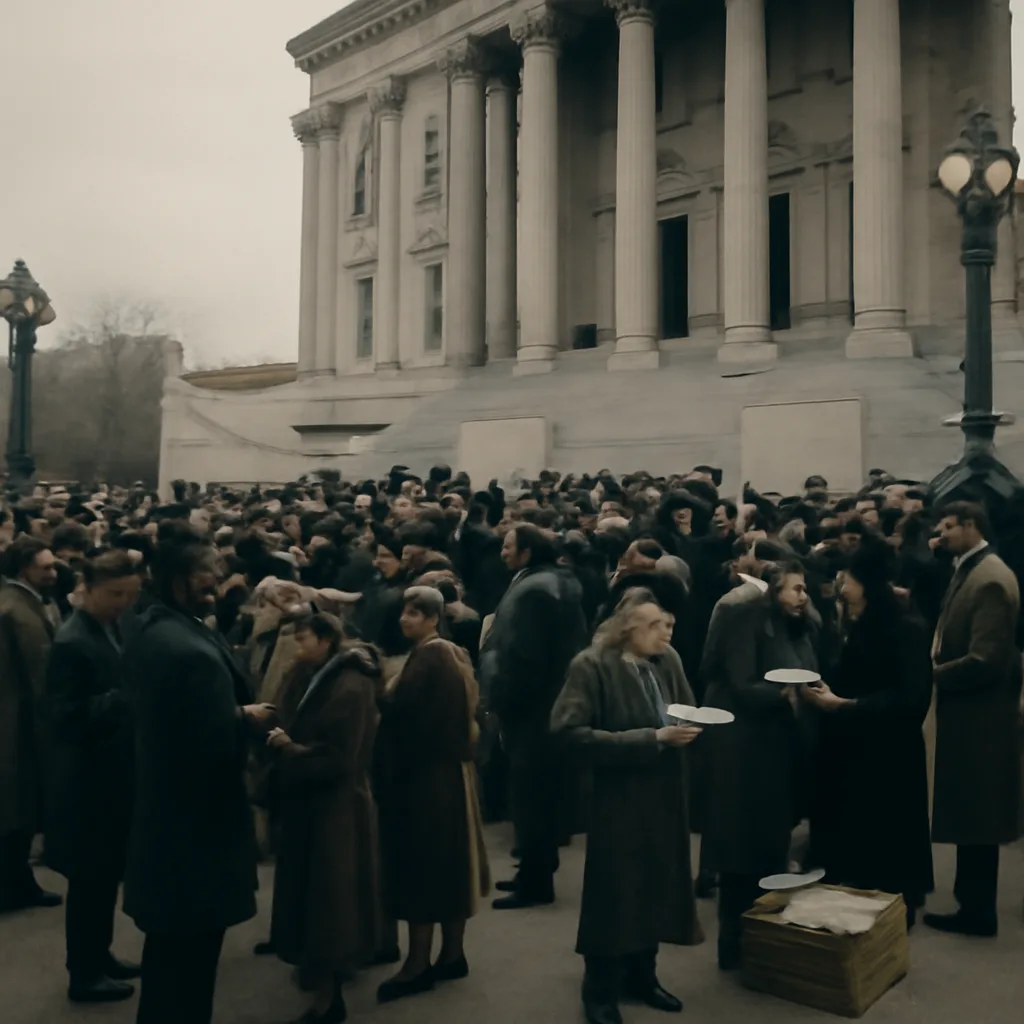
On December 5, 1933, the United States Senate approved the resolution to repeal Prohibition by passing the 21st Amendment, completing congressional action to end the national ban on alcohol first established by the 18th Amendment in 1920.
The movement to repeal Prohibition gained momentum during the early 1930s amid widespread public opposition, difficulties enforcing the ban, and the economic pressures of the Great Depression. Advocates for repeal argued that legalizing alcohol would undercut organized crime profits, restore individual liberties, and provide taxable commerce that could help revive the economy. Opposition to repeal came from temperance organizations and some religious groups concerned about alcohol’s social effects; nonetheless, political support for repeal increased, including from President Franklin D. Roosevelt, who had campaigned in 1932 on a platform favoring state control over liquor laws.
The procedural route for repeal was itself notable. Rather than proposing legislation to amend the Eighteenth Amendment, Congress passed a new constitutional amendment, the Twenty-first, which was proposed by Congress in February and then debated in both chambers. After the Senate’s approval in December, the amendment proceeded to state legislatures for ratification. The Twenty-first Amendment is the only amendment to the U.S. Constitution ratified by state ratifying conventions in three states and by state legislatures in others, and it remains the only amendment that repeals another amendment.
Ratification proceeded rapidly: by late 1933 the requisite three-fourths of states concurred, and the amendment was certified on December 5, 1933, marking the official end of national Prohibition. The practical consequences varied by state: some immediately permitted sales under new regulatory regimes, while others maintained statewide bans or imposed strict local controls. The amendment’s language deliberately left regulatory authority to states, producing a patchwork of laws that persisted for decades—dry counties and varying age limits continued in many areas.
Historically, the repeal of Prohibition is cited as an example of constitutional reversal in response to shifting public sentiment and policy priorities. It also illustrates how social movements, economic pressures, and enforcement challenges can converge to produce major legal change. The end of national Prohibition did not eliminate efforts to control alcohol consumption, but it moved the balance from a national prohibitionist framework to a system of state-centered regulation that endures in modified form to the present.
Sources and records for these events include congressional records, the text of the Eighteenth and Twenty-first Amendments, contemporary newspaper accounts, and historical studies of the Prohibition era and its repeal. Where details of legislative maneuvering vary in contemporary accounts, the constitutional texts and official dates of congressional approval and state ratifications provide the definitive legal record.