
10/31/2012 • 4 views
Fans' pyrotechnics trigger blackout during October 31, 2012 night match
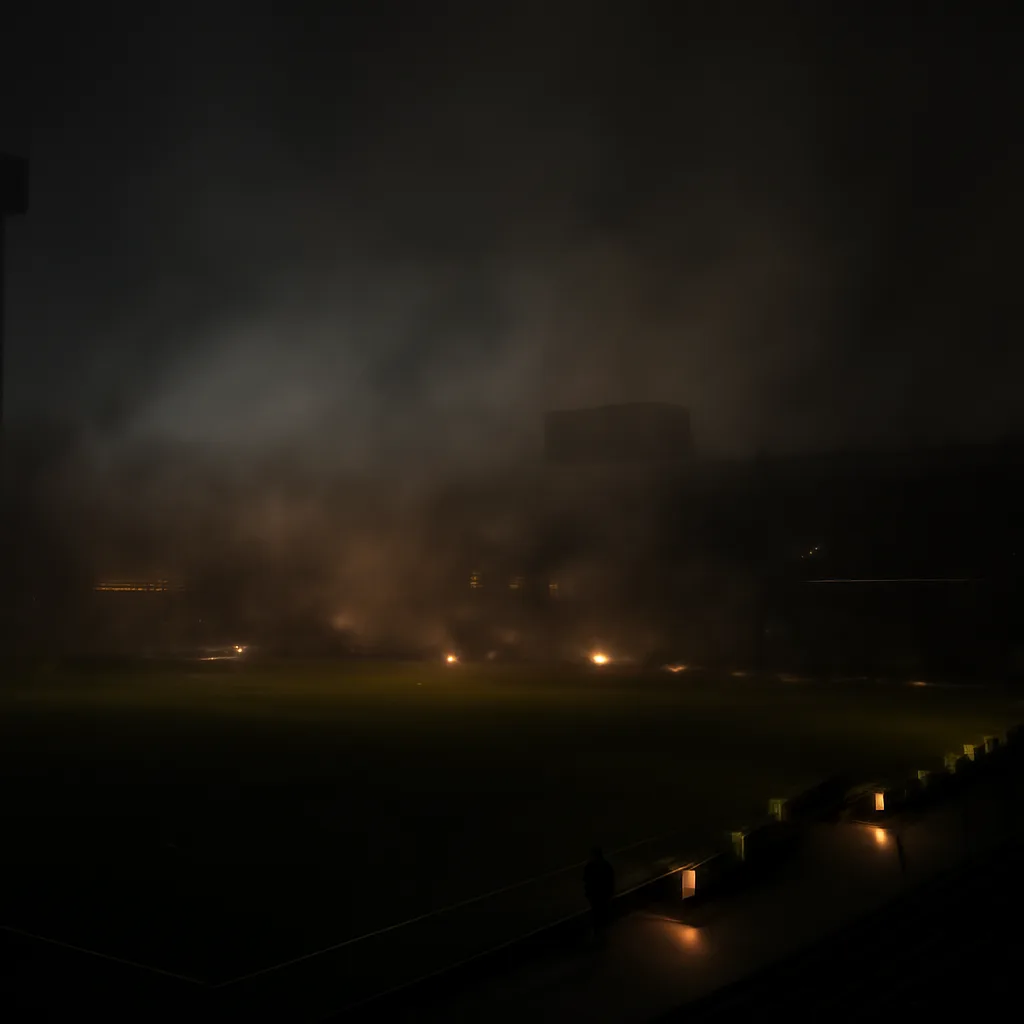
On the night of October 31, 2012, crowd activity during a football (soccer) match led to a stadium-wide electrical blackout that halted play; officials and organizers investigated whether fan-launched pyrotechnics or overloaded circuits caused the outage.
Witnesses and media coverage at the time reported that intense crowd activity — including the use of flares, smoke devices and large-scale illuminated displays by supporters — coincided with the loss of power. Such pyrotechnics are commonly used by fans in many countries to create atmosphere, but they are often restricted or banned inside stadiums because they pose fire and safety risks and can interfere with electrical systems.
Stadium electrical systems are designed with redundancies and protective circuitry, but they can still be vulnerable to sudden surges, short circuits, damage to wiring infrastructure, or faults in temporary or supplementary equipment (such as broadcast rigs, advertising boards, or lighting rigs added for high-profile events). In cases where fans deploy pyrotechnics, smoke and heat can affect lighting fixtures and sensor equipment, and falling debris or deliberate tampering can damage wiring. Overloaded external circuits, including those serving additional staging or fans' devices, have also been known to trip breakers and cause outages.
Investigations into such incidents typically examine multiple possible causes: technical faults within the stadium power distribution network; external grid problems; accidental damage to cables or transformers; and interference or intentional actions by spectators. Where pyrotechnics are suspected, investigators assess their placement, proximity to electrical equipment, and whether they caused thermal or mechanical damage. Safety officials and police may review video footage and interview stewards and technical staff to determine chronology and culpability.
Blackouts during matches carry immediate safety concerns: in addition to the loss of lighting, emergency exits and signage may be harder to see, crowd control becomes more difficult, and medical or evacuation responses can be impeded. Modern stadiums are required to have emergency lighting and backup power for critical systems, but these backups may not fully restore normal operations or broadcast capabilities. Matches typically remain suspended until lighting is sufficient for safe play; in many competitions, rules set time limits for how long a match can be delayed before being abandoned, replayed, or awarded, depending on competition regulations.
After such incidents, clubs and stadium operators frequently review security procedures, stewarding and ticketing to reduce the likelihood of prohibited items entering the venue. They may increase searches, tighten entry controls, install additional signage about bans on pyrotechnics, and work with supporter groups to discourage risky practices. Technical remedies can include auditing and improving electrical infrastructure, relocating vulnerable equipment, adding physical protection for cabling, and ensuring that emergency power systems are tested and adequate for full-stadium needs.
Public reporting at the time noted that inquiries remained ongoing to determine the primary cause of the October 31 blackout; official findings can vary by venue and jurisdiction and sometimes take weeks or months to conclude. Where wrongdoing by spectators is established, disciplinary measures can follow, ranging from fines and stadium bans for individuals to sanctions against clubs if failures in control are found. The incident underscored the persistent tension between passionate supporter displays and the safety protocols required to protect large public events.