
10/31/2004 • 6 views
Mummified body found seated at dinner table in Spain
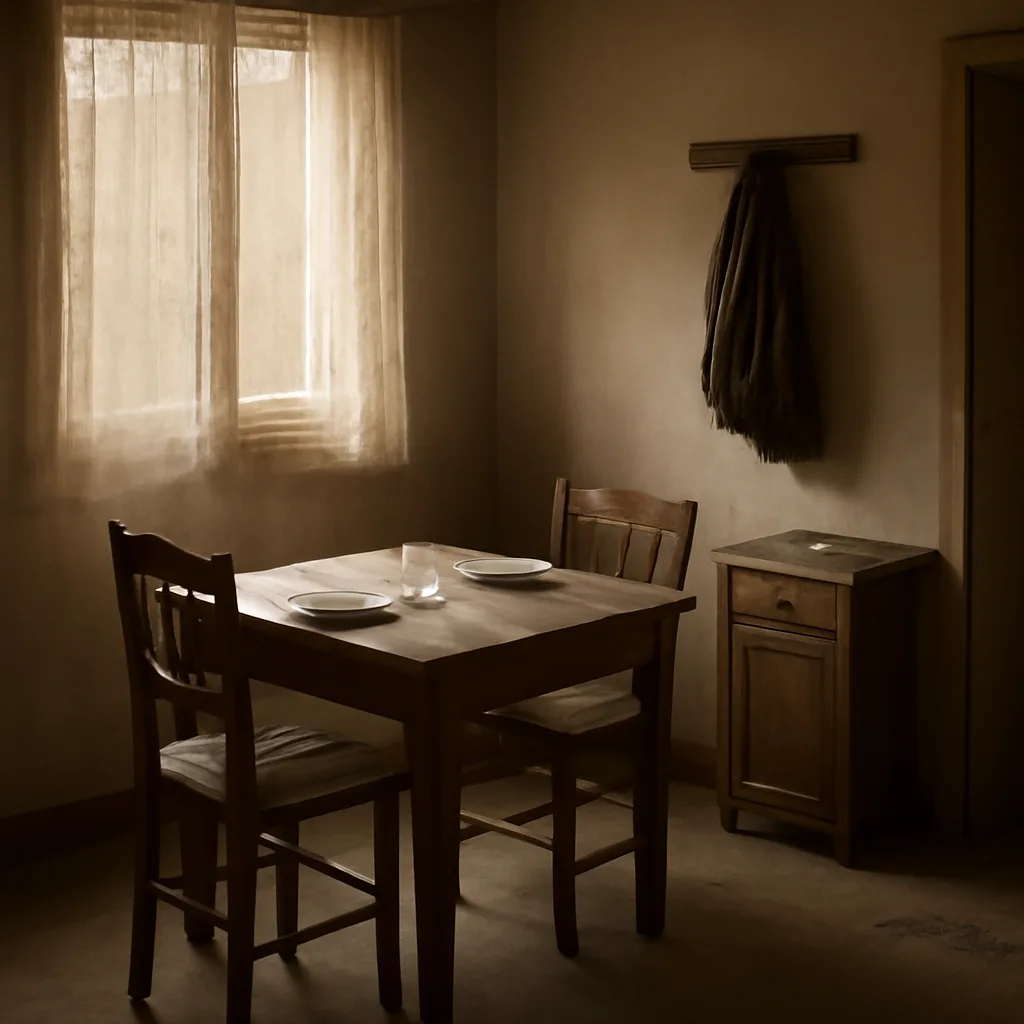
On Oct. 31, 2004, municipal workers discovered a mummified body seated at a dining table in a private home in the Madrid region. Authorities later identified the remains as an elderly resident; investigators described no signs of foul play.
Context and discovery
The body was discovered when building staff or welfare services—reports vary—entered the apartment after being unable to contact the occupant. Inside, the deceased was found at the table, clothed and seated as if in the middle of a meal. Environmental conditions in the flat, including dryness and ventilation, contributed to natural mummification of the remains over time. Spanish news outlets covering the case noted the unusual visual aspect of the body but emphasized that mummification can occur in domestic settings under certain conditions.
Investigation and identification
Police and forensic teams examined the scene. Identification procedures were carried out; authorities later confirmed the person’s identity and age, which contemporary coverage reported as an elderly homeowner living alone. Officials treated the case as a non-suspicious death following their initial examination. Standard protocols—documentation of the scene, forensic assessment of the remains, and notification of next of kin—were followed, and no criminal charges were reported in connection with the death.
Public reaction and discussion
The finding drew public attention because of the striking image of a mummified body seated at a table, and it prompted local discussion about social isolation among elderly residents. Commentators and community groups used the case to highlight welfare-check procedures and the need for better social services for solitary seniors. Media coverage at the time balanced the unusual nature of the scene with official statements that the death appeared to be from natural causes.
Forensic and environmental factors
Mummification of human remains in indoor environments is a well-documented though relatively uncommon outcome when conditions favor rapid drying and limited bacterial decomposition. Factors that can produce natural mummification include low humidity, airflow, and the absence of conditions that promote putrefaction. Forensic teams typically consider these environmental circumstances when determining time and cause of death.
Limitations and sourcing
Contemporary Spanish press articles reported the basic facts of the discovery and official statements about the non-suspicious nature of the death, but localized reporting varied in detail. Public records or court documents connected to the case are not widely available online, and some specifics—such as exact apartment location, the deceased’s full name, or precise medical cause of death—were not broadly published in national outlets. Where precise details are not publicly confirmed, this summary avoids asserting them.
Aftermath
There were no widely reported criminal proceedings linked to this case. The incident remained notable mainly for prompting local conversations about elderly welfare checks and the circumstances that can lead to natural mummification in domestic settings.