
10/31/1990 • 5 views
U.S. launches first Gulf War airstrikes, Oct. 31, 1990
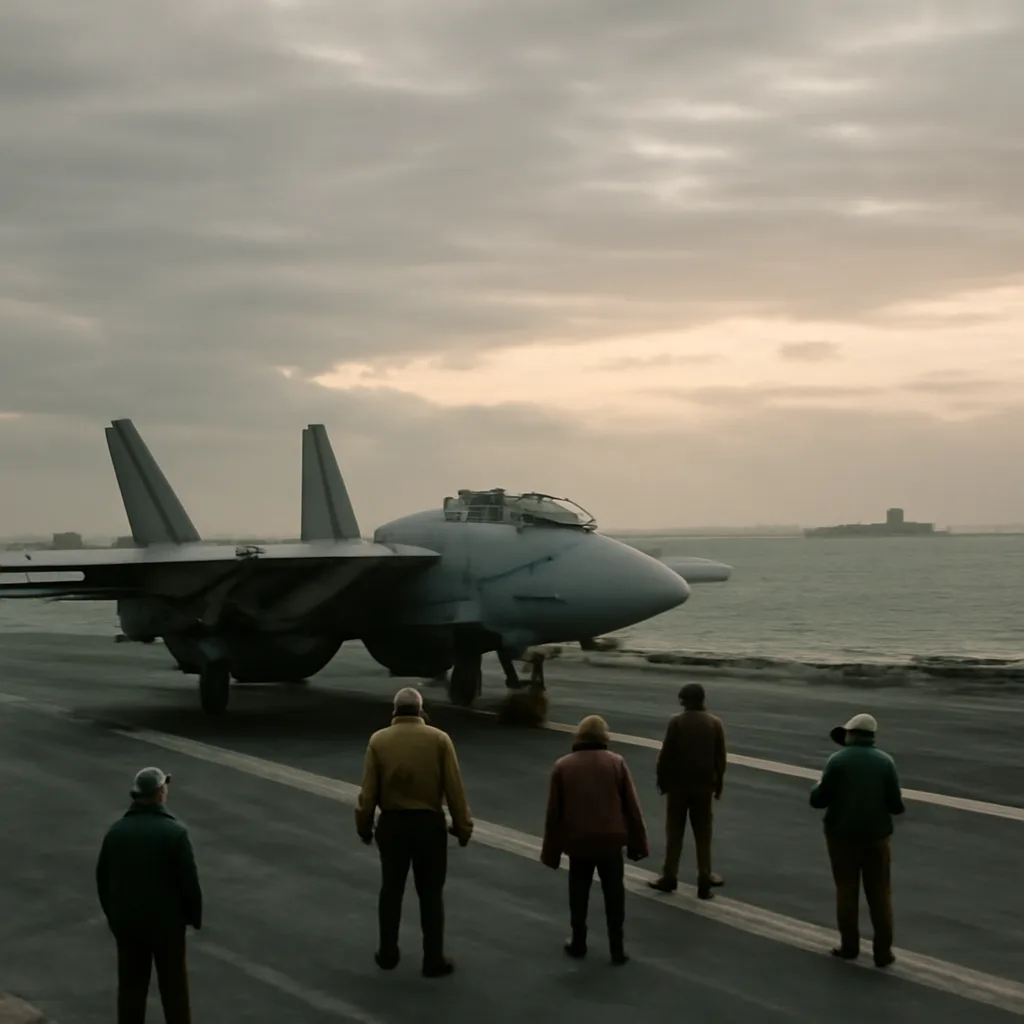
On October 31, 1990, U.S. forces began the first airstrikes associated with the buildup in the Persian Gulf following Iraq’s August invasion of Kuwait, marking an escalation in Coalition military pressure ahead of the 1991 Gulf War.
In August 1990, Iraq invaded and occupied neighboring Kuwait. The United States and a broad international coalition responded with economic sanctions, diplomatic pressure, and deployment of forces to the Persian Gulf under Operation Desert Shield to deter further Iraqi aggression and prepare for possible combat operations to expel Iraqi forces.
The first airstrikes
On October 31, 1990, U.S. aircraft conducted the first combat airstrikes tied to the Gulf crisis during the buildup phase. These sorties targeted Iraqi military positions and equipment in the Persian Gulf theater as part of a campaign to degrade Iraqi capabilities and to signal Coalition resolve. The strikes were limited in scope compared with the major air campaign that would begin in January 1991, but they marked a transition from deterrent posture to limited offensive operations.
Forces and objectives
The strikes involved U.S. Navy and Air Force aircraft operating from carriers and regional bases. Objectives included interdiction of Iraqi naval and air assets, destruction of specific military targets, and suppression of threats to Coalition forces and shipping in the Gulf. The missions were designed to reduce risks to deployed Coalition units and to pressure Baghdad politically and militarily.
Context and legal justification
The Coalition framed its actions as enforcement of United Nations Security Council resolutions demanding Iraq’s withdrawal from Kuwait and authorizing measures to restore international peace and security. The U.S. and partners emphasized that strikes were calibrated to avoid unnecessary escalation while maintaining credibility of the deterrent posture.
Consequences and significance
While limited compared with the sustained air campaign that began with Operation Desert Storm in January 1991, the October 31 strikes signaled that the Coalition would use force selectively to counter Iraqi actions. They contributed to an intensifying campaign of military pressure that combined airpower, naval presence, ground force deployments, and diplomacy. The strikes also underscored the risks of miscalculation and the potential for further escalation, dynamics that shaped decisions in the months that followed leading up to the full-scale Gulf War in early 1991.
Sources and accuracy
Contemporary news reports, U.S. Defense Department releases, and later historical accounts document U.S. combat air operations in the Gulf theater in late 1990. Specific operational details—such as exact target lists, sortie counts, and ordnance expended on October 31—vary across sources and some remain classified or incompletely reported in public records. Where precise figures are not consistently documented, this summary uses widely accepted descriptions of the event as a limited early use of airpower during the Gulf crisis.