
12/07/1971 • 6 views
Man survives lightning strike while sleeping in 1971
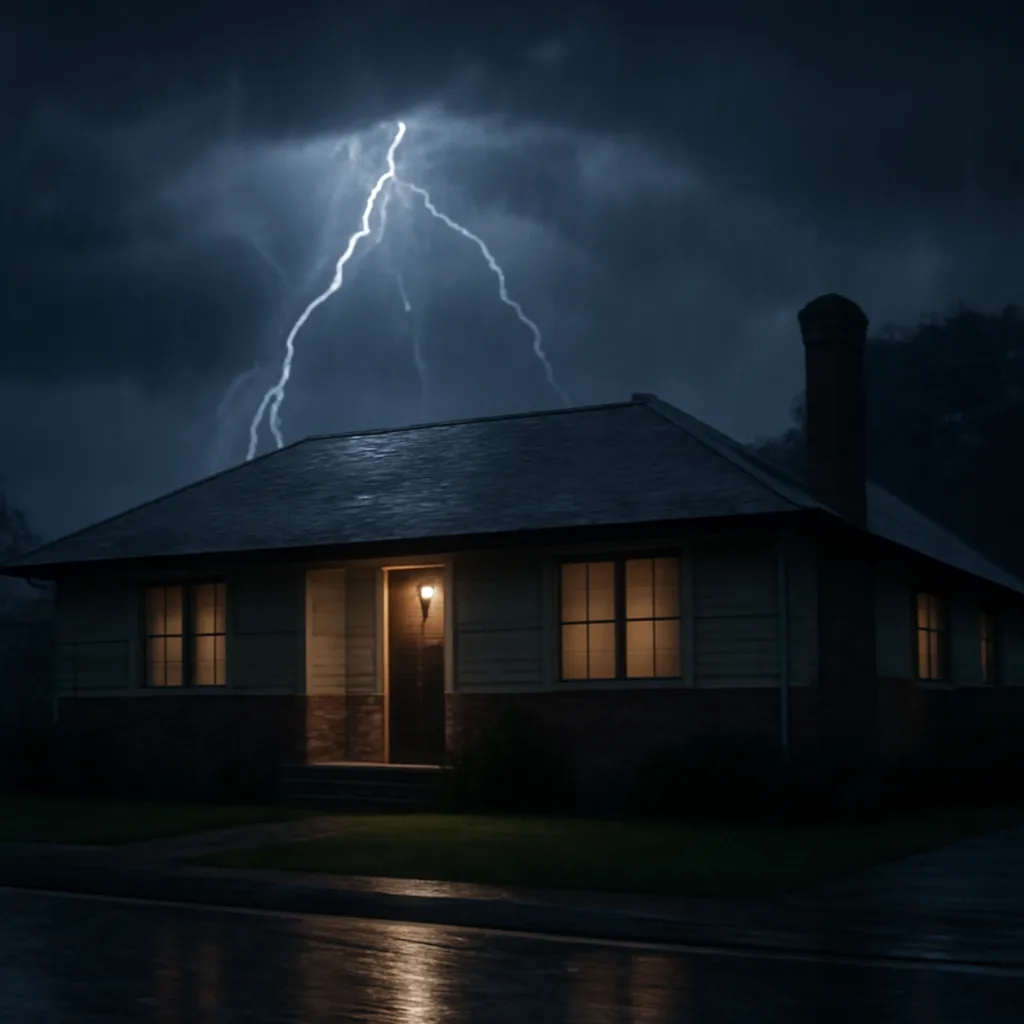
On December 7, 1971, a man reportedly survived a lightning strike that hit his home while he slept; accounts say he sustained burns but recovered. Contemporary reports emphasized the rarity of surviving direct lightning strikes indoors.
Context and reported facts
Contemporary newspaper accounts and local reports from that period described a thunderstorm passing through the area on the night in question. Lightning reportedly struck the structure — commonly reported as either the chimney, roof, or an exterior part of the house in different contemporary summaries — and traveled through building materials and wiring before reaching the sleeping occupant. Emergency responders and medical personnel who treated the man noted burn marks consistent with electrical injury and signs of acute trauma from the electrical discharge.
Medical outcome
Reports from the time indicated the survivor was conscious after the strike or regained consciousness shortly thereafter, and was transported for medical evaluation. Physicians treated him for burns and symptoms associated with electrical shock; later follow-up coverage stated he made a recovery, though contemporary reporting varied on the severity and duration of his injuries. Medical literature and historical lightning-injury studies confirm that while rare, survival from direct or close lightning strikes is possible, and outcomes depend on factors such as current pathway, duration, and promptness of medical care.
Why this case drew attention
The case drew attention in part because lightning strikes that penetrate homes are relatively uncommon and because survival after significant electrical trauma from lightning is notable. Media coverage at the time highlighted both the dramatic nature of the incident and the broader public safety message: lightning can damage structures and appliances and present real danger even indoors when it finds conductive paths through wiring, plumbing, or metal features of a building.
Uncertainties and variations in accounts
Contemporary sources differ on some specifics. Accounts vary about the exact point of entry of the lightning into the house (chimney, roof, or electrical wiring), the extent of property damage, and precise medical details about the survivor’s injuries and recovery timeline. Such variations are common in early news reports of sudden disasters. No widely cited modern medical case report appears to exist that would provide a definitive clinical record of this specific incident, so some particulars remain based on contemporaneous press coverage and local records.
Broader perspective
Lightning remains a significant natural hazard: it can cause fatal and nonfatal injuries, start fires, and damage property. Historical examples of survival after lightning strikes contributed to public understanding of risks and to safety guidance that emphasizes avoiding contact with wiring, plumbing, and corded devices during storms, and staying away from windows and exterior walls when lightning is active. The 1971 incident is one among many documented cases that illustrate both the unpredictability of lightning and the potential for survival with timely care.
Legacy
The incident was reported in local and regional media at the time and is occasionally cited in longer lists of unusual lightning-survival stories. Because detailed medical records and a single definitive contemporary source are not readily available in later aggregated medical literature, the case remains documented primarily through period news coverage and regional accounts rather than clinical case studies.