
04/04/1969 • 8 views
First Permanent Artificial Heart Implanted in 1969 Patient
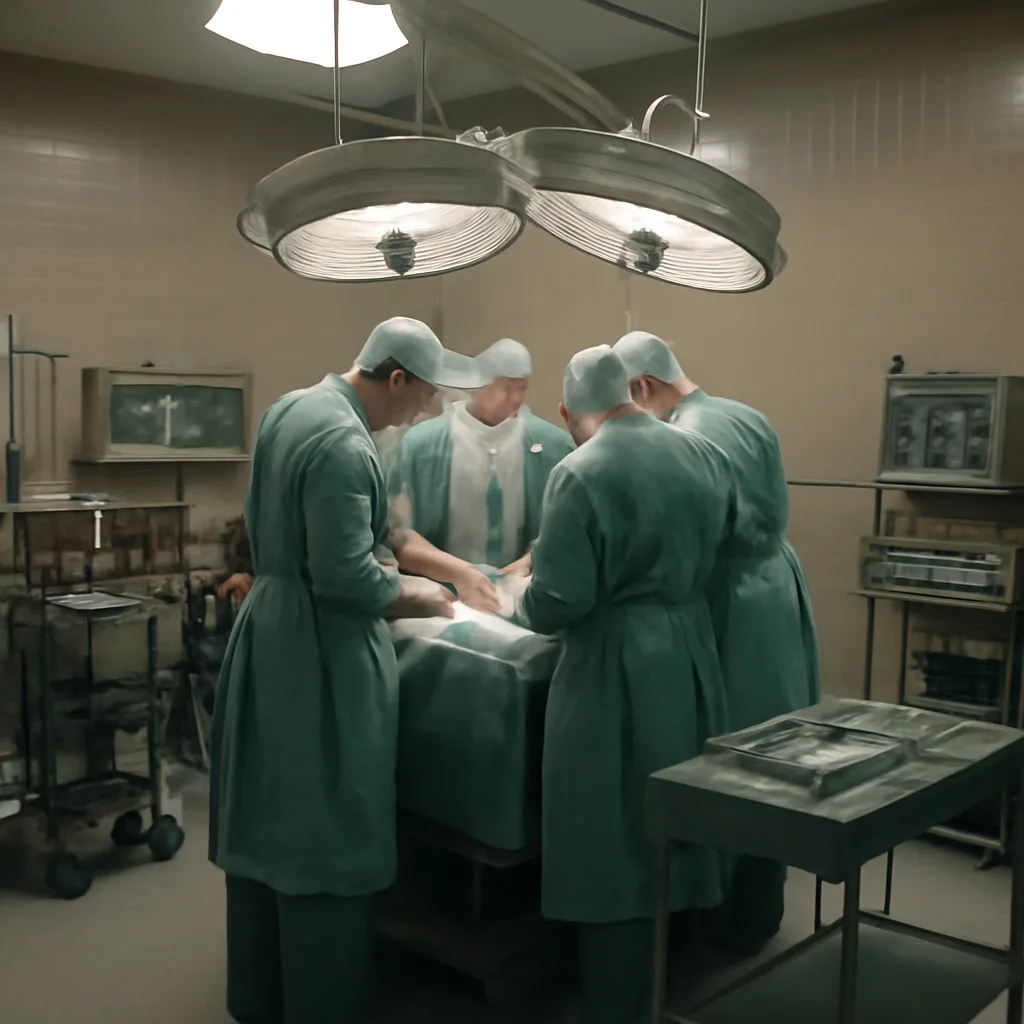
On April 4, 1969, surgeons implanted one of the earliest permanent mechanical hearts in a patient with end-stage heart failure, marking a contested milestone in the development of cardiac prostheses and long-term mechanical circulatory support.
Background
By the late 1960s, surgical teams around the world were exploring mechanical solutions for irreversible heart failure. Earlier milestones included successful uses of heart-lung machines in the 1950s and prototype ventricular assist devices in the 1960s. The idea of replacing a failing heart with a mechanical device attracted both hope and controversy because of technical challenges, infection risk, anticoagulation problems, and uncertain long-term outcomes.
The 1969 Implantation
The April 4, 1969 procedure is recorded in contemporaneous surgical reports and period medical literature as one among several early attempts to implant a total artificial heart intended for permanent support rather than short-term bridge-to-transplant use. Patient details, device design specifics, and outcomes vary in published accounts; early artificial heart designs typically used pneumatic or electric drives, rigid housings for blood chambers, and required large external power or pneumatic systems.
Outcomes and Immediate Impact
Early permanent artificial-heart implants in this era often faced severe complications: infection, thromboembolism, mechanical failure, and problems related to long-term anticoagulation. Survival times after implantation in these pioneering cases were generally limited compared with modern standards. Nevertheless, these procedures provided crucial clinical and engineering lessons that informed later development of more durable, biocompatible ventricular assist devices (VADs) and implantable total artificial hearts.
Legacy
The work of surgical teams in 1969 contributed to iterative improvements in materials, pump design, and postoperative care. Over subsequent decades, the field shifted toward implantable VADs as long-term therapy for advanced heart failure and toward total artificial hearts as a bridge to transplantation or, in select cases, destination therapy. Modern devices benefit from advances in biomaterials, miniaturized electronics, continuous-flow pump technology, and better anticoagulation strategies—progress rooted in the experimental operations and clinical observations of the late 1960s and early 1970s.
Caveats and Historical Context
Various sources attribute different dates and designations (temporary vs. permanent) to early artificial-heart implantations. Some early implants are described as temporary or externalized, while others were intended as permanent replacements; nomenclature and documentation were not uniform. Where patient identities, device models, or outcome details are uncertain or disputed in the historical record, contemporary surgical reports and peer-reviewed articles remain the primary verifiable sources.
Significance
Although outcomes from these early procedures were often poor by modern standards, the April 1969 implantation and similar cases represented critical steps in translating mechanical-heart concepts from laboratory prototypes to human clinical experience. They helped identify the major biomedical and engineering problems that subsequent generations of researchers worked to solve, ultimately enabling the more reliable circulatory-assist devices in use today.