
02/24/1976 • 4 views
Hijacker Uses Fake Grenade Made from Shoelaces and Toothpaste to Seize Plane, 1976
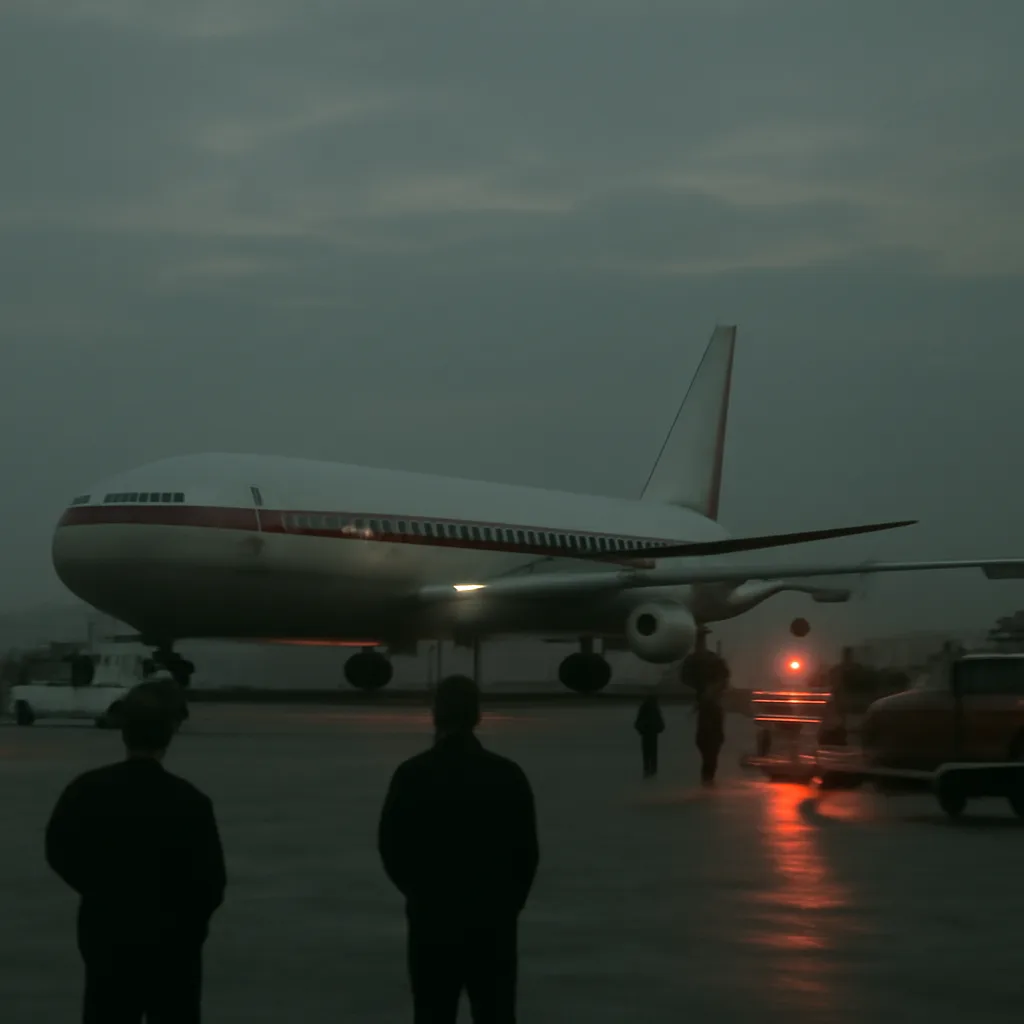
On 24 February 1976 a man hijacked a commercial airliner using a counterfeit grenade assembled from shoelaces and toothpaste; he demanded diversion and ransom before surrendering. The improvised device and tactics reflected both low-tech ingenuity and the era's security vulnerabilities.
This incident highlights several features of mid-1970s aviation security and criminal improvisation. Airport screening and in-flight procedures at the time were less uniform and less stringent than in later decades; metal detectors and X-ray screening were becoming more common but were not yet standardized internationally. Hijackings in the 1960s and 1970s—driven by political motives, ransom demands, or individual grievances—prompted airlines and governments to gradually adopt tougher measures. The use of a convincing but inert mock device exploited the limited ability of crew and law enforcement to immediately verify threats midflight.
Contemporary accounts emphasize that the device was an imitation rather than an actual explosive. Sources from the period describe materials such as shoelaces, toothpaste tubes, and other household items assembled to resemble a grenade; these reports do not indicate the presence of detonators or explosives. The hijacker’s threat worked because crew and passengers had to treat the object as potentially lethal until proven otherwise.
After the aircraft was diverted or grounded, negotiations took place, and authorities ultimately secured the hijacker’s surrender. No detonation occurred and there were no reported fatalities from the device itself. Legal aftermaths of hijackings in this era varied by jurisdiction; some perpetrators faced criminal prosecution, psychiatric evaluation, or exile depending on the country and circumstances. Specific judicial outcomes for this case are reported in period news coverage but can differ between sources.
Historians and aviation-security analysts note that incidents like the 1976 hijacking contributed to gradual policy changes: stricter passenger screening, hardened cockpit doors, crew training on threat assessment and negotiation, and international agreements to criminalize aircraft hijacking and facilitate extradition. The case is sometimes cited in discussions of how nontechnical, low-cost methods can create high-risk situations when authorities cannot immediately verify or neutralize a threat.
While often recounted in contemporary press reports, some details around demands, flight routing, or subsequent legal disposition vary between accounts; where sources conflict, reportage typically agrees on the key facts: the date (24 February 1976), the use of a fabricated grenade made from everyday items, a successful initial seizure of the aircraft, and a surrender without explosion. The episode remains an example of how ingenuity and intimidation intersected with the evolving landscape of aviation security in the 1970s.