
← Back
01/12/1994 • 4 views

Man Declared Dead Returns Home Days After Funeral
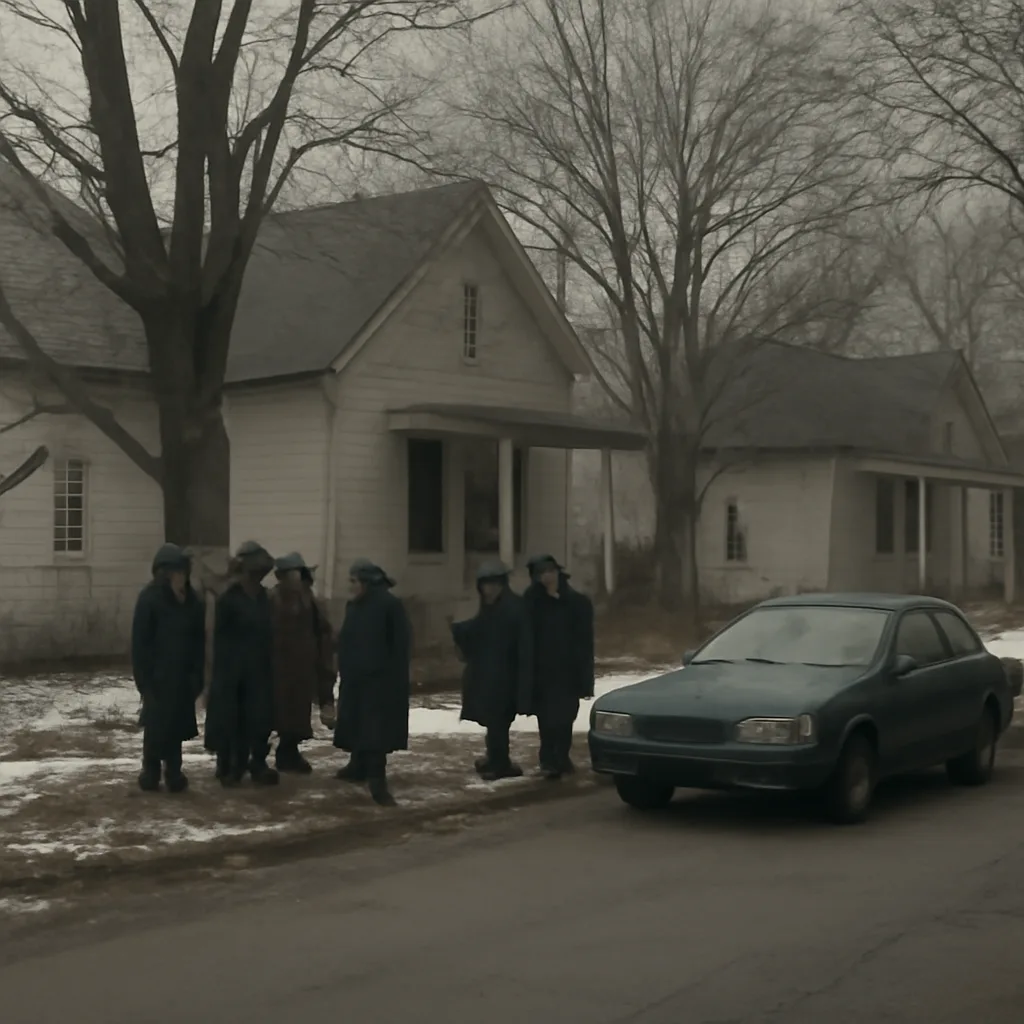
A small-town street outside modest houses with a group of somber people gathered near a front yard; scene evokes community shock and concern in winter.

A man who was mistakenly declared dead and buried was found alive and returned to his home several days after his funeral; authorities and family members are investigating how the error occurred and how the deceased declaration was made.


On January 12, 1994, a man who had been pronounced dead and buried was discovered to be alive and returned to his home several days after his funeral. The case prompted immediate inquiries by local officials into the medical and administrative steps that led to the premature death declaration, and raised questions about burial procedures and record-keeping.

According to contemporaneous news coverage, the individual had been examined and pronounced dead by a medical professional or by authorities at a facility; details about the exact setting and personnel involved varied among reports. After burial, family members and neighbors reportedly became aware that the man had reappeared at or near his residence several days later. The accounts describe a mixture of shock, relief and confusion among relatives and community members.

Reports at the time noted that officials launched an investigation to determine how the erroneous pronouncement occurred. Investigators typically look at medical records, the circumstances of any examinations, the identity verification process before burial, and whether any illnesses or conditions could have produced an appearance of death. Local authorities also assess procedural compliance by medical staff, coroners, or funeral personnel to identify potential negligence or systemic failures.

Cases of apparent death that are later found to be errors are rare but have precedent in medical and legal history. Factors that can contribute to such mistakes include severe hypothermia, certain drug overdoses, cataleptic states, profound shock, or other conditions that suppress vital signs to levels difficult to detect without careful assessment. In some instances, inadequate checks for respiration, pulse, or other signs of life, especially in resource-limited settings or under rushed conditions, have led to incorrect death declarations.

The social and legal consequences in such incidents are significant. Families face emotional distress from mourning and then the upheaval of the person’s unexpected return. Funeral directors and medical personnel may face professional review, civil suits, or criminal investigations if negligence is suspected. Public authorities often review protocols for death pronouncement, transport, and burial to prevent recurrence, and some jurisdictions have since tightened requirements for multiple confirmations of death or mandated waiting periods in ambiguous cases.

Eyewitness and media accounts from the period emphasized the immediate human dimensions: relatives who had grieved were confronted with the unnerving reversal, while community members sought explanations. Official statements—where available—tended to be cautious, promising review without speculating about causes pending the investigation.

This 1994 incident fits into broader discussions about medical certitude and the fallibility of institutional procedures. While modern standards for declaring death call for clear evidence of irreversible cessation of circulatory and respiratory functions or brain death determined by accepted medical criteria, historical and local variations in practice mean that errors have occasionally occurred.

Because contemporary reporting sometimes contained conflicting details about where and how the initial pronouncement was made, specific procedural failures in this case remain described in general terms in the public record. What is clear from sources at the time is that the man’s return prompted official scrutiny and prompted conversations about safeguarding against premature burial.

The case remains notable as a reminder of both the potential for human error in medical and mortuary contexts and the emotional toll such errors take on families and communities. It also contributed to ongoing efforts in many places to standardize death certification and to require more rigorous checks before burial or cremation proceed.

Share this

Email Share on X Facebook Reddit

Did this surprise you?