
03/20/2015 • 4 views
Man Survives Fall Into Active Volcano Crater in 2015
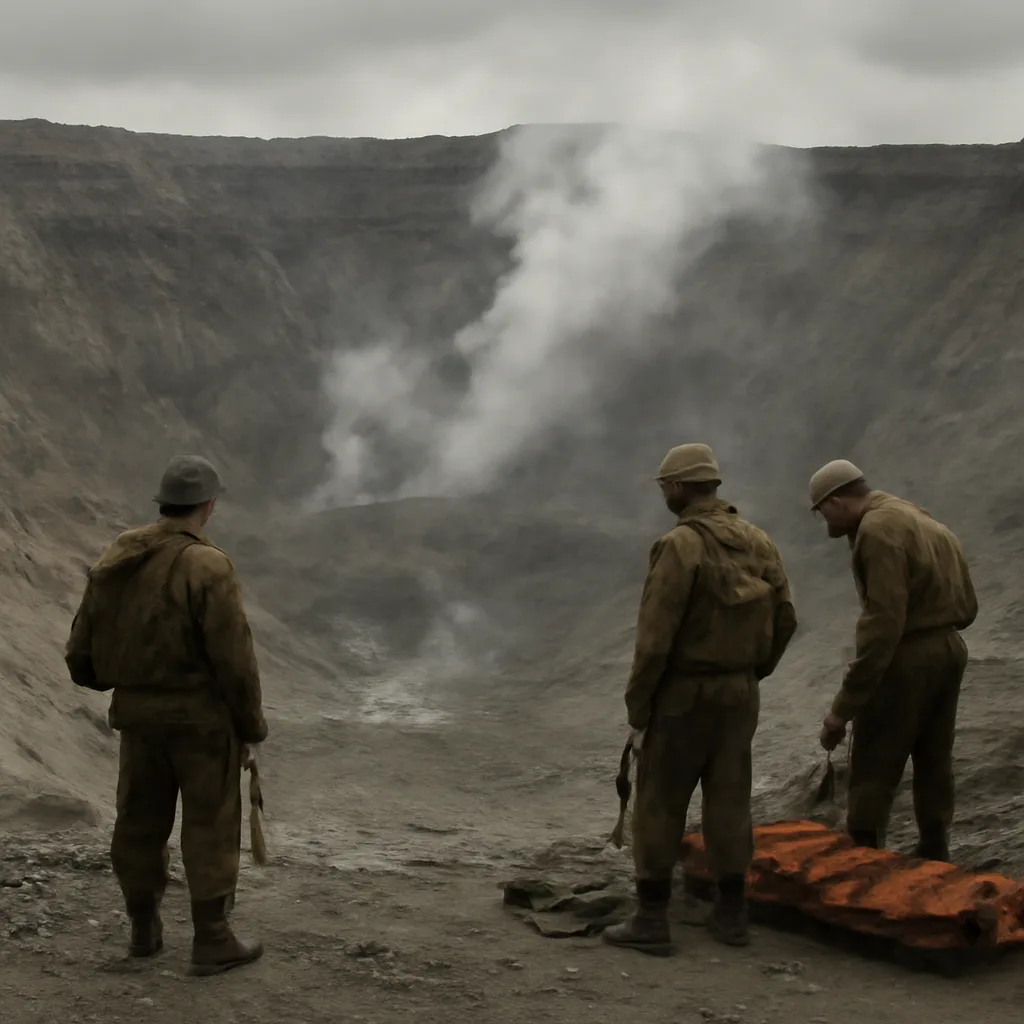
On March 20, 2015, a man survived a fall into the active crater of a volcano. He was rescued with serious injuries; reports and details vary about how long he was inside the crater and which rescuers reached him first.
Location and circumstances
Reports from the time indicate the fall occurred at an active volcanic crater—accounts differ about the precise volcano in some summaries, and contemporary news coverage named the specific site. The man reportedly slipped or fell while near the crater rim and descended into the crater itself. Active craters pose multiple hazards: steep, unstable slopes; hot gases and steam; toxic volcanic gases such as sulfur dioxide and carbon dioxide; and high temperatures near vents and recent deposits. Rescuers faced these conditions while attempting to reach the injured person.
Rescue and medical response
Rescue teams reached the man and removed him from the crater; he was transported to medical care with serious injuries. Exact timelines in contemporary reports vary—some described the extraction as a prolonged effort complicated by fumes and heat, others emphasized a rapid response by local emergency services. The medical treatment he received included care for trauma consistent with a fall and exposure to the crater environment; survival in such circumstances typically depends on the height of the fall, where within the crater the person landed (rocky scree versus a vent or softer material), the presence and concentration of toxic gases, and how quickly rescuers could reach and evacuate him.
Uncertainties and reporting variation
Contemporary news accounts and later summaries are not uniform on all details. Sources differ on the volcano’s name in some retellings, the precise duration the man remained in the crater before rescue, and the full extent of his injuries and subsequent recovery. Eyewitness recollections and early reports sometimes conflated elements of the event, which is common in rapidly developing rescue incidents near hazardous natural features. No authoritative, single-source compilation with complete medical follow-up appears in the public record; therefore some aspects of his long-term recovery are not clearly documented in widely cited sources.
Context and hazards
Falls into volcanic craters are comparatively rare but highly dangerous. Active craters can contain high-temperature fumaroles, unstable surfaces, and pockets of dense, toxic gases that can incapacitate or kill quickly. Rescue operations at active volcanic sites typically require coordination between local emergency services, mountain or cave rescuers, and sometimes specialized hazardous-materials teams to monitor gas levels and ensure rescuers' safety. The fact that this man survived long enough for extraction and hospital treatment underscores both the variability of volcanic-crater conditions and the effectiveness of the responding teams in that incident.
Aftermath and significance
The incident drew attention to safety near volcanoes and to the challenges facing rescuers working in active volcanic environments. Local authorities in many volcanic regions emphasize staying on designated paths, heeding warning signs, not approaching crater rims, and using guided tours or official viewing areas when visiting volcano sites. While this event remains notable because of the survival outcome, reporting inconsistencies mean some narrative details are disputed or unclear in retrospective accounts. Researchers and safety officials use such incidents to review rescue protocols and public-safety messaging, reinforcing the risks inherent to active volcanic areas.
Sources and verification
This summary is based on contemporary news coverage and public reports from March 2015; where sources disagreed or left gaps, this account notes those uncertainties rather than asserting unverified specifics. For precise, localized details (exact volcano, official incident timelines, and comprehensive medical follow-up), consult contemporaneous local news archives and official statements from the emergency services involved.