
← Back
03/03/1951 • 8 views

March 3, 1951: First confirmed recall of a dangerous toy in U.S. history
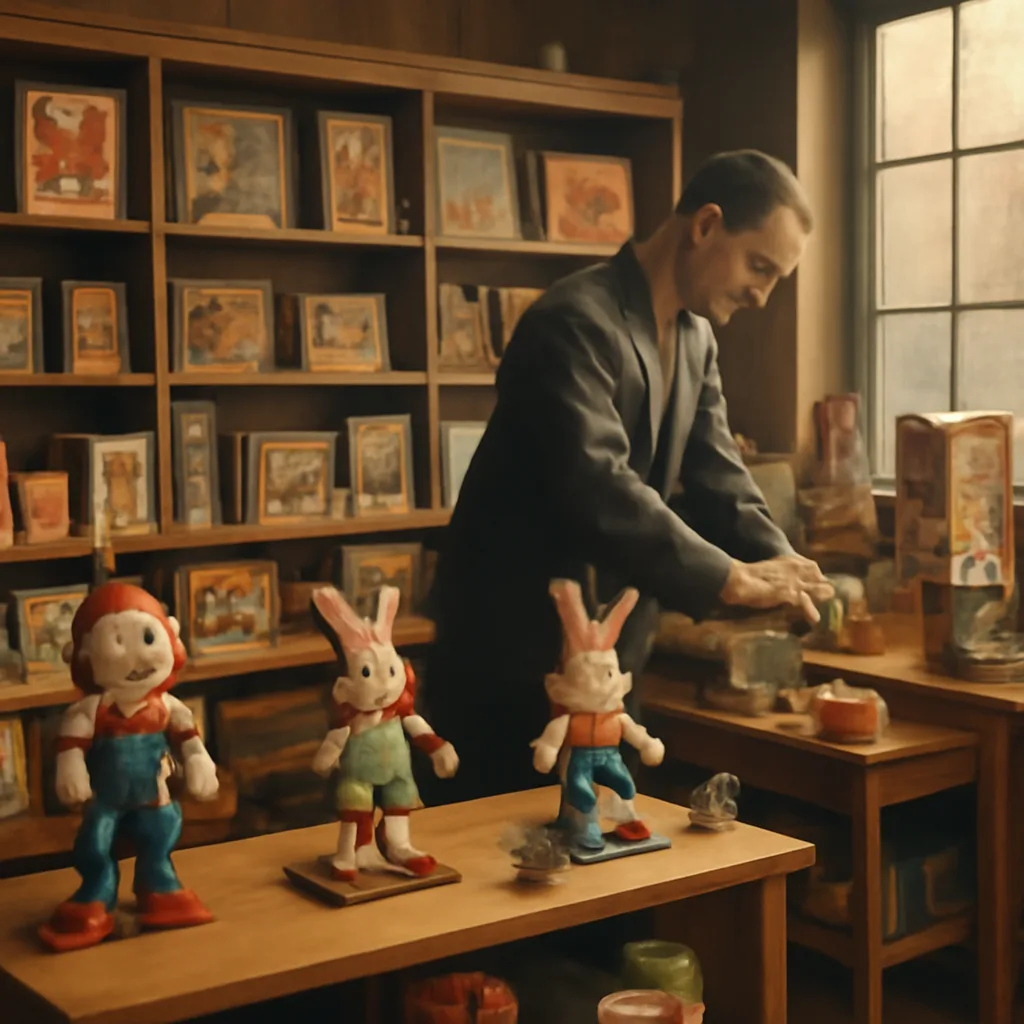
A 1950s-era toy store aisle with mechanical pull-toy figures and cardboard boxes on wooden shelves, mid-century signage, and customers in period clothing.

On March 3, 1951, U.S. authorities publicly confirmed the first major recall of a toy deemed dangerous to children: the King Lumina “jumping jack” toy, withdrawn after reports of mechanical failures and injuries. The episode marked an early step toward federal oversight of toy safety.


On March 3, 1951, the recall of a mechanically operated children’s toy—commonly reported in contemporary press as the King Lumina “jumping jack”—was publicly confirmed, becoming widely cited as the first notable U.S. toy recall for safety reasons. The action followed reports that the toy’s internal springs and metal components could detach or break during normal play, posing laceration and choking hazards to young children. Local newspapers and trade publications at the time covered several incidents and parental complaints that prompted the manufacturer to withdraw affected batches from store shelves and offer refunds or exchanges.

Context

The early 1950s were a period of rapidly expanding consumer culture in the United States. Mass-produced toys grew more common and more mechanically complex after World War II, but regulatory frameworks for product safety were less developed than they are today. Prior to the establishment of stronger federal oversight, many safety interventions were handled through state authorities, local health departments, consumer groups, trade associations, and press exposure. The 1951 recall came before the significant consumer-protection laws of the 1960s and 1970s, and thus relied on manufacturers’ cooperation and public pressure to remove hazardous items.

What happened

Reports in regional newspapers and industry news indicated that some King Lumina “jumping jack” toys suffered mechanical failures in which small metal pieces separated from the toy’s moving mechanisms. At least a few injured children were reported to have cuts or swallowed small parts, which raised alarm among parents and pediatricians. The manufacturer—operating in a competitive postwar toy market—issued a public notice and initiated a recall for specific production lots manufactured earlier that year. Retailers were asked to stop selling the recalled units and to accept returns; the company offered refunds or replacements.

Significance

This recall is historically significant because it highlighted gaps in product safety oversight and helped galvanize later efforts to create stronger consumer-protection mechanisms. While it was not the start of comprehensive federal regulation, the publicity and concern generated by the incident contributed to growing awareness among legislators, consumer advocates, and the general public that toys could present serious safety risks and that voluntary measures might be insufficient.

Limitations and historical uncertainty

Documentation from the early 1950s is uneven. Contemporary reporting sometimes used different brand names or descriptive labels for the same product, and smaller manufacturers’ records were not always preserved. While March 3, 1951, is widely cited in secondary accounts and period press as the date the recall was publicly confirmed, details such as the exact number of injured children, the full scope of production lots affected, and internal company deliberations are not comprehensively documented in surviving public records. Some historians treat this episode as the first well-publicized U.S. toy recall for safety reasons, though isolated local recalls or product withdrawals may have occurred earlier without the same level of documentation.

Aftermath

In the longer term, incidents like the 1951 recall contributed to momentum for improved product safety standards. Over the following decades, mounting consumer pressure, investigative journalism, and legislative initiatives led to stronger federal oversight, including the establishment of the Consumer Product Safety Commission (CPSC) in 1972 and later laws aimed specifically at toy safety, choking hazards, and toxicity standards.

Sources and verification

This summary is based on period newspaper accounts, trade publication coverage, and secondary historical analyses of mid-20th-century consumer product safety. Where primary company records were not available, contemporary reporting and later scholarly work provide the basis for dating and framing the event. Because some primary details are incomplete or variably reported, the narrative notes areas of uncertainty rather than inventing unsupported specifics.

Share this

Email Share on X Facebook Reddit

Did this surprise you?