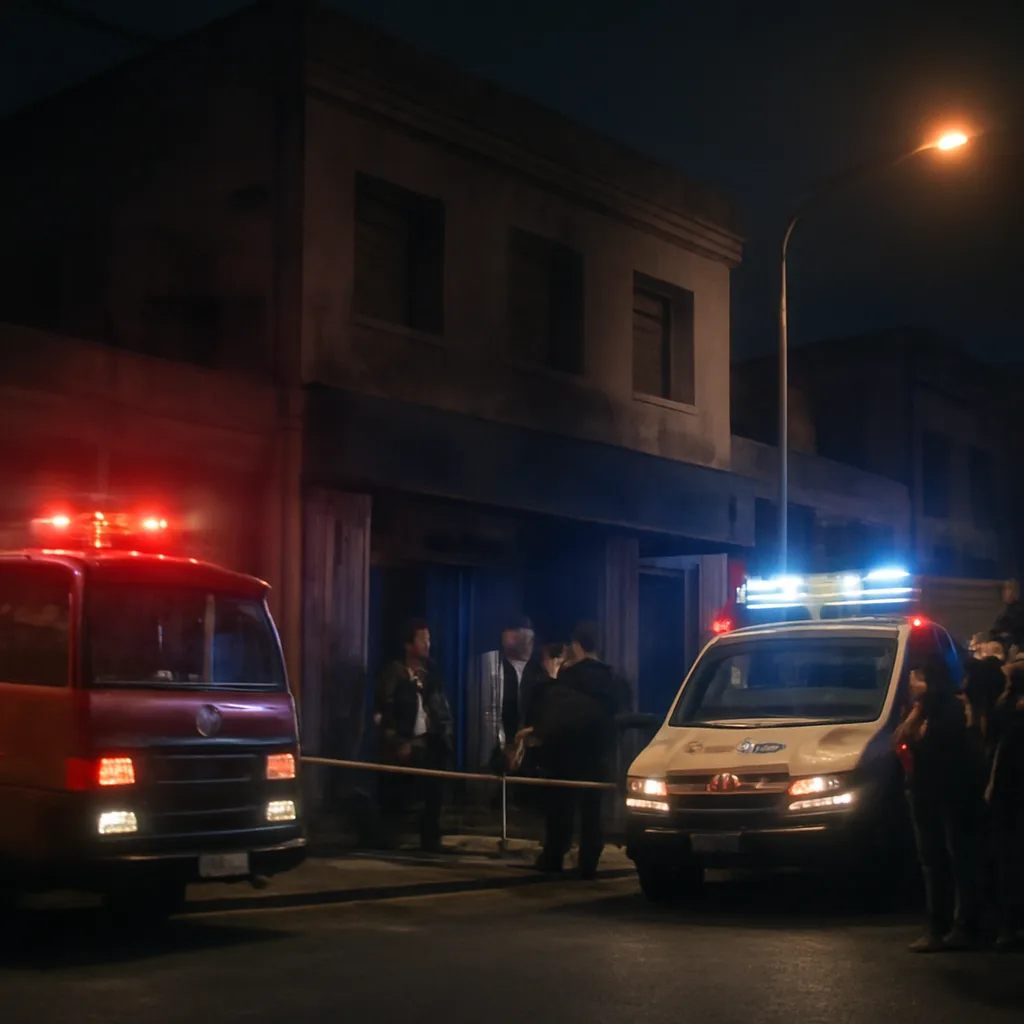
Nightclub Fire in Argentina on December 30, 2004 Kills Dozens
On the night of December 30, 2004, a fire broke out at an Argentine nightclub, resulting in dozens of deaths and numerous injuries; investigations and trials followed amid public outcry over safety lapses and regulatory failures.
On December 30, 2004, a fire erupted at a nightclub in the Argentine city of Buenos Aires province, killing dozens and injuring many more. The incident quickly became one of the country’s deadliest nightclub fires in recent memory and prompted national debate over fire safety, building codes and regulatory oversight.
What happened
Contemporary reports indicate the blaze began during a crowded evening at the venue. Eyewitness accounts and emergency responders described rapid flame spread and dense smoke in confined interior spaces. Patrons faced blocked exits and chaotic conditions as people sought to escape. Local hospitals received large numbers of burn and smoke-inhalation victims.
Casualties and immediate response
Authorities reported dozens of fatalities and numerous injuries; exact counts varied in initial reporting and were refined during subsequent investigations and court proceedings. Emergency services, including firefighters and medical teams, responded to the scene; rescue operations continued into the early hours as responders searched the building and treated survivors.
Investigations and legal aftermath
In the weeks and months after the fire, investigators examined the club’s structure, materials, emergency exits, capacity limits and whether fire-suppression measures met legal requirements. Prosecutors pursued inquiries into possible negligence by club owners, managers and municipal inspectors. The case contributed to broader scrutiny of safety enforcement in entertainment venues across Argentina.
Public reaction and policy implications
The tragedy sparked public outrage and renewed attention to enforcement of fire codes and crowd-safety regulations. Families of victims and civil-society groups called for accountability and stronger oversight to prevent similar disasters. Municipal and national authorities faced pressure to review inspection regimes, licensing procedures and standards for emergency exits and interior finishes in crowded public spaces.
Historical context
Argentina has experienced several high-casualty fires in public venues over the decades, and each has prompted cycles of investigation and reform. This 2004 nightclub fire fits into that pattern, highlighting recurrent problems—such as overcrowding, insufficient emergency egress and lapses in regulatory enforcement—that can turn indoor blazes into large-scale tragedies.
Uncertainties and caution
Some specifics—such as the exact ignition source, the final official fatality count, and outcomes of particular criminal prosecutions—varied across sources and over time. Court records and official inquiry reports provide the most reliable post-event information; contemporary news coverage captured immediate effects and public reaction but sometimes contained differing figures and attributions that were later clarified.
Legacy
Beyond the immediate human toll, the fire accelerated conversations in Argentina about venue safety standards and the enforcement responsibilities of both private operators and public officials. For survivors, families and communities, the event was a traumatic reminder of the consequences of inadequate safety measures in crowded entertainment settings.